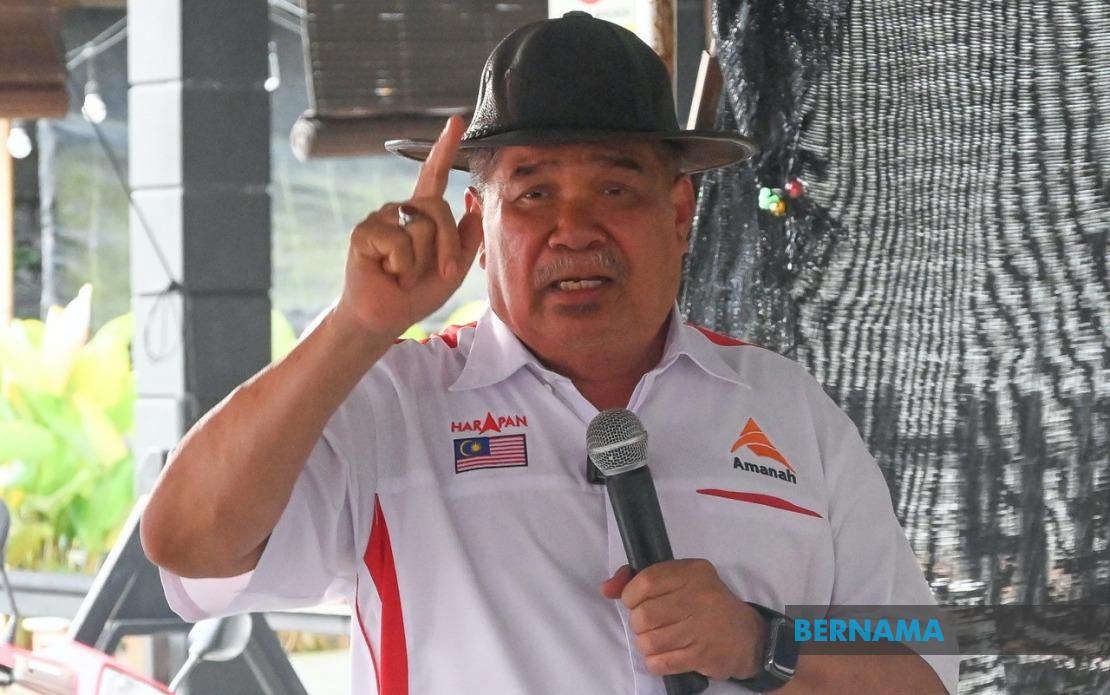
Negotiations between Malaysia and Thailand over the contentious suspension of shrimp imports are in their closing phase, with a settlement anticipated within the next fortnight, according to Agriculture and Food Security Minister Datuk Seri Mohamad Sabu. The minister made the announcement while attending the conclusion of the Road to MAHA 2026 East Coast Zone programme in Kota Bharu on August 8, suggesting that both nations are moving toward resolving a dispute that has tested bilateral trade relations.
The friction over aquaculture trade emerged when Malaysia's ministry of agriculture imposed a temporary ban on five shrimp species originating from Thailand, effective from June 1. The affected varieties are brown tiger shrimp (Penaeus esculentus), banana shrimp (Fenneropenaeus merguiensis), white shrimp (Penaeus vannamei), tiger shrimp (Penaeus monodon), and blue shrimp (Penaeus stylirostris). This targeted action represented a deliberate tightening of Malaysia's regulatory framework surrounding fishery product imports from its northern neighbour, reflecting heightened scrutiny over quality assurance and biosecurity protocols.
The suspension highlights an ongoing tension within Southeast Asian trade dynamics, where agricultural protectionism and food safety concerns frequently collide. Malaysia's decision to restrict imports of these economically significant shrimp species signals the government's commitment to implementing stricter controls on foreign fishery products, even when doing so creates friction with important trading partners. Thailand, a regional aquaculture powerhouse, has a substantial economic interest in accessing Malaysian markets, making this bilateral dispute noteworthy for understanding broader regional supply chains and trade governance.
Beyond the immediate shrimp controversy, Mohamad articulated a broader vision for Malaysia's agricultural sector through MAHA 2026, the biennial exhibition scheduled to run from August 28 to September 6. The event will emphasise innovation and technological advancement in farming and food production, with organisers projecting participation from diverse geographical regions including African nations, Central Asian countries, alongside established agricultural powers such as China, Britain, Japan, and the United States. This international dimension reflects Malaysia's strategic pivot toward positioning itself as a hub for agricultural knowledge exchange and modern farming practices within the Asia-Pacific region.
The minister underscored that food security has evolved into a paramount global policy concern, particularly for nations like Malaysia that maintain heavy dependence on imported foodstuffs. Malaysia's substantial food import bill remains a vulnerability in the country's economic landscape, especially given fluctuations in global commodity prices and supply chain disruptions. By hosting MAHA 2026 and emphasising technology-sharing frameworks, the government aims to reduce that vulnerability through domestic innovation and efficiency improvements in local agricultural production.
The Road to MAHA 2026 programme represents a methodical national engagement strategy, with the Kota Bharu event marking the final instalment of a series conducted across multiple states. Earlier iterations were held in Kedah, Selangor, Melaka, and Labuan, demonstrating the government's commitment to bringing the exhibition's narrative and promotional messaging directly to regional constituencies. This grassroots approach seeks to mobilise participation and enthusiasm among local farming communities and agribusinesses ahead of the main event.
Organisers harbour ambitious expectations for MAHA 2026, targeting approximately five million visitor attendances—matching figures from the previous iteration two years earlier. Concurrently, the exhibition aims to generate RM58 million in direct sales and catalyse RM8 billion in prospective investment commitments. These targets reflect confidence that the showcasing of cutting-edge agricultural technology, organisational innovation, and cross-sector collaboration will attract substantial commercial interest from both domestic and international participants.
The timing of MAHA 2026 offers additional promotional advantages, as the event coincides with Malaysia's National Day celebrations, an occasion that typically draws increased visitor numbers and heightened public engagement. This convergence of agricultural exhibition and patriotic observance potentially amplifies the exhibition's reach and cultural resonance among ordinary Malaysians, extending its impact beyond specialised farming and agribusiness constituencies.
Mohamad expressed gratitude to the Kelantan state government, federal and state agencies, and strategic partners whose coordination facilitated the success of the Road to MAHA roadshow. This acknowledgment highlights the multi-stakeholder engagement required to execute national agricultural initiatives, underscoring that food security strategy depends on collaborative effort across governmental tiers and partnership with private-sector organisations.
The projected resolution of the Thailand shrimp import impasse carries implications extending beyond bilateral commerce. A successful negotiation demonstrates that Malaysia and Thailand, despite occasional regulatory tensions, maintain mechanisms for resolving trade disputes through dialogue rather than escalation. For Malaysian consumers, a reopening of Thai shrimp imports would likely stabilise seafood pricing and availability, as Thai aquaculture represents a significant source of supply for regional markets. Meanwhile, the emphasis on domestic agricultural modernisation suggests the government is pursuing a dual-track strategy: managing immediate trade relationships pragmatically whilst simultaneously building long-term domestic production capacity to reduce import dependency.

