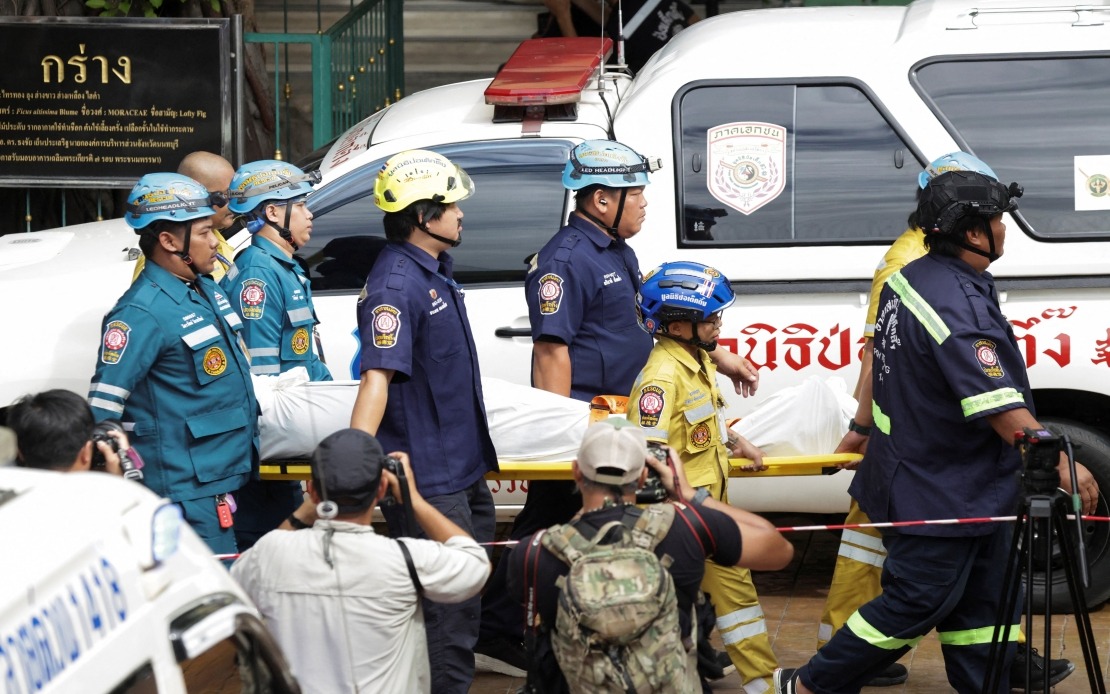
Thai authorities are investigating a horrific sequence of violence in Nonthaburi province on Friday that began with a suspected double homicide and culminated in one of the nation's deadliest recent school shootings. According to Royal Thai Police Deputy Inspector-General Lieutenant General Trairong Piwpan, preliminary findings suggest the student suspect fired 26 rounds before arriving at Debsirin Nonthaburi School, then opened fire inside the institution around 10am, claiming the lives of six people and leaving 15 wounded.
The grim discovery of the suspect's grandparents came during a subsequent police search of the family home in Bang Bua Thong district. Investigators found the bodies of both the grandfather and grandmother inside, each bearing fatal gunshot wounds to the head. While police believe the killings at the residence occurred before the school attack, the precise chronology and exact timing of events remain under active investigation as authorities work to piece together the movements and motivations behind the violence.
Among the dead at Debsirin Nonthaburi School were three educators and three pupils, marking a devastating loss for the institution and the wider community. The discovery of a 9mm handgun and 34 additional rounds of ammunition outside the weapon's magazine at the scene underscores the lethal capacity and preparation evident in the attack. These details suggest a deliberate act rather than a spontaneous incident, raising critical questions about warning signs, access to firearms, and the circumstances that preceded the violence.
For regional readers, the incident carries troubling parallels to school violence patterns documented across Southeast Asia in recent years. Thailand has experienced several such tragedies, each prompting renewed debate about gun control measures, mental health support systems, and school safety protocols. The sequence here—beginning with domestic violence at a residence before escalating to a public attack—presents particular challenges for prevention and intervention strategies that law enforcement agencies across the region grapple with.
Lieutenant General Trairong indicated that investigators are pursuing multiple investigative threads simultaneously, including establishing a clear motive for the alleged perpetrator's actions. The student's relationship with the victims at both locations, any history of concerning behaviour, access to firearms, and potential psychological factors all form part of the emerging inquiry. Thai authorities must determine whether the crimes were impulsive or premeditated, information that carries implications for understanding and potentially preventing similar incidents.
The 15 individuals who sustained injuries during the school shooting vary in the severity of their wounds, and their recovery and psychological trauma will extend the impact of Friday's violence well beyond the immediate casualty count. Schools worldwide face increasing scrutiny regarding preparedness for such emergencies, and Thai educational institutions are no exception. The incident will likely prompt reviews of security measures, emergency response protocols, and staff training at schools across Nonthaburi and potentially nationwide.
The confirmed death of the suspected gunman at the school scene adds another layer of complexity to the investigation. Whether the suspect died by his own hand or was killed by responding officers remains part of the ongoing inquiry. This detail has significant implications for understanding the incident's trajectory and whether survivors, witnesses, or responding personnel were involved in the final confrontation.
Gun violence in Thailand, while less frequent than in some countries, carries considerable weight in national discourse when incidents occur. The country maintains strict firearms regulations, yet such shootings periodically expose gaps in implementation or enforcement. The presence of a 9mm handgun in the hands of a student raises immediate questions about how the weapon was obtained and whether legal safeguards functioned as intended.
For Malaysia and other ASEAN nations monitoring Thai developments, this incident serves as a reminder of shared challenges in managing public safety while respecting civil liberties. The psychological and sociological factors driving individuals toward such violence transcend borders, as do questions about early intervention, access to mental health services, and community awareness of concerning behavioural changes. Regional law enforcement agencies frequently exchange information and best practices regarding prevention strategies.
The investigation into the Nonthaburi school shooting will likely consume considerable police and judicial resources over coming weeks and months. Beyond the immediate criminal investigation, Thai authorities will face pressure to conduct comprehensive reviews of how such violence could occur and what systemic changes might prevent recurrence. Families of victims, survivors, school staff, and the broader Nonthaburi community face a long process of mourning and recovery alongside the formal proceedings.
Public shock and concern will persist as details emerge regarding the suspect's background, family circumstances, and any prior indicators of instability. Media coverage and public attention in Thailand and across the region will intensify scrutiny on school security, youth mental health services, and family support systems. The dual nature of this attack—beginning in a domestic setting before expanding to a public institution—underscores how individual crises can rapidly escalate into community tragedies with ripple effects extending far beyond the immediate victims and their families.

