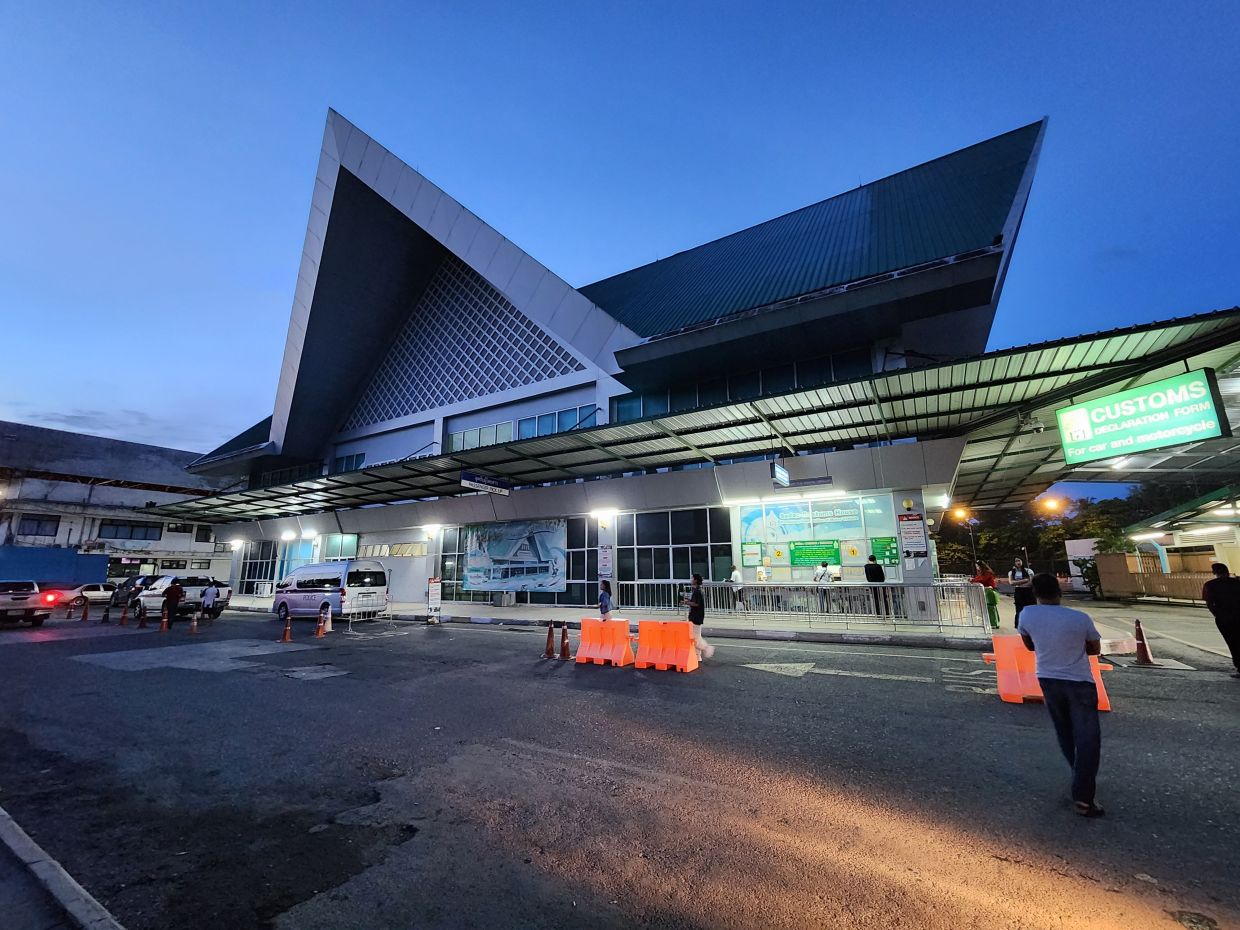
Thailand's government has taken a significant step toward deepening regional integration by approving the establishment of a new permanent border checkpoint at Sadao, which will commence operations on July 11. The decision, announced by cabinet on Tuesday, reflects Bangkok's strategic commitment to removing logistical barriers that have historically constrained cross-border commerce with Malaysia. Located between boundary markers 23/9 and 23/10, the relocated checkpoint supersedes the existing facility positioned at markers 22-23, offering what officials characterise as a more efficient gateway for the movement of goods, services, and people across one of Southeast Asia's most travelled land borders.
The operational framework reflects careful planning to maximise accessibility while maintaining security protocols. The checkpoint will function daily between 05:00 and 23:00, providing a substantially extended window compared to many existing regional crossings and accommodating the varied schedules of commercial operators, commuters, and leisure travellers. This extended timeframe addresses a long-standing complaint from transport operators who have argued that restrictive hours create unnecessary delays and increase costs for time-sensitive shipments. For Malaysian businesses engaged in regional supply chains, the longer operational window could translate into faster turnaround times and reduced warehousing expenses associated with border delays.
Thai authorities have committed to comprehensive infrastructure development on their side of the checkpoint to ensure the facility functions smoothly upon launch. Government spokesperson Ratchada Thanadirek outlined that relevant agencies have been directed to accelerate construction of connecting road networks and eliminate traffic congestion points that currently plague the crossing. The Songkhla province, in which the checkpoint is situated, will oversee implementation progress. Additionally, shuttle services are being arranged to facilitate passenger movement, a feature that could prove particularly valuable for regional tourism and business travel during peak periods.
Beyond physical infrastructure, Thailand recognises the importance of information dissemination and stakeholder buy-in. Officials have been tasked with educating the private sector, commercial operators, and local communities about routing options, customs procedures, and immigration requirements. This communication strategy acknowledges that successful border facilitation depends not merely on physical upgrades but on reducing uncertainty and building confidence among users regarding how the new system functions. Clear information channels can significantly reduce processing times by ensuring travellers and traders arrive properly documented and aware of procedural requirements.
The timing of this border initiative carries diplomatic significance. The cabinet simultaneously endorsed a draft joint statement intended to guide Thai Prime Minister Anutin Charnvirakul's official visit to Malaysia on July 9-10, scheduled just days before the checkpoint opens. This sequencing allows both governments to demonstrate concrete commitment to bilateral cooperation, with the border opening serving as a tangible manifestation of the development agenda discussed during high-level talks. For Malaysia's government under Prime Minister Anwar Ibrahim, the expansion of cross-border infrastructure aligns with efforts to position the nation as a regional economic hub and a destination for both business and tourism.
The bilateral statement being drafted encompasses several cooperation pillars beyond border development. Connectivity initiatives aim to improve transportation networks linking the two countries, reflecting recognition that seamless movement of goods and people requires coordination across multiple infrastructure layers. Security cooperation against transnational crime represents another priority, acknowledging shared vulnerabilities to smuggling, trafficking, and other cross-border criminal activity. Both nations face common challenges in controlling illicit flows while facilitating legitimate commerce, a balancing act that demands sophisticated coordination and modern checkpoint capabilities.
Economic partnership provisions within the statement emphasise food and energy security, sectors where Thailand and Malaysia possess complementary strengths and mutual interests. Thailand's agricultural output and energy resources, combined with Malaysia's processing capabilities and downstream expertise, create opportunities for deepened value chains. Enhanced border crossing facilities directly support such integration by reducing transaction costs and improving supply chain reliability. For Malaysian food processors and energy companies, improved access to Thai agricultural inputs and energy supplies could strengthen competitive positioning both regionally and globally.
The broader context for this initiative reflects shifting geopolitical and economic dynamics in Southeast Asia. As regional nations grapple with rising intra-ASEAN trade and investment flows, border infrastructure has become a critical bottleneck. Thailand and Malaysia, as neighbouring ASEAN members with significant bilateral commerce, recognise that outdated or congested crossing points undermine their capacity to compete for investment and capture growing regional demand. The Sadao checkpoint upgrade therefore represents not merely bilateral accommodation but participation in the region's broader infrastructure modernisation imperative.
For Malaysian stakeholders, the checkpoint's opening promises tangible operational benefits. Traders operating across the border will encounter predictable procedures and extended access windows, reducing inventory carrying costs and improving cash flow management. Tourism operators can facilitate smoother cross-border journeys, potentially encouraging longer regional itineraries that encompass both countries. Logistical companies may discover opportunities to optimise routing and consolidation strategies given the improved crossing capacity. However, realising these benefits requires not only Thai infrastructure investment but also coordinated Malaysian customs and immigration preparedness to match enhanced Thai procedures.
The checkpoint expansion also carries implications for smaller cross-border communities dependent on trade and tourism flows. Local vendors, accommodation providers, and transport operators in border regions typically experience direct economic effects from crossing facility improvements. Enhanced efficiency can increase transaction volumes and frequency, expanding economic opportunities for micro and small enterprises serving cross-border traffic. Conversely, improved formal crossing procedures may reduce opportunities for informal or grey-market trading that currently occurs in some border areas.
Longer-term strategic considerations suggest this checkpoint opening may presage further bilateral infrastructure initiatives. As the two governments demonstrate successful collaboration on border facilitation, opportunities emerge for expanded cooperation on ports, rail links, and air connectivity. The ASEAN Connectivity Master Plan envisions deeper integration across the region, and projects like the Sadao checkpoint upgrade represent incremental progress toward that vision. Thailand and Malaysia's willingness to invest in cross-border infrastructure signals their commitment to the broader regional integration agenda while addressing immediate commercial and tourism concerns.
Sustainability of these improvements depends on ongoing commitment from both governments and the private sector's constructive engagement. Periodic reviews of checkpoint operations, responsiveness to emerging bottlenecks, and willingness to adjust procedures based on user feedback will determine whether the facility achieves its potential. Moreover, coordination between Thailand and Malaysia on regulatory harmonisation—particularly in customs standards and safety requirements—can further reduce friction costs inherent in cross-border transactions. The checkpoint opening thus represents not a destination but a beginning point for deeper regional integration work.

