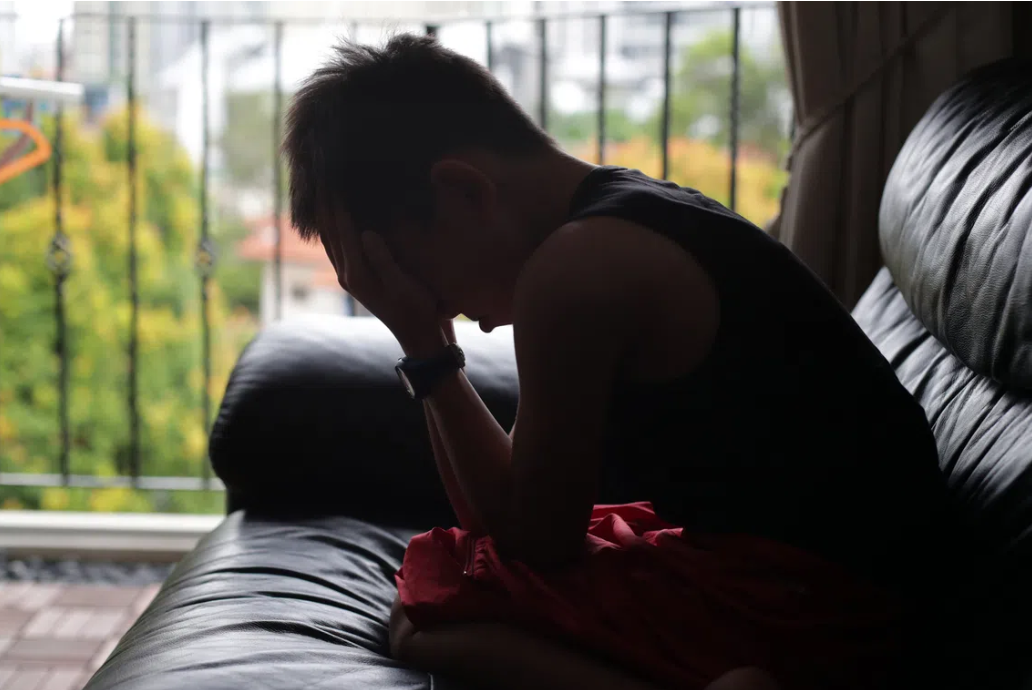
Thailand faces mounting pressure to confront a persistent culture of school bullying following the August 7 shooting at Debsirin Nonthaburi School, where a 14-year-old student opened fire and killed nine people including himself. The tragedy has thrust the issue into sharp public focus, prompting the government to announce a raft of protective measures. Yet educators, counsellors, and administrators acknowledge that legislative action and institutional protocols alone may prove insufficient to dismantle bullying practices deeply woven into Thailand's social fabric and educational traditions.
The prevalence of bullying within Thai schools is staggering. A government survey conducted in September 2025 revealed that nearly two-thirds of 42,000 young people aged six to 25 have endured some form of bullying. Teasing centred on personal attributes—names, family background, or parental circumstances—emerged as the most widespread category. Physical violence represents a severe subset, with roughly 28 per cent of respondents reporting kicks, punches, and other forms of bodily harm. Schools themselves constitute the primary setting for such incidents, cited by 83 per cent of those surveyed. The scale of the problem demands urgent action, yet its roots run deep within institutional and societal structures that have long normalised such behaviour.
Surasit Nok-Ouam, now 20 years old, carries vivid recollections of his own ordeal spanning roughly four years from kindergarten into primary school. His experience encompassed both verbal humiliation and physical assault. Introverted by nature, he became an accessible target for tormentors who exploited his quiet demeanour. Bathroom visits became ordeals; classmates would pursue him into stalls, hurl water, and subject him to verbal abuse. During physical education sessions, bullies publicly humiliated him by yanking down his clothing before peers. The cruelty extended beyond momentary incidents—each retaliation attempt only amplified the entertainment value for his harassers, transforming his distress into sport. Surasit's narrative illustrates how bullying erodes not merely dignity but fundamental security and psychological wellbeing.
Prieo To-uam, a freelance counsellor with four years of professional experience, observes escalating demand for mental health support among adolescents throughout the past year. She encounters bullying narratives across her client base regardless of whether young people attend traditional Thai schools or international institutions. What begins as ostensibly playful banter frequently spirals into systematic harassment that clients struggle to classify as genuinely harmful. Victims frequently internalise culpability, questioning whether their own hypersensitivity inflates ordinary adolescent dynamics into traumatic experiences. This psychological conflation complicates early intervention and enables bullying to intensify unchecked.
The mental and physical consequences for victims are profound and measurable. Survey data indicates that at least one in four bullying victims have contemplated self-harm. Depression, accumulated grievance, and festering anger characterise the psychological aftermath. Chinun Boonroungrut, a psychology lecturer at Silpakorn University, emphasises that whilst bullying creates demonstrable psychological injury, it does not inevitably precipitate extreme violence or catastrophic school incidents. Nevertheless, the existence of even a statistical fraction of cases progressing toward lethal outcomes renders complacency untenable.
Critically, identifying whether bullying directly motivated the Debsirin shooting remains under police investigation. The alleged perpetrator—described as a quiet adolescent raised by grandparents—possessed characteristics consistent with classic bullying victim profiles. However, multiple contributing factors including exposure to violent digital content and intense academic pressure complicate any monocausal explanation. Aranee Vivatthanaporn, a criminology lecturer at Rangsit University, cautions against conflating increased visibility with increased incidence. She notes that social media amplification creates an optical illusion of rising bullying prevalence; incidents previously confined to schoolyard whispers now circulate instantaneously across digital networks. A July 21 incident at St Gabriel's College—one of Thailand's most prestigious private schools—exemplifies this phenomenon, with video documentation of two students beating a younger peer capturing national attention precisely because technology enables mass witnessing of previously invisible violence.
Thailand's Education Ministry has responded by announcing comprehensive reforms scheduled for implementation by early November. These include formal zero-tolerance bullying policies, enhanced weapon detection systems, and structured referral pathways for students exhibiting warning signs. The proposed Student and School Safety Act commits to systematic mental health monitoring and post-traumatic stress disorder screening. These institutional responses address mechanisms and procedures—the architecture of prevention and response. What remains substantially more challenging is confronting the cultural underpinnings enabling bullying to flourish.
The concept of kreng jai—a Thai cultural value emphasising deference, considerateness, and social harmony at the expense of individual assertion—fundamentally shapes how adolescents respond to mistreatment. Rather than reporting or resisting bullying, victims frequently suppress emotional distress to preserve group cohesion and avoid creating interpersonal friction. This cultural conditioning creates a paradox: the very values prized within Thai society actively inhibit disclosure of suffering. Prieo To-uam identifies this pattern repeatedly within her counselling practice. Victims internalise negative experiences and silence their pain, allowing psychological crises to compound invisibly until sudden, catastrophic expression becomes the sole outlet for accumulated trauma. Breaking this cycle requires not merely policy revision but fundamental recalibration of cultural expectations around emotional expression, individual advocacy, and reporting obligations.
Parental disengagement or insufficient family support amplifies victim vulnerability. Adolescents lacking trusted adult confidants remain isolated within their psychological distress. Some families discount bullying as inevitable boyish roughhousing or view victims' inability to physically retaliate as personal weakness warranting shame rather than protection. The intersection of inadequate parental involvement, cultural prioritisation of harmony, and school environments normalising physical and verbal aggression creates compounding layers of isolation for vulnerable youth.
Thailand's policymakers now confront a multifaceted challenge extending far beyond administrative reform. Institutional safety protocols address the mechanics of prevention, but sustainable change demands broader cultural reassessment regarding masculinity, emotional expression, and the relationship between individual wellbeing and collective harmony. Educational campaigns must reframe reporting bullying as courageous and responsible rather than divisive. Parent education initiatives should establish that protecting children from systematic abuse supersedes abstract commitments to social deference. School leadership requires training in recognising and intervening during bullying's early stages before victims descend into crisis.
For Malaysian and Southeast Asian observers, Thailand's struggle illuminates shared regional dynamics. Societies throughout the region grapple with similar cultural frameworks emphasising respect for hierarchy, conflict avoidance, and public composure. Bullying frequently operates within these value systems precisely because victims internalise their suffering as personal responsibility rather than systemic failure. While Thailand moves to implement structural safeguards, the deeper pedagogical shift—redefining cultural expectations to accommodate individual protection and emotional authenticity—represents the generational work ahead. Whether Thailand's institutional reforms prove adequate depends ultimately on whether society's adults can fundamentally reimagine how younger generations navigate dignity, safety, and belonging within schools and communities.

