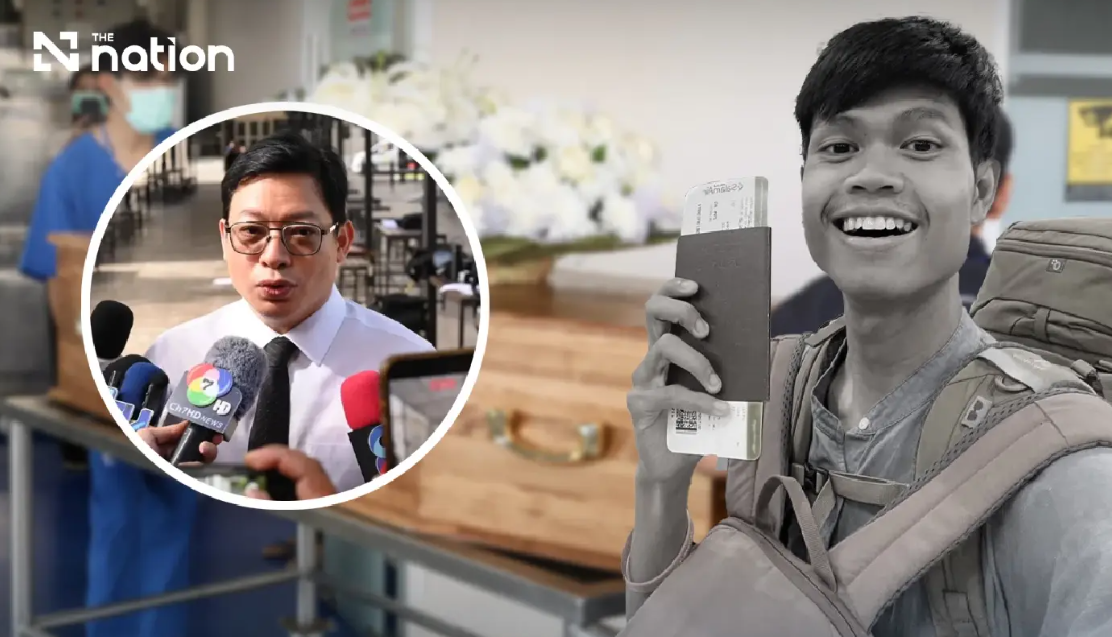
The death of Thai travel vlogger Bawornthat "Hlun Solo" Pengsuk appears to have resulted from cardiac and circulatory failure, according to preliminary post-mortem findings released by Thailand's Central Institute of Forensic Science. However, forensic authorities have stopped short of ruling out the involvement of toxins or chemical substances, with comprehensive laboratory testing still underway. The vlogger's body was repatriated from Georgia, where he died under circumstances that have prompted his family to seek thorough investigation through Thai medical channels.
Associate Professor Dr Worawee Waiyawut, serving as deputy director of the Central Institute of Forensic Science under the Ministry of Justice, presented the initial findings on Thursday (Aug 6) following the body's return and subsequent examination. The preliminary assessment centred on dysfunction of the heart and related circulatory mechanisms as the primary indicator. Importantly, Dr Worawee emphasised that this conclusion remained preliminary, with significant investigative work continuing through laboratory analysis of cardiac tissue and investigation of potential genetic factors.
The autopsy conducted in Georgia, followed by the Thai examination, revealed no evidence of physical trauma, bruising, signs of assault, or skeletal injuries. All other organs appeared normal apart from the heart itself. Georgian medical professionals had already conducted extensive examinations before the body's repatriation, and Thai doctors reviewed their findings with the family before obtaining permission to release the preliminary information publicly. This level of transparency represents an attempt to address family concerns about the circumstances surrounding the death.
The family's decision to request an independent Thai post-mortem examination underscores their dissatisfaction with information provided by Georgian authorities. Somsak "Mos" Butsri, Hlun's elder brother speaking as family representative, articulated the family's frustration that Georgian officials had not disclosed detailed findings from their post-mortem procedures or chemical testing. The family received only a death certificate without specific cause of death notation, and learned that organ samples and DNA had been retained without clear understanding of what testing would be performed on those materials.
Toxicology remains the family's primary concern. Somsak emphasised that the family specifically requested comprehensive testing for toxic substances, alongside detailed cardiac examination and investigation of alternative death causes. This focus on toxins suggests the family harbours concerns that something more than natural cardiac failure may have contributed to the vlogger's death. Once Thai laboratory results become available, the family intends to compare findings from both the Georgian and Thai examinations, with particular attention to toxicological data that might reveal inconsistencies or previously undetected substances.
The investigation into potential sudden unexplained death during sleep—a phenomenon sometimes abbreviated as SUDES—cannot be confirmed without further laboratory work, Dr Worawee explained. Such determination requires specific cardiac tissue analysis and investigation of genetic predispositions. Somsak noted that reports circulating about this cause of death remain unconfirmed and unsupported by official test results. The family also acknowledged uncertainty about whether Hlun harboured any underlying health conditions, as the vlogger did not routinely discuss medical matters with relatives.
The investigation process will extend over coming weeks as Thai and Georgian authorities coordinate information sharing. The Ministry of Justice has committed to obtaining comprehensive records from Georgia, including full post-mortem examination details and results of chemical testing already conducted. However, such international coordination typically requires time to navigate bureaucratic procedures and ensure proper documentation transfer. The Thai forensic team anticipates completing its initial examination procedures by Friday (Aug 7), with more detailed findings emerging as laboratory results accumulate.
The prospect of discovered evidence regarding physical assault or assault-related injury would trigger formal legal action, according to Somsak's statement. The family has indicated willingness to exercise its legal rights and pursue justice should such evidence emerge. This contingency reflects the family's openness to multiple investigative pathways and their commitment to understanding the full circumstances of Hlun's death. Additionally, the family noted that none of Hlun's personal belongings apart from his passport were returned with his body, which may prompt separate inquiries about the handling of his effects in Georgia.
For Malaysian and Southeast Asian observers, this case highlights the complexities that arise when citizens die abroad and families seek answers across jurisdictional boundaries. The case demonstrates the importance of families requesting independent verification when preliminary findings from foreign authorities seem incomplete. Thai citizens working internationally or travelling extensively should consider maintaining medical records accessible to family members, and maintaining regular health communication with relatives who could alert authorities to any unusual symptoms or health concerns. The vlogger's prominence as a travel content creator means his case has attracted significant public attention throughout Thailand, with many citizens following developments closely.
The family's statement expressing gratitude for public support in bringing Hlun home acknowledges the emotional dimensions of the case beyond forensic investigation. His elderly grandmother requested simply that he be brought back to Kalasin, his home province, for traditional funeral rites. The family anticipated completing the post-mortem process and returning the body to Kalasin for ceremonial funeral preparations, with cremation arrangements to be determined later. This transition from forensic investigation to funeral observance represents the family's attempt to achieve closure while simultaneously pursuing answers about their son's unexplained death abroad.

