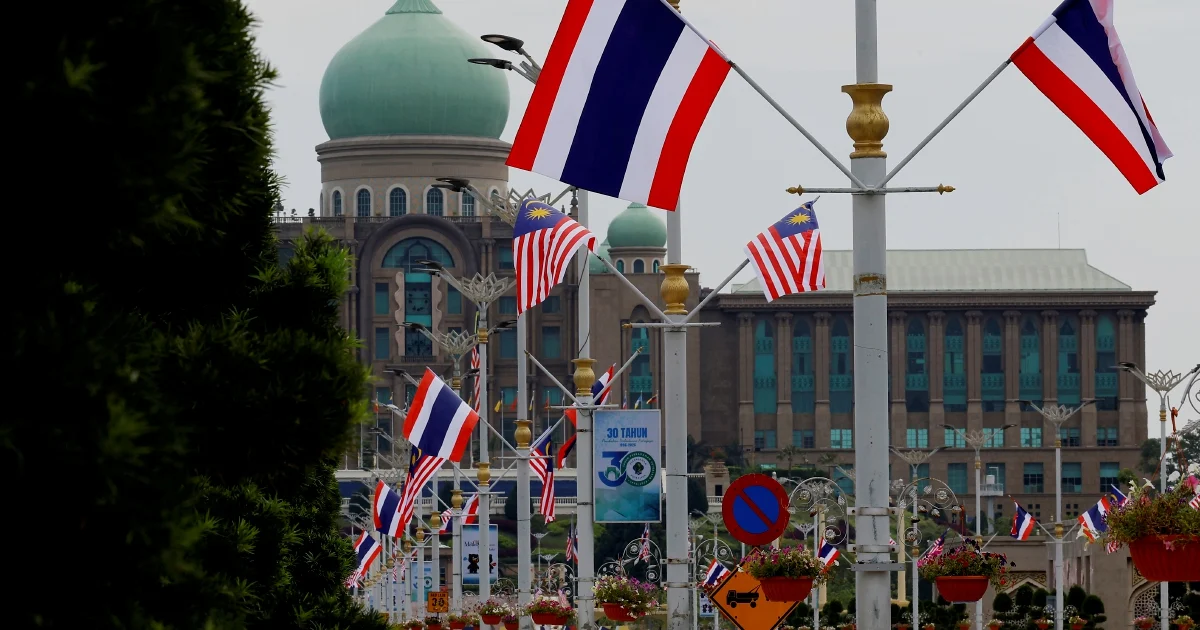
Thai Prime Minister Anutin Charnvirakul is arriving in Malaysia this Thursday for a two-day official visit designed to deepen bilateral ties and advance shared priorities in border infrastructure development and agricultural cooperation. The visit represents an important diplomatic engagement between Bangkok and Kuala Lumpur at a time when both nations are seeking to strengthen economic linkages and facilitate smoother cross-border movement of goods and people.
One of the centrepieces of the Thai leader's visit will be the official inauguration of a new border road connecting the two countries. This infrastructure project carries substantial significance for Southeast Asian regional integration, as improved transport corridors between Thailand and Malaysia can substantially reduce logistics costs and transit times for businesses operating across the boundary. Malaysian Prime Minister Anwar Ibrahim is expected to participate in the road inauguration ceremony, underscoring the political importance both governments attach to this development.
The focus on border connectivity reflects broader regional trends toward enhancing transportation networks within Southeast Asia. For Malaysia, particularly the northern states adjacent to Thailand such as Kedah and Perlis, improved road infrastructure opens avenues for increased trade, tourism, and investment flows. Thai businesses seeking access to Malaysian and broader ASEAN markets find direct, efficient border crossings essential for their commercial operations. Similarly, Malaysian exporters benefit from smoother pathways into Thailand's economy and onward to wider Indochinese markets.
Beyond infrastructure, agricultural cooperation between the two nations forms another pillar of the visit's agenda. Thailand and Malaysia possess complementary agricultural sectors, with opportunities spanning commodity trade, value-added processing, and technology transfer. Thai agricultural expertise in rice production, rubber, and tropical fruits aligns with Malaysian strengths in palm oil, aquaculture, and specialty crops. Enhanced cooperation in this domain could contribute to food security across Southeast Asia while generating economic benefits for farming communities on both sides of the border.
The bilateral relationship has historically been shaped by shared interests in regional stability and economic prosperity. Thailand's strategic location as a land bridge between South Asia and Southeast Asia, combined with Malaysia's role as a maritime trading hub, creates natural complementarities that official visits like this one seek to activate. Both nations are ASEAN members committed to the regional bloc's integration agenda, though deepening direct bilateral relations remains equally important.
Anwar's participation in the visit demonstrates Malaysia's commitment to neighbourhood diplomacy. The Prime Minister has consistently emphasised the importance of strengthening ties with immediate neighbours and fostering regional cohesion. A successful visit by the Thai Premier can signal to investors and trading partners that the Malaysia-Thailand corridor is a reliable, well-maintained economic gateway warranting investment and confidence.
For Malaysian traders and farmers, the visit's emphasis on agricultural cooperation holds particular relevance. As climate change pressures increase across the region and global supply chains face disruption, diversifying agricultural partnerships becomes strategically important. Joint ventures in crop production, livestock raising, or food processing between Malaysian and Thai entities could enhance resilience and create employment across rural communities. Technology sharing in sustainable farming practices could also improve productivity and environmental stewardship.
The timing of this visit occurs within a broader context of ASEAN engagement and regional geopolitical considerations. As larger powers vie for influence in Southeast Asia, strengthened ties between ASEAN members themselves reinforce the region's autonomy and bargaining power. High-level visits like Anutin's underline that ASEAN states prioritise relationships with one another and are actively working to deepen integration from within the bloc.
From a transport and logistics perspective, Malaysian port operators and freight forwarders stand to benefit substantially from improved border infrastructure. Companies utilising land routes through Thailand to reach Laos, Cambodia, and Vietnam will find operations more efficient and cost-effective. This enhanced connectivity potentially positions Malaysia as a preferred logistics hub for goods moving between South Asia and Southeast Asia, strengthening the country's regional economic standing.
The visit also provides an opportunity to address any outstanding bilateral concerns or disputes that may have accumulated since the previous high-level engagement. Regular official visits at the Prime Minister level serve to refresh diplomatic channels, clarify positions on contentious issues, and build personal relationships that facilitate smoother relations at all levels of government. Such interactions often produce agreements on technical cooperation that might otherwise take much longer to negotiate through standard diplomatic channels.
Looking ahead, the success of this visit could establish momentum for further Malaysian-Thai cooperation initiatives. Future discussions might encompass energy cooperation, particularly given both nations' interests in renewable and conventional energy sources, as well as security matters including border management and transnational crime prevention. Educational and cultural exchanges could also expand, fostering people-to-people connections that strengthen long-term bilateral understanding.
For Malaysian businesses monitoring regional developments, Anutin's visit signals that the bilateral environment remains conducive to Thai investment and partnerships. Companies from Chiang Mai to Hat Yai looking to establish or expand operations in Malaysia may view improved government relations as a positive indicator for their expansion plans. Conversely, Malaysian enterprises eyeing the Thai market can draw encouragement from official-level commitment to facilitating cross-border business activities.

