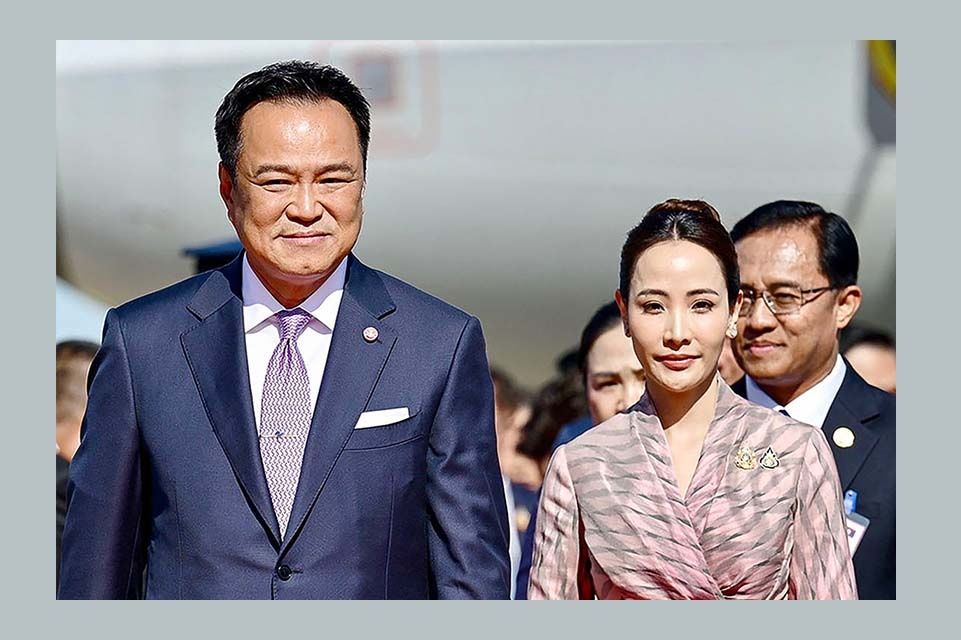
Thai Prime Minister Anutin Charnvirakul is set to arrive in Malaysia for a two-day official visit beginning July 9, marking a significant diplomatic engagement timed to coincide with the inauguration of a modernised border crossing that promises to reshape logistics and commerce along one of Southeast Asia's busiest frontier routes. The visit, extended at the invitation of Malaysian Prime Minister Datuk Seri Anwar Ibrahim, underscores the strategic importance both nations place on strengthening ties as they approach a milestone in their relationship. The new permanent Sadao border checkpoint, scheduled to begin operations on July 11, represents a substantial infrastructure investment aimed at addressing longstanding bottlenecks that have constrained the movement of goods and people between the two countries.
The timing of Anutin's visit carries symbolic weight beyond immediate bilateral concerns. Government spokesperson Ratchada Thanadirek characterised the trip as a demonstration of mutual commitment to advancing cooperation and achieving tangible results ahead of the 70th anniversary of Thai-Malaysian diplomatic relations in 2027. This forward-looking framing suggests that senior leadership in Bangkok sees the border checkpoint project not merely as a logistics improvement but as emblematic of a broader vision for deepened regional integration. The visit will represent Anutin's third journey to Malaysia since taking office as prime minister, indicating a pattern of engagement that reflects the priority placed on this relationship in Thai foreign policy.
Thailand's Cabinet formally approved the opening of the new Sadao checkpoint on Tuesday, enabling a transition away from the existing crossing that has served the region for decades but increasingly struggled to accommodate growing traffic volumes. The new facility will operate daily between 5 am and 11 pm Thailand time under a Ministry of Interior notification, establishing standardised operating hours that should provide predictability for businesses and travellers accustomed to variable conditions at the previous checkpoint. This structured approach represents a significant departure from informal border management practices that have long characterised some Southeast Asian crossings.
The new Sadao Customs, Immigration and Quarantine Complex, located in Songkhla province, will be directly integrated with Malaysia's Bukit Kayu Hitam checkpoint across the border in Kedah. This seamless architectural connection, facilitated by coordinated border management infrastructure, is expected to substantially reduce processing times and administrative friction that currently plague cross-border movements. The alignment of inspection protocols and document processing between Thailand and Malaysia at this specific crossing point could serve as a model for other bilateral border arrangements throughout the region, particularly as ASEAN nations pursue deeper economic integration.
Beyond the checkpoint structure itself, Thai authorities have recognised that successful border facilitation requires comprehensive supporting measures. The Cabinet has instructed relevant agencies to accelerate construction of connecting roads on the Thai side to improve traffic flow approaching the new facility. These infrastructure enhancements acknowledge that a modern checkpoint serves limited purpose if vehicles become gridlocked on approaches, a problem that has plagued several border crossings throughout the region. Simultaneously, authorities have been directed to implement measures specifically targeting congestion mitigation around the checkpoint perimeter and to establish shuttle bus services linking the checkpoint with inland distribution centres and population centres in the Dan Nok border community.
Public awareness campaigns represent another critical component of the transition strategy. Thai officials have been instructed to intensify education efforts targeting both businesses and residents regarding new traffic routes, customs procedures, immigration requirements, and facilitations available for cross-border commerce and tourism. This emphasis on communication reflects lessons learned from previous border infrastructure upgrades that suffered from public confusion and resistance. For Malaysian and Thai citizens regularly crossing this frontier, clear understanding of new procedures and available services will directly impact their ability to move goods and conduct business efficiently.
The economic implications of the new checkpoint extend far beyond border communities. Malaysia's Kedah and Thailand's Songkhla provinces are significant agricultural and manufacturing hubs, and reduced border friction directly benefits producers seeking to transport goods to regional markets. The checkpoint upgrade arrives at a moment when supply chain resilience has become a priority for companies seeking alternatives to longer-distance Asian trade routes, particularly those linking ASEAN member states. Enhanced border efficiency could make the Thailand-Malaysia corridor more attractive for companies consolidating distribution networks across Southeast Asia.
Tourism represents another substantial beneficiary of border improvements. The Sadao crossing serves as a gateway for travellers moving between Thailand's southern provinces and Malaysia's northwestern regions, corridors that have historically attracted visitors exploring cultural sites, beaches, and regional heritage. Smoother border procedures and shorter waiting times reduce friction that often discourages casual cross-border tourism, potentially increasing visitor numbers and duration of stay in both countries. This tourism multiplier effect has proven significant at other efficiently managed ASEAN borders.
Anutin's previous visits to Malaysia, including attendance at the October ASEAN Summit in Kuala Lumpur and a November official visit, established a pattern of substantive engagement beyond ceremonial protocol. This consistency suggests that bilateral cooperation extends across multiple policy domains beyond border management, encompassing security cooperation, trade negotiation, and regional diplomacy. The checkpoint inauguration provides a concrete achievement both leaders can highlight to their domestic constituencies, demonstrating tangible progress on infrastructure and economic facilitation.
For Malaysian stakeholders, the new checkpoint offers opportunities to position Kedah and northern regions as more competitive distribution and manufacturing hubs. Reduced border transit times translate to lower logistics costs and faster market access, factors increasingly important as companies reassess supply chain geography. The timing aligns with Malaysia's broader efforts to enhance infrastructure competitiveness and attract foreign investment into northern economic zones. The checkpoint represents not merely a bilateral facility but a strategic asset for regional economic development.

