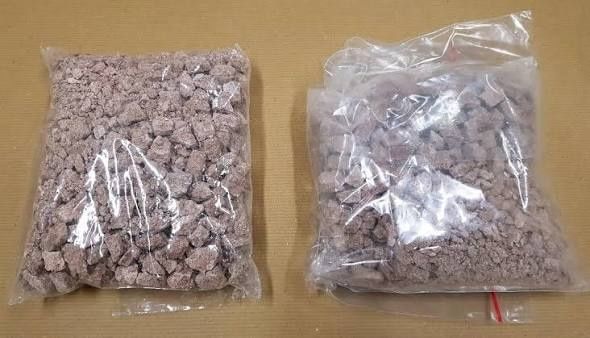
Thai aviation authorities have launched a formal investigation into the circumstances surrounding the detention of a flight attendant at Melbourne Airport, where Australian customs officials uncovered more than one kilogramme of heroin concealed in luggage. The incident has triggered a coordinated response between Thai Airways International, Thailand's aviation regulator, and law enforcement agencies in both nations, signalling the serious nature of the case and its implications for international aviation security.
The Thai national, aged 26, was working aboard an international flight that arrived at Melbourne Airport on Thursday when Australian Border Force officers conducted routine baggage screening. During X-ray examination, officers identified a white powder concealed within the lining of her bags, leading to the discovery of the substantial heroin haul. Australian Federal Police confirmed the seizure on Monday, June 29, initiating formal legal proceedings against the crew member in Australia's jurisdiction.
Thai Airways responded swiftly with a public statement through its social media channels on Monday, committing to determine the complete facts surrounding the case whilst extending full cooperation to relevant law enforcement bodies in both countries. The airline emphasised that it will navigate the matter through established legal frameworks and procedures in Australia, acknowledging the seriousness of drug-related allegations within the aviation sector. This measured response reflects industry-wide awareness of how drug trafficking through airline crews poses significant reputational and security risks to carriers and national aviation systems.
The airline stressed its zero-tolerance stance on narcotics and prohibited substances among all personnel categories, including both flight crew and cabin staff. Thai Airways' policy explicitly prohibits employees from possessing, importing, transporting, or engaging in any activities connected with illegal drugs or controlled substances. The statement made clear that the case represents an individual's personal conduct rather than systemic failure within the organisation's protocols. However, such incidents inevitably raise questions about the adequacy of pre-flight screening procedures and staff vetting mechanisms employed by international carriers operating across diverse jurisdictions.
Beyond the immediate corporate response, Thailand's Civil Aviation Authority has launched its own parallel investigation, coordinating with airport operators and relevant carriers to establish the full factual picture. The CAAT confirmed on Monday that it is reviewing operational procedures and verifying the sequence of events that allowed a crew member to board an aircraft with such a significant quantity of narcotics. This regulatory scrutiny reflects the regulator's mandate to maintain rigorous aviation security standards and protect public confidence in Thailand's civil aviation infrastructure.
The CAAT made particular reference to existing security protocols, confirming that all passenger and baggage screening procedures across Thai airports comply with both domestic regulations and internationally mandated standards established by the International Civil Aviation Organization. The authority distinguished between its responsibilities, which focus on preventing prohibited items from reaching aircraft, and narcotics law enforcement operations, which fall under the purview of dedicated statutory authorities. This demarcation underscores the complexity of addressing drug trafficking across international borders, requiring seamless coordination between aviation security, customs, and law enforcement agencies.
Thailand's aviation regulator indicated that cross-agency cooperation between Thai authorities and their Australian counterparts remains ongoing. The CAAT stated it has engaged with Thai Airways to monitor the development of preliminary investigations and to gather intelligence about how the prohibited substance circumvented existing security measures. This collaborative approach recognises that international air travel creates vulnerabilities that demand constant vigilance and information-sharing between nations, particularly when crew members exploit their privileged access to secure areas of airports and aircraft.
Looking forward, the CAAT signalled its intention to pursue regulatory enforcement actions should the involved personnel be found guilty of the charges. Thai aviation law provides the regulator with powers to impose sanctions, ranging from licence suspension to permanent revocation for individuals convicted of serious drug-related offences. Such actions reinforce the regulatory framework designed to maintain safety standards and public trust in Thailand's civil aviation system. The prospect of administrative penalties running parallel to criminal prosecution in Australia demonstrates how the consequences for crew members extend beyond judicial systems to encompass career-ending professional consequences.
The incident carries broader implications for Southeast Asia's aviation sector at a time when drug trafficking networks increasingly target airline personnel as potential vectors for moving narcotics across borders. Thailand, as a major regional aviation hub hosting numerous international carriers, faces particular vulnerability to such exploitation. The swift institutional response from Thai Airways and the CAAT reflects awareness that permitting lax attitudes towards crew conduct can undermine the security frameworks that protect both aviation systems and public safety.
For Malaysian and regional readers, the case illustrates the interconnected nature of aviation security standards across Southeast Asia. Malaysian carriers operating similar routes and employing diverse international crews must similarly maintain rigorous vetting and monitoring protocols. The incident serves as a reminder that aviation security weaknesses anywhere in the region can create vulnerabilities affecting all nations' airports and airlines. Coordinated enforcement and regulatory action, as demonstrated by Thailand and Australia's response, establishes important precedents for addressing transnational aviation crimes that threaten the integrity of regional air travel infrastructure.

