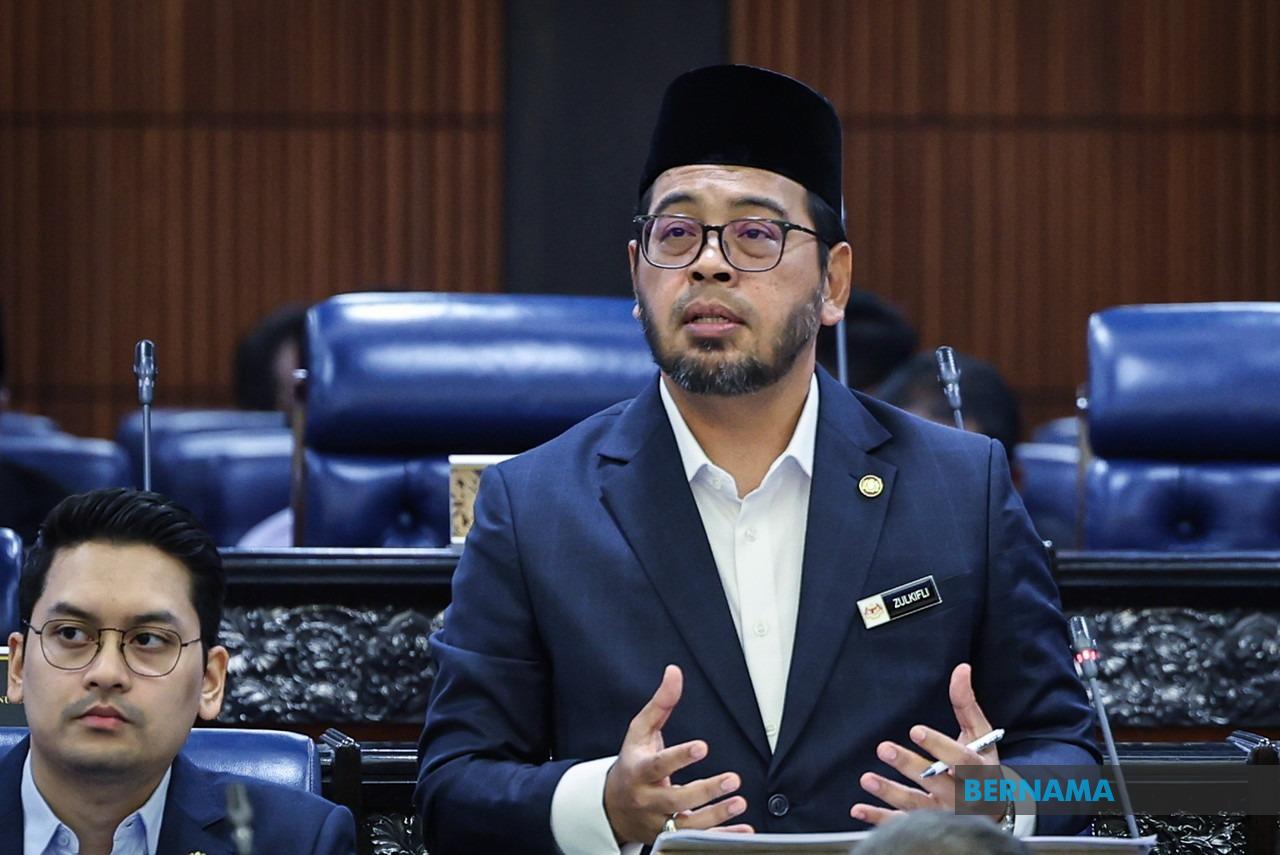
The Malaysian government will introduce significant amendments to the Tabung Haji Act 1995 designed to prevent financial management failures identified in a sweeping Royal Commission of Inquiry, Religious Affairs Minister Dr Zulkifli Hasan announced during a special parliamentary session on August 11. The proposed legal changes will introduce more explicit provisions governing accounting standards and establish concrete penalties for misreporting financial statements, directly addressing systemic weaknesses the RCI uncovered in TH's operations spanning 2014 to 2020.
The RCI's comprehensive 211-page report, made public on July 29 after cabinet approval, exposed serious governance and financial management lapses at the sprawling Islamic pilgrimage fund. Beyond financial reporting deficiencies, the inquiry highlighted concerns about excessive executive compensation, unclear profit distribution methodologies, and board selection processes that lacked rigorous expertise-based criteria. The revelation of these issues prompted parliamentary scrutiny in the special sitting, where ministers defended both past management and the sweeping reforms now underway.
Central to the overhaul is a restructuring of regulatory oversight. A task force comprising the TH chairman, Bank Negara Malaysia governor, and Securities Commission chairman has recommended placing TH's fund management and investment operations under Securities Commission regulation, while reserving pilgrimage administration for the Religious Affairs Ministry. This bifurcated approach seeks to leverage specialised regulatory expertise while preserving TH's institutional identity and religious mandate. The arrangement represents a significant governance departure, signalling recognition that investment management requires the rigorous supervision typically applied to securities markets rather than informal oversight within the religious affairs portfolio.
Executive compensation represents another focal point for reform. The RCI specifically criticised TH's practice of awarding excessively high bonuses to senior staff, a practice that had continued despite the fund's facing significant financial challenges. In response, TH has adopted a more disciplined bonus framework pegged to overall institutional financial performance and individual achievement of key performance indicators. Critically, bonus payments now require approval from both the Religious Affairs and Finance ministries, introducing dual ministerial gatekeeping intended to prevent the discretionary excess that characterised earlier periods.
The transparency of profit distributions to account holders has also been strengthened. Since 2022, TH has announced distribution rates solely on the basis of audited annual financial statements, replacing previous methodologies that permitted greater ambiguity and discretion in calculations. This shift aligns with RCI recommendations to establish clearer, more objective rules governing how surplus funds are allocated to members. Simultaneously, TH's financial statements have achieved full compliance with relevant accounting standards since 2018, a baseline compliance measure now being fortified through explicit statutory provisions.
Board governance faces fundamental reconstruction. The RCI recommended introducing specific eligibility criteria and expertise-based selection procedures for directors, departing from arrangements that sometimes prioritised political connections or personal relationships. Particularly significant is the RCI's recommendation prohibiting serving politicians from holding the chairman or board member roles, a measure implicitly acknowledging that political pressure had influenced governance during the period under review. These structural changes reflect broader international best practice in sovereign fund and religiously-affiliated institution governance.
Dr Zulkifli defended the current state of TH's leadership, asserting that recent appointments have followed "fit and proper" criteria aligned with Bank Negara Malaysia's framework, emphasising integrity, capability and experience rather than political affiliation. He argued that Malaysia possesses sufficient numbers of competent, ethical technocrats capable of leading the institution without compromising religious or national values. This assertion carries particular weight given that TH manages approximately RM100 billion in assets held in trust for nearly 10 million members, making governance quality a matter of profound financial and social consequence.
The broader context of these reforms reflects Malaysia's ongoing reckoning with institutional accountability following multiple high-profile governance failures in preceding years. The decision to publicly release the RCI report itself represented a significant transparency commitment, enabling parliamentary debate and public scrutiny rather than restricting findings to government circulation. This openness contrasts with previous eras when institutional inquiries remained confidential, suggesting a gradual cultural shift toward greater accountability within public institutions and religiously-affiliated entities.
For Malaysian Muslims and TH members specifically, these amendments offer renewed assurance that pilgrimage savings and investment holdings receive protection commensurate with their spiritual and financial significance. The involvement of the Securities Commission introduces a regulatory framework designed to detect fraud, enforce reporting standards, and ensure investment decisions follow prudent risk management principles comparable to those governing commercial investment funds. The explicit prohibition on excessive bonuses addresses a source of member frustration and resource leakage identified through the inquiry process.
The Securities Commission's expanded role also positions TH within Malaysia's broader financial regulatory architecture, enabling cross-agency coordination and information-sharing consistent with international standards for shadow banking oversight and sovereign fund governance. This integration may facilitate TH's access to global best practice guidance on fund management, risk assessment, and investment strategy while subjecting operations to the rigorous examination standards the commission applies to other regulated entities.
Implementing these amendments will require careful parliamentary drafting to preserve TH's unique constitutional status while introducing Securities Commission oversight without creating jurisdictional conflicts. The government has signalled urgency, with Finance Minister II Datuk Seri Amir Hamzah Azizan scheduled to participate in winding up parliamentary debate, suggesting legislative action may follow relatively swiftly. Success in execution will depend on sustained political commitment to institutional reform over the multi-year implementation period typically required for organisational restructuring of this magnitude.
These reforms carry implications extending beyond TH itself, potentially establishing precedents for governance overhauls at other large religious endowments and government-linked investment vehicles. The RCI's findings and subsequent legislative response may prompt comparable scrutiny at other institutions managing member savings or public assets under religious or cultural auspices, creating broader momentum for enhanced corporate governance across Malaysia's sovereign wealth and faith-based fund ecosystem.

