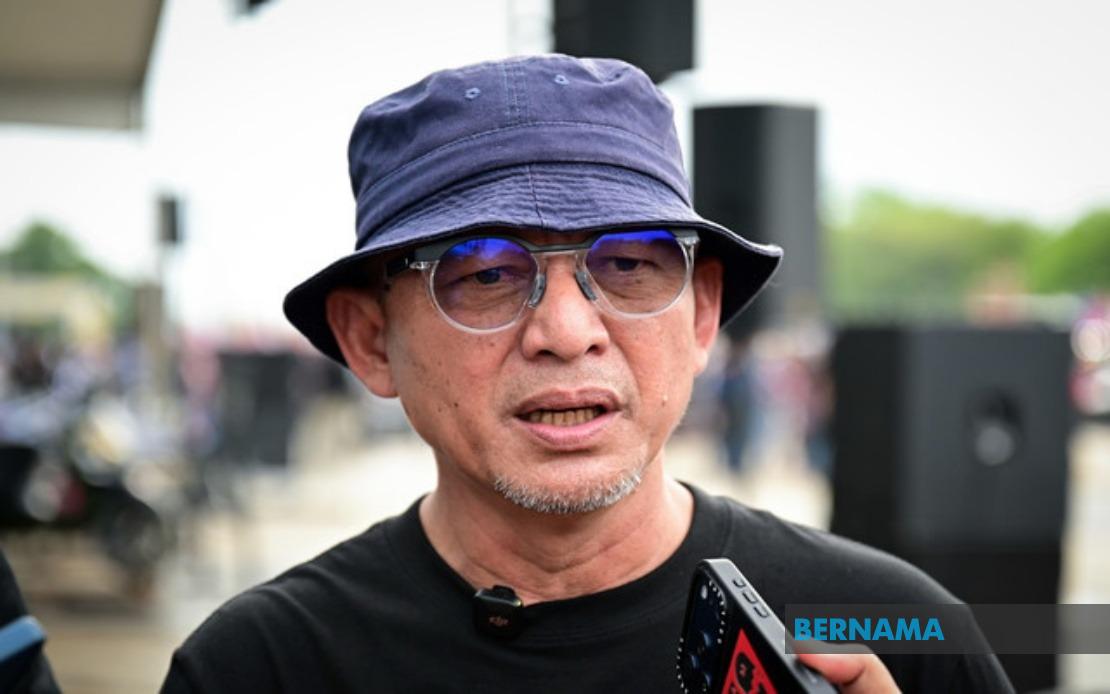
The Terengganu state government has moved to clarify that its freshly launched Visit Truly Terengganu 2027 tourism logo represents a careful balance between modern design sensibilities and strict adherence to Islamic principles, addressing concerns that may have arisen following its unveiling. Speaking after the closing ceremony of the Terengganu Classic Festival 2026 at Dataran Shahbandar, State Tourism Committee chairman Datuk Razali Idris emphasised that the logo's creation involved deliberate consideration of Shariah standards throughout the design process.
The turtle, which has long served as Terengganu's most recognisable tourism emblem, remains at the heart of the new branding. Rather than abandoning this distinctive identity, state authorities sought to evolve it in line with contemporary Islamic guidelines. The creature's significance to the state's tourism narrative—particularly given Terengganu's status as a crucial nesting ground for sea turtles—meant that removing it entirely would have severed an important link to the region's natural heritage and established visitor expectations.
What distinguishes the 2027 design from its 2007 predecessor is a fundamental shift in artistic approach. The earlier version, according to Razali, presented the turtle in a stiff, statue-like manner that lacked visual dynamism. The updated iteration employs vibrant colour palettes and flowing, dynamic shapes intended to convey movement and energy, making the logo more visually engaging for contemporary tourism marketing across multiple platforms and demographics.
Crucially, the turtle has been stylised to avoid depicting full anatomical detail, a decision rooted in Islamic teaching regarding animal imagery. The deliberate abstraction serves a dual purpose: it accommodates Shariah compliance while simultaneously creating a more modern, graphically appealing design that functions effectively across digital and print media. Razali clarified that this consideration extended to practical applications, noting that garments bearing detailed animal figures present complications under Islamic law when worn during prayer—a constraint that informed decisions about merchandise featuring the logo.
The logo's longevity in Terengganu's tourism ecosystem cannot be overstated. It will adorn everything from apparel and promotional materials to souvenirs and signage, making potential religious considerations far more than an abstract concern. Everyday tourist goods bearing the emblem could theoretically end up being worn or possessed by Muslim visitors and residents, necessitating careful alignment with religious norms from the outset rather than courting controversy after launch.
Beyond design philosophy, Terengganu's tourism trajectory suggests the state is capitalising on its natural and cultural attractions with renewed vigour. The just-concluded Terengganu Classic Festival 2026, which showcased more than 500 vintage vehicles spanning motorcycles and automobiles from the 1960s era, attracted close to 10,000 visitors and demonstrates the state's capacity to diversify its tourism offerings beyond beach and marine-based attractions. Such events broaden appeal and extend tourist spending across multiple economic sectors.
The numbers backing Terengganu's tourism ambitions are substantial and encouraging. In the opening quarter of 2027, the state recorded 2.45 million tourist arrivals, encompassing both mainland visitors and those journeying to its renowned resort islands. This performance positions the state government's target of nine million tourists by year's end as achievable rather than aspirational, provided current momentum continues through the remaining months.
Vehicle traffic data offers an additional lens through which to assess visitor flows and economic activity. Toll plaza entries—a crude but reasonably reliable indicator of visitor volume—climbed substantially from 600,000 vehicles in March-April to 829,000 in May before settling at 608,000 in June. While June's dip may reflect seasonal variation or be attributable to specific events or circumstances, the overall trajectory suggests sustained interest in accessing Terengganu's attractions. The state government maintains its own counting methodologies to cross-reference and validate these figures, recognising the importance of accurate data collection for tourism planning and investor confidence.
For Malaysian policymakers and neighbouring Southeast Asian governments, Terengganu's approach to cultural and religious sensitivity in tourism branding offers instructive lessons. The state has navigated the tension between modern commercial design imperatives and conservative religious expectations without abandoning either consideration. Rather than viewing Islamic guidelines as restrictive constraints, Terengganu has positioned them as creative parameters that ultimately strengthened rather than weakened the final product—a mindset increasingly relevant as Islamic tourism sectors expand across the region.
The state government intends to present comprehensive tourist arrival data covering the first six months of the year to the state legislative assembly at its next sitting, providing lawmakers and stakeholders with detailed performance metrics. This transparency supports informed decision-making about tourism infrastructure investment, marketing strategy refinement, and resource allocation across competing priorities.
Terengganu's tourism evolution reflects broader Malaysian trends toward leveraging cultural and religious identity as marketing assets rather than viewing them as operational obstacles. The new logo exemplifies this shift: by conscientiously integrating Islamic principles into a major piece of promotional material, the state underscores its commitment to values-aligned tourism development—an increasingly compelling proposition for visitors seeking authentic experiences rooted in local identity and tradition.

