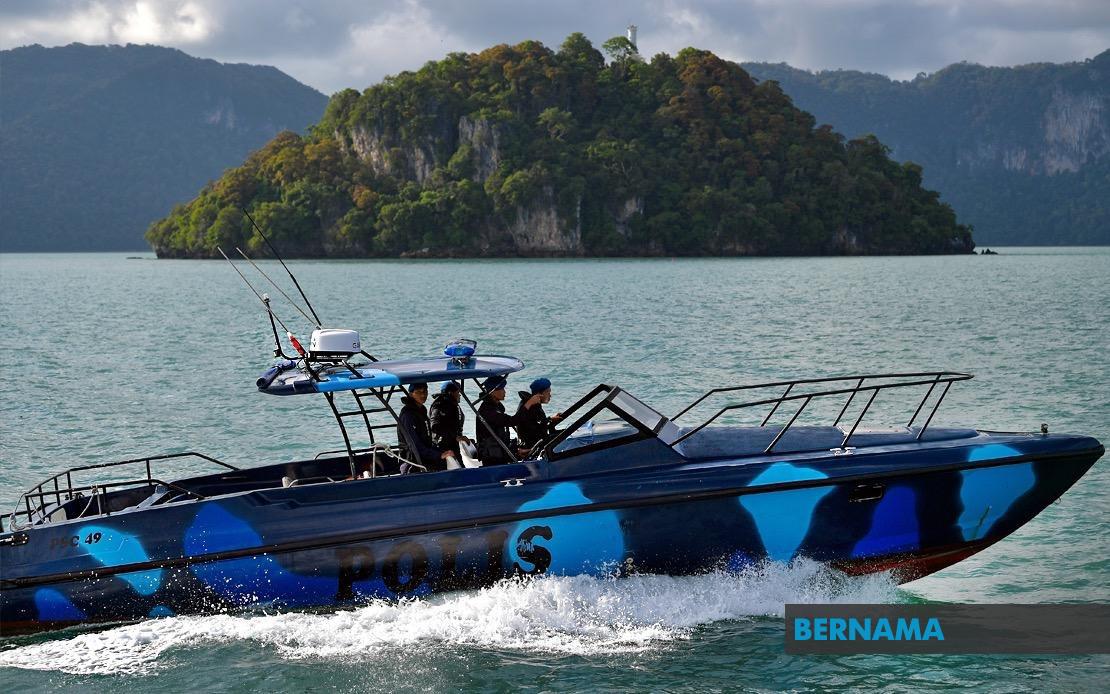
The Terengganu state government has announced plans for a three-day engagement session beginning August 26 to address deteriorating coral reef conditions at Pulau Redang, a marine hotspot that has become synonymous with Malaysia's tourism brand. The meeting will bring together day-trip boat operators, tourism agencies, and relevant government bodies to dissect the root causes of the damage, which authorities suspect stems from vessels anchoring in restricted zones. According to Datuk Razali Idris, chairman of the state's Tourism, Culture, Environment and Climate Change Committee, the gathering represents a critical juncture in balancing the economic interests of the tourism sector against the urgent need for marine conservation.
The decision to hold structured consultations reflects growing concern about enforcement gaps that have allowed environmental degradation to accelerate. Razali characterised the engagement as more than a dialogue platform, emphasising that it will serve as a prelude to decisive regulatory action against operators discovered to have breached established protocols. This signals a departure from previous approaches that may have treated violations with relative leniency, suggesting the state is prepared to shift toward stricter accountability. The three-day format allows for comprehensive examination of existing weaknesses in monitoring and compliance mechanisms, particularly regarding day-trip vessels that operate within Pulau Redang's waters.
Coral reef ecosystems are among the most biodiverse yet fragile environments on Earth, and their degradation carries cascading ecological consequences. Pulau Redang's reefs have taken decades, or in some cases centuries, to develop their current structure and species diversity. When vessels anchor improperly or in prohibited zones, anchors can drag across the seafloor, fracturing coral colonies and destabilising the substrate that supports reef communities. For a state heavily dependent on marine tourism revenue, this deterioration poses a paradox: short-term commercial gains from increased boat traffic translate into long-term asset depletion that threatens the industry's sustainability. Razali's public acknowledgement of this tension demonstrates awareness that profit-driven operations must be constrained to protect Terengganu's environmental capital.
The state government is considering multiple policy interventions, including a comprehensive review of day-trip operation permits and potential escalation of financial penalties. Such measures suggest recognition that existing deterrents have proven insufficient. By revisiting permit conditions, authorities can impose operational restrictions such as designated anchoring zones, mandatory environmental training for crew, and caps on daily visitor numbers. Heavier financial penalties would increase the cost-benefit calculation for violators, potentially making compliance more economically rational than non-compliance. These tools are not punitive in isolation but rather corrective mechanisms designed to align operator behaviour with conservation imperatives.
The composition of the engagement session itself carries strategic weight. By including tourism operators at the table, the state signals that their input will inform policy rather than policy being imposed unilaterally. This consultative approach can build buy-in among the private sector, though it also risks allowing industry actors to lobby for weaker regulations. The inclusion of NGOs and community representatives ensures that conservation voices are heard alongside commercial interests. For Malaysia more broadly, this model offers a template for resource-dependent states seeking to reconcile development with environmental stewardship, an increasingly pressing challenge across Southeast Asia as tourism expands.
Pulau Redang's significance extends beyond Terengganu's borders. The island is part of a nationally designated marine park system and attracts international visitors, making its condition a matter of national environmental reputation. Coral bleaching events linked to climate change have already stressed reefs throughout the region, and anthropogenic damage from poor anchoring practices compounds these pressures. If Terengganu's reefs continue deteriorating, the state risks losing a competitive advantage in the regional tourism market. Other destinations like Thailand's Phang Nga Bay have implemented strict marine protection zones with measurable success in reef recovery; Terengganu can potentially learn from such examples.
The framing of Pulau Redang as a "state treasure" by Razali elevates the discourse beyond economic or administrative categories. This language appeals to civic pride and collective responsibility, positioning reef protection as a shared obligation rather than a regulatory burden imposed by government. By invoking concepts of stewardship that transcend profit motives, the state committee chairman creates psychological and social pressure on operators to internalise conservation values. Cultural and institutional narratives matter in shaping behaviour; when authorities emphasise collective heritage, operators may feel greater accountability to their communities and future generations.
Enforcement remains the critical variable. Well-designed regulations fail without robust implementation. The state will need to invest in marine surveillance capacity, whether through increased patrol frequencies, underwater monitoring systems, or technological solutions like vessel tracking. Training enforcement personnel to recognise violations and document evidence for prosecution is essential. The engagement session provides an opportunity to identify specific enforcement challenges—whether understaffing, inadequate equipment, or unclear protocols—and develop targeted solutions. Without this operational focus, the meeting risks becoming merely consultative theatre.
The timeline established by the August 26-28 session also matters. By committing to a specific engagement window, the state creates accountability for follow-through. Stakeholders will expect policy announcements and implementation timelines after the meeting concludes. This public commitment reduces the likelihood of the issue fading from official attention after initial media coverage subsides. For Malaysian environmental advocacy groups and concerned citizens, this engagement offers a window to contribute input and monitor whether state promises translate into concrete action.
Regionally, Terengganu's approach resonates with broader Southeast Asian efforts to reconcile tourism growth with marine conservation. Countries across the region face identical tensions as boat-based tourism expands into previously pristine areas. The mechanisms being considered in Terengganu—permit reviews, penalty restructuring, stakeholder engagement—could inform policy responses in Indonesia, Thailand, Philippines, and Vietnam. By demonstrating that stricter tourism regulation need not eliminate economic opportunity but rather reshape it toward sustainability, Terengganu contributes valuable lessons to the regional conversation.
The outcome of this engagement will ultimately depend on whether state authorities demonstrate willingness to enforce new rules against politically connected operators. Tourism businesses often wield influence with government officials; true commitment to conservation requires decision-makers to resist pressure and apply regulations consistently. The engagement session represents a necessary first step in building consensus and technical understanding, but the genuine measure of success will be whether compliance rates improve measurably in subsequent months and reef degradation halts.

