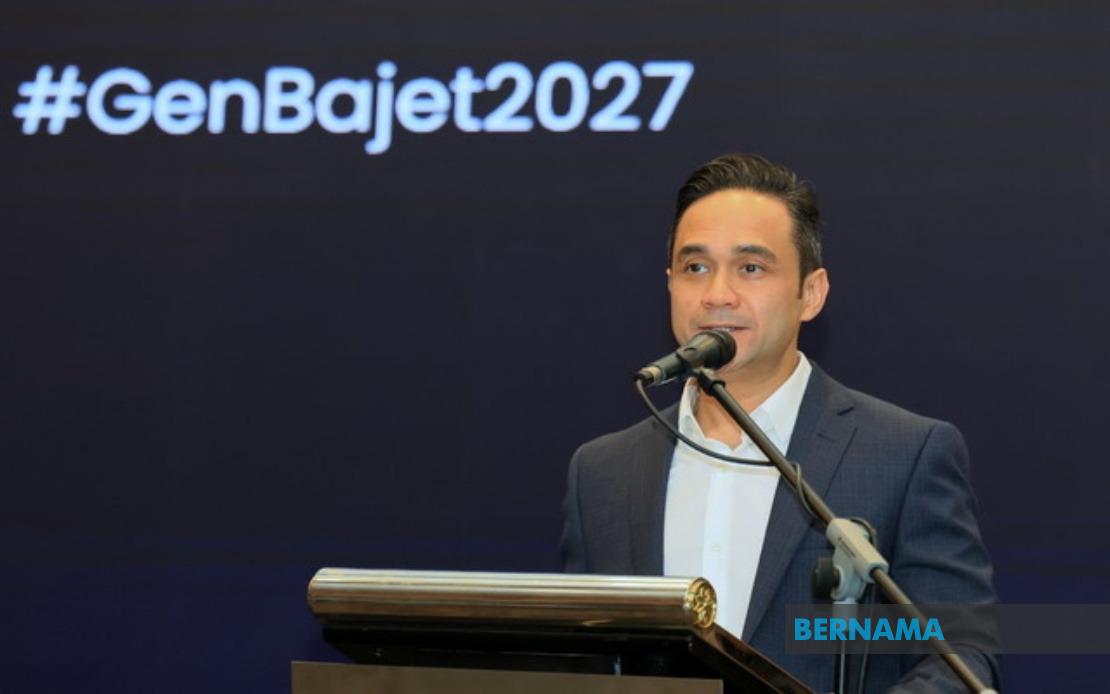
The Bumiputera Agenda Steering Unit (TERAJU) has formally signalled its intention to seek substantial budgetary allocation in the 2027 federal budget, emphasising that sufficient financial support is essential to realise the goals embedded in the Bumiputera Economic Transformation Plan 2035 (PuTERA35). Speaking in Cyberjaya, Nik Nazree Nik Abdul Rahman, senior director of TERAJU's Strategic Services Division, underscored that without robust funding mechanisms, the ambitious initiative risks falling short of its core mission to elevate the economic participation and wellbeing of Malaysia's Bumiputera community over the next decade.
The PuTERA35 framework, which launched on August 19, 2024, represents one of the most comprehensive government-led blueprints for Bumiputera economic advancement in recent years. The plan encompasses 132 distinct initiatives organised around three strategic pillars and twelve drivers, all calibrated to function as an integrated ecosystem for growth. These initiatives are sequenced across the full ten-year horizon from 2024 to 2035, with intermediate targets set for 2030 that officials have flagged as particularly critical for maintaining momentum. The broader strategic context places PuTERA35 squarely within the government's wider MADANI Economy framework, signalling alignment between Bumiputera empowerment and the administration's macroeconomic vision.
Nik Nazree emphasised that the 132 initiatives collectively form a coordinated push to expand Bumiputera participation, ownership, and control across multiple economic sectors and value chains. Rather than viewing these as standalone programmes, TERAJU positions them as mutually reinforcing components designed to shift structural patterns of economic engagement. The official stressed that adequate resourcing would be determinative; without it, even well-designed initiatives struggle to achieve measurable outcomes. This framing places the onus on the budget-setting process to recognise that Bumiputera advancement is not merely a social objective but a lever for broader economic dynamism and inclusivity.
One area TERAJU has identified as particularly promising involves the energy transition sector, which officials believe presents novel commercial opportunities for Bumiputera-led enterprises. As Malaysia navigates its shift toward renewable energy and sustainable power generation, the emerging value chains—from renewable energy project development to supply-chain integration—are generating entrepreneurial openings that did not exist in traditional economic segments. TERAJU sees the budget allocation as a vehicle to channel Bumiputera capital, expertise, and networks into these high-growth domains, effectively positioning the community at the frontier of economic transformation rather than at its margins.
Capital market development also features prominently in TERAJU's budget case. Officials have acknowledged that strengthening Bumiputera enterprises through enhanced access to equity financing, debt instruments, and investment vehicles remains an underdeveloped area. Currently, Bumiputera participation in Malaysia's capital markets, whether as fund managers, institutional investors, or listed company founders, remains constrained relative to both the population share and economic potential of the community. TERAJU has signalled that Budget 2027 should earmark resources for capacity-building programmes, mentorship networks, and targeted investment incentives that would help Bumiputera entrepreneurs graduate from microfinance and SME lending into the institutional investment ecosystem.
Progress tracking has emerged as a central concern in TERAJU's framing of the budget request. The unit reports that implementation of PuTERA35 has reached 67 per cent completion in the first phase, but officials have candidly noted that a high implementation rate does not necessarily translate into desired socio-economic outcomes. This distinction between process metrics and impact metrics is crucial; it suggests that TERAJU recognises the risk of initiatives rolling out as planned while failing to materially strengthen Bumiputera enterprises or improve household living standards. This internal scrutiny reflects a maturing approach to programme evaluation and lends credibility to the unit's budget submission, as it demonstrates awareness that spending must be coupled with rigorous outcome verification.
The governance architecture supporting PuTERA35 implementation includes oversight by the Bumiputera Economic Council, chaired by Prime Minister Datuk Seri Anwar Ibrahim, as well as multiple working committees. This layered institutional arrangement indicates that the initiative enjoys high-level political backing and is embedded within formal government machinery rather than existing as a peripheral programme. The presence of the Prime Minister's direct involvement suggests that Bumiputera economic advancement remains a priority within the current administration's policy architecture, potentially strengthening the case for budget prioritisation.
TERAJU's announcement that a comprehensive implementation performance report will be released by year-end signals a deliberate strategy to ground the budget request in evidence. By documenting progress, identifying bottlenecks, and quantifying outcomes achieved to date, the unit aims to provide decision-makers with concrete data on which to base funding determinations. This approach positions the budget request not as an abstract aspiration but as an informed request grounded in real-time feedback from programme operations. For Malaysian policymakers weighing competing budget demands, such evidence-based advocacy carries greater weight than rhetorical appeals alone.
The implications for the broader Southeast Asian region warrant consideration as well. Malaysia's sustained commitment to Bumiputera economic empowerment through structured, long-term planning demonstrates a particular model of managing majority-community economic advancement within a multicultural context. As other regional economies grapple with questions of inclusive growth and community economic participation, the PuTERA35 experience—including its funding requirements, implementation challenges, and measured outcomes—offers a regional case study. The success or otherwise of this initiative may inform policy discussions elsewhere in Southeast Asia regarding the compatibility of affirmative economic policies with dynamic, competitive markets.
For businesses and entrepreneurs, the budget debate carries practical significance. Entities operating in energy transition, capital markets, and Bumiputera-linked supply chains should monitor the budget outcome closely, as enhanced government funding could translate into expanded contracting opportunities, preferential financing terms, and capacity-building support. Similarly, investors eyeing Malaysia's Bumiputera economy segment may find that Budget 2027 allocations signal government commitment levels and timeline horizons relevant to investment planning. The fiscal year 2027 budget outcome, therefore, serves as a barometer not only of government priorities but also of market conditions likely to emerge over the subsequent years of plan implementation.

