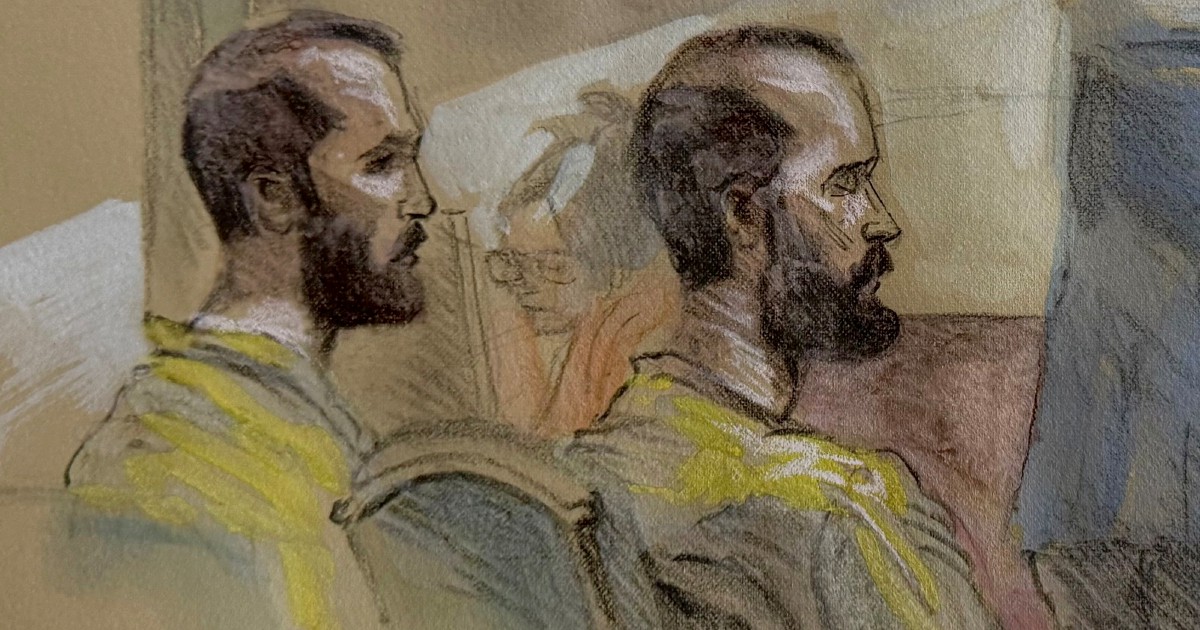
The internet personalities Andrew and Tristan Tate remain incarcerated in a Miami detention facility following a federal court hearing that postponed any decision on their release. During proceedings held in Miami federal court on Thursday, Magistrate Judge Lauren Louis refrained from issuing an immediate determination on the brothers' bail application, effectively extending their stay in custody pending her formal ruling on the matter.
The delay marks another chapter in the high-profile legal saga surrounding the two former kickboxers who accumulated millions of followers on social media platforms before their arrest. The brothers face serious allegations originating from British authorities, who are pursuing extradition on rape charges that carry significant consequences under UK law. Their legal team has mounted a vigorous challenge to the extradition request, arguing that they should be released on bail pending resolution of the case.
The decision to withhold an immediate ruling reflects the complexity of the extradition proceedings and the weighty considerations that magistrate judges must balance when determining bail eligibility in such cases. Courts in the United States typically examine factors including the severity of alleged offences, flight risk, community ties, and the strength of evidence when deciding whether to release defendants pending legal outcomes. The postponement suggests that Judge Louis required additional time to thoroughly evaluate these considerations or may be awaiting supplementary documentation from the legal representatives involved.
Extradition cases between the United States and Britain involve intricate legal frameworks designed to ensure that surrendering individuals does not violate constitutional or statutory protections. The mutual legal assistance treaty between the two nations requires that requesting countries establish sufficient probable cause and meet procedural requirements before an individual can be surrendered for prosecution abroad. For Malaysian observers, the case illustrates how different Commonwealth nations navigate complex jurisdictional questions when their citizens face accusations in foreign jurisdictions.
The Tate brothers initially gained prominence through viral social media content before expanding their online presence into various business ventures. Their extraordinary rise in digital influence, which culminated in substantial followings across multiple platforms, demonstrated the significant reach that contemporary content creators can achieve. However, their trajectory shifted dramatically following their arrests, which generated considerable public discourse about the responsibilities accompanying massive online platforms and the vulnerability of such influencers to serious criminal allegations.
Britain's pursuit of extradition underscores how international law enforcement cooperation has evolved in an era where individuals can accumulate influence and wealth transcending traditional geographic boundaries. The charges they face represent the kind of serious allegations that typically trigger aggressive prosecution strategies across multiple jurisdictions. The waiting period created by Judge Louis's decision leaves the brothers in legal limbo, unable to proceed with either bail arrangements or preparations for potential extradition proceedings.
The federal detention system in Florida has housed numerous high-profile defendants awaiting extradition rulings, and the case fits within a broader pattern of international criminal justice cooperation. For Southeast Asian commentators, the proceedings highlight how even individuals with substantial resources and legal representation face considerable obstacles when contesting extradition requests from established democracies with robust legal traditions. The American judicial system's insistence on thorough deliberation, even when extending detention, reflects institutional commitments to procedural fairness that many regional observers recognise as foundational to legitimate law enforcement.
The brothers' legal strategy necessarily involves challenging not merely the extradition request itself but potentially the evidentiary basis upon which British authorities have sought their surrender. Effective defence requires demonstrating deficiencies in the case or arguing that transferring them would violate fundamental rights protections available under American law. The extended deliberation period may permit their attorneys to marshal additional evidence or legal arguments supporting their bail applications.
The postponement equally reflects judicial prudence in cases with significant international dimensions and substantial public attention. Magistrate judges recognise that hastily issued decisions in high-visibility extradition matters can create appellate complications and undermine public confidence in the fairness of proceedings. By taking additional time, Judge Louis signals commitment to thoroughness and impartiality, even though the delay necessarily prolongs the brothers' detention.
For observers in Malaysia and across Southeast Asia, the case demonstrates how jurisdiction, evidence standards, and international cooperation mechanisms continue reshaping the landscape where digital-age influencers operate. The brothers' predicament reflects broader transformations in how law enforcement addresses crimes alleged to have occurred across multiple national boundaries and how courts balance procedural protections against serious criminal allegations originating abroad. The forthcoming ruling will establish important precedents for how American courts approach bail determinations in comparable extradition scenarios, potentially influencing how regional jurisdictions approach similar matters when their own citizens face international prosecution requests.

