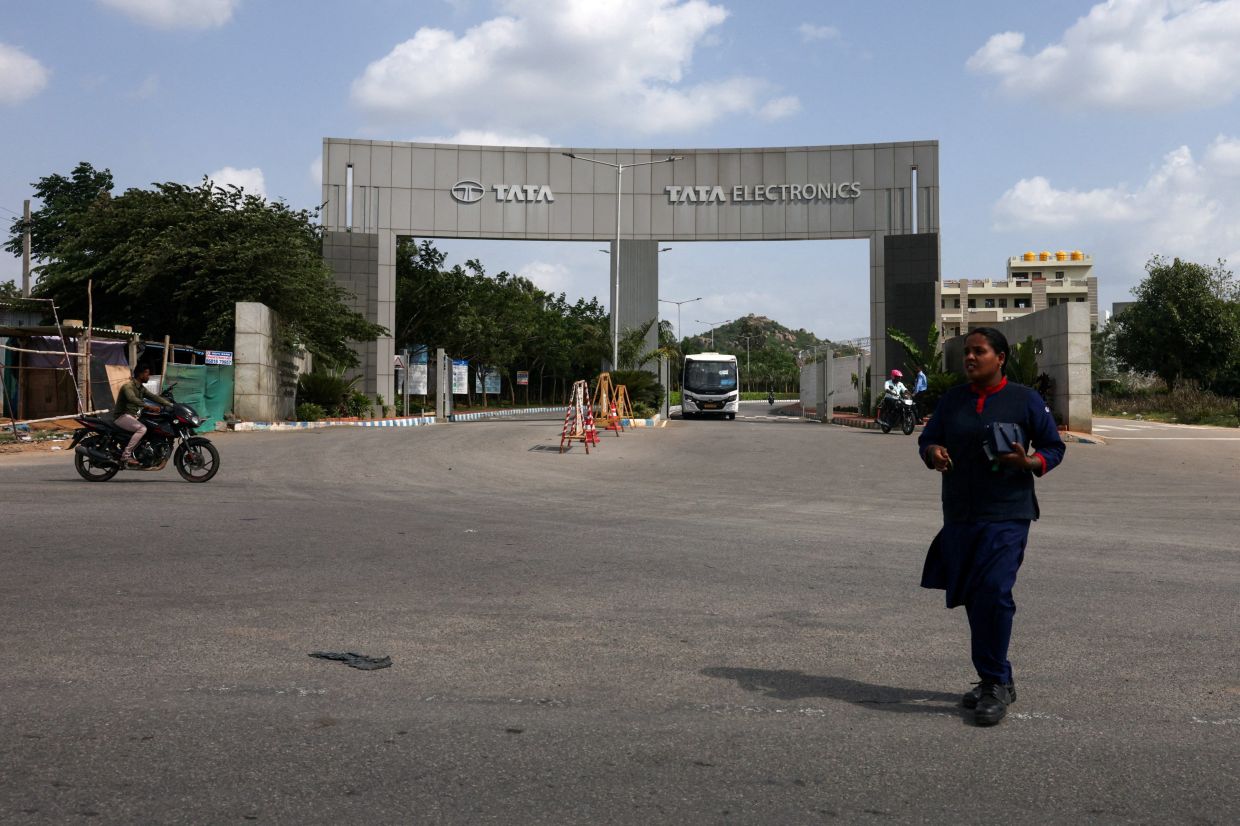
Tata Electronics disclosed on Monday that it had discovered a recent cybersecurity breach affecting some of its systems, confirming a development that researchers and hackers had already made public by posting purported proprietary materials from two of the company's most prominent clients—Apple and Tesla. The incident, attributed to a ransomware group operating as World Leaks, has thrust India's critical electronics manufacturing sector into the spotlight at a particularly sensitive moment for the nation's ambitions to become a global computing hub.
The extent of the theft appears substantial. World Leaks has uploaded more than 200,000 files—totalling over 630 gigabytes—to its dark web platform, according to security researchers who reviewed the posted materials. The sheer volume underscores both the scope of the breach and the sophistication of modern ransomware operations, which increasingly target high-value supply chain nodes where multiple major clients' intellectual property converges. For Tata Electronics, which manufactures components for Apple's iPhones and supplies parts to Tesla, the breach represents an exposure of competitive and technical information that took years to develop.
Tata's official statement to Reuters characterised the attack as having been promptly contained, asserting that normal business operations across all divisions remained uninterrupted. The company stated it had deployed response protocols immediately upon discovering the intrusion weeks prior, minimising operational disruption. However, the manufacturer declined to address claims that the attackers had demanded a ransom—a tacit acknowledgement that extortion demands were part of the incident. This silence reflects standard practice among major corporations, which typically avoid publicising ransom negotiations to prevent encouraging further attacks or complicating law enforcement investigations.
Apple, already scrutinising the breach, acknowledged that analysis was ongoing, according to a source briefed on the investigation. The Cupertino company did not respond to requests for comment, maintaining its typical posture of minimal public disclosure on security matters. Tesla similarly declined to comment. The incident compounds existing challenges for Apple's Indian supply chain, which has faced environmental scrutiny following alleged farmland contamination allegations near Tata's iPhone manufacturing facility, demonstrating how vulnerabilities in the supply chain can be multifaceted and interconnected.
The cybersecurity breach carries strategic implications for India's technology ambitions. Tata has emerged as one of Apple's most critical manufacturing partners outside China, a development central to Prime Minister Narendra Modi's vision of transforming India into a major electronics production centre capable of reducing dependence on Chinese manufacturing. Currently, Tata accounts for approximately one-third of Apple's iPhone assembly in India, with Foxconn handling the remainder. This concentration of manufacturing capability—combined with the now-evident cybersecurity vulnerabilities—highlights the risks inherent in rapid industrial expansion without proportional security hardening.
The materials posted by World Leaks suggest comprehensive system penetration. Security researcher Rajshekhar Rajaharia, who examined the leaked files, identified documents bearing Apple's proprietary markings, including a 52-page file detailing quality inspection standards for iPhone circuit board components. Searches of the database revealed 181 files and folders associated with Apple, encompassing design specifications and manufacturing details. For Tesla, the leaked materials reportedly include technical drawings for Project Highland—an internal codename for an updated Model 3 sedan—alongside controller specifications for the Model Y's chargeport system, suggesting the hackers accessed not merely current but forward-looking product development information.
The data breach reveals the interconnected nature of contemporary supply chains. A single breach at a major component manufacturer creates exposure not for one client but for multiple Fortune 500 companies simultaneously. World Leaks has previously claimed responsibility for breaching Nike, establishing itself as a significant player in the ransomware ecosystem. The group's targeting of Tata suggests deliberate focus on high-value targets where the convergence of multiple major clients maximises potential ransom demands and data sale value on dark web criminal marketplaces.
This incident echoes a previous cyberattack on Tata's British Jaguar Land Rover division, which occurred the preceding year and resulted in a six-week production shutdown. That episode demonstrated both the vulnerability of Tata's cybersecurity infrastructure and the cascading operational consequences when manufacturing systems fall to attackers. The repeated targeting of Tata assets raises questions about whether the company's security investments have kept pace with its expanding role as a critical node in global supply chains, particularly for strategic technology companies.
The timing and accessibility of the breach underscore the organised, professional nature of contemporary ransomware operations. The data became accessible on the dark web by at least June 10, according to security researcher Rakesh Krishnan, meaning the materials were discoverable by criminal actors, corporate intelligence gatherers, and competitors well before Tata's public acknowledgement. This lag between breach and disclosure—standard in cybersecurity incidents as companies assess damage and coordinate response—nevertheless creates a window during which stolen information circulates beyond the direct control of affected parties.
The Indian Computer Emergency Response Team, a government body responsible for national cyber incident coordination, did not immediately respond to inquiries regarding the breach, reflecting the lagged institutional response typical of large-scale incidents. Meanwhile, Tata informed employees at its iPhone assembly operations in Hosur, Tamil Nadu—the location of its primary Apple manufacturing facility—of the data breach, indicating that internal communication about the incident had already begun before public acknowledgement.
The breach illuminates vulnerabilities that extend beyond individual corporate security investments. As India accelerates electronics manufacturing to diversify global supply chains away from China, security infrastructure—both at individual companies and at national level—must scale proportionally. The incident demonstrates that assembling iPhones in India rather than China provides geopolitical benefits but does not automatically confer superior cybersecurity. Without substantial investment in digital infrastructure, regulatory frameworks, and security talent across the ecosystem, India risks becoming known as a manufacturing destination with elevated theft and breach risks, potentially undermining the very supply chain diversification that governments and multinational corporations are seeking to achieve.
The World Leaks disclosure serves as a reminder that the contemporary threat landscape encompasses not merely operational disruption but systematic intellectual property theft at scale. Files allegedly containing Tesla's proprietary technical drawings and Apple's quality standards represent the codified expertise underlying competitive advantage. For multinational technology companies, such losses extend beyond the immediate financial cost of ransom or remediation; they may accelerate competitors' access to technical solutions or inform counterfeiting efforts. For India, the breach signals that participation in high-value technology manufacturing requires commensurate cybersecurity maturity—an investment that cannot be deferred without accepting substantial national and commercial risk.