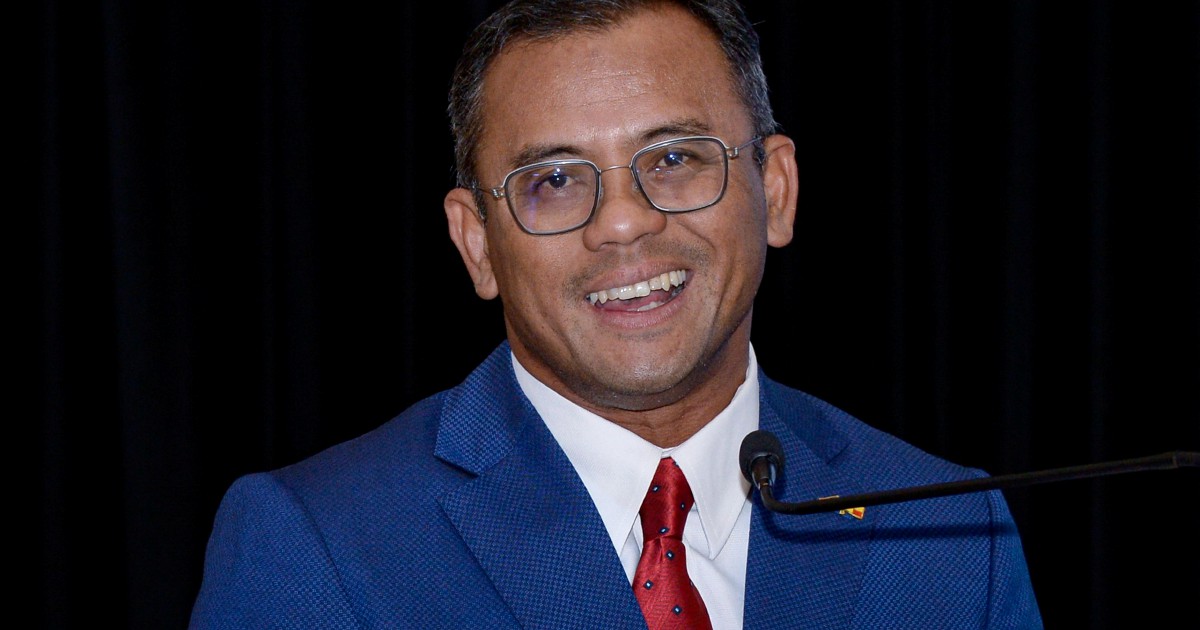
Concerns over governance failures at Lembaga Tabung Haji have resurfaced in Parliament, with lawmakers advocating for a comprehensive investigation into whether the Islamic pilgrimage savings institution's past irregularities are connected to the broader 1MDB scandal. The proposal signals renewed scrutiny of one of Malaysia's largest financial institutions serving millions of Muslim savers, and reflects persistent anxiety about systemic vulnerabilities in domestic institutions that may have been exploited for misappropriation or improper fund deployment.
The call for a multi-agency task force represents a significant escalation in oversight efforts. Such an investigative body would need to coordinate across several government agencies and statutory authorities, consolidating evidence and witness testimony to establish whether Tabung Haji's documented governance lapses occurred in isolation or formed part of a wider pattern of financial misconduct that encompassed the 1MDB fiasco. The approach acknowledges that legacy issues within the fund may be too complex and interconnected for conventional auditing mechanisms to unravel comprehensively, and that cross-institutional coordination is essential to trace financial flows and identify culpability.
Tabung Haji has confronted mounting challenges in recent years, including investment losses, poor corporate governance standards, and questions about internal controls that protected beneficiaries' savings. The institution, which manages contributions from millions of Malaysian Muslims planning to perform the Hajj pilgrimage, holds substantial assets and operates across diverse investment portfolios. Any irregularities in its operations carry implications not merely for individual savers but for public confidence in religiously-mandated financial mechanisms and government stewardship of citizen assets entrusted to statutory bodies.
The potential nexus between Tabung Haji lapses and 1MDB represents a significant analytical question, given that the 1MDB scandal involved complex web of transactions, international fund movements, and cooperation between state actors, sovereign wealth entities, and private intermediaries. If investigation reveals that elements of the Islamic fund's assets were leveraged or exploited through mechanisms overlapping with 1MDB arrangements, it would underscore how systemic vulnerabilities in one institution can be weaponized to facilitate misconduct elsewhere across the financial ecosystem. Such discoveries would have implications for understanding the full scope of financial misconduct during the relevant period.
For Malaysian savers and pilgrims, the establishment of a formal task force carries reassuring weight. It signals commitment to accountability and recovery where possible, while acknowledging that truth-telling about institutional failures precedes any meaningful reform agenda. Tabung Haji has already implemented several corrective measures, including management changes and enhanced audit procedures, but a dedicated investigation could reveal root causes that earlier remedial actions may not have addressed comprehensively, thereby informing more robust safeguards going forward.
The regional dimension merits attention as well. Malaysia's experience with financial institution mismanagement—whether at Tabung Haji, 1MDB, or elsewhere—carries cautionary lessons for other Southeast Asian nations developing or strengthening frameworks for managing sovereign wealth funds, religious endowments, and public investment vehicles. Effective investigation and transparent disclosure of findings would contribute to regional knowledge about institutional vulnerabilities and best practices for prevention, strengthening governance standards across the broader neighbourhood.
From a policy perspective, the proposed task force should address several specific areas: the timeline of irregularities and when they were first detected; the individuals and entities involved in decision-making that led to losses or improper transactions; the adequacy of oversight mechanisms that existed at the relevant times; and the precise nature and quantum of any losses attributable to misconduct rather than market volatility. Clear delineation of these factors would allow regulators to implement targeted reforms addressing genuine governance deficits rather than implementing blanket measures that may prove counterproductive.
Parliamentary advocacy for such an investigation also reflects broader institutional health concerns. The Dewan Rakyat's willingness to scrutinize past performance of statutory authorities, even years after irregularities occurred, demonstrates legislative function as an accountability mechanism. This scrutiny becomes more valuable when coupled with executive capacity to resource investigations adequately and when findings translate into legislative or regulatory amendments that prevent recurrence in other public institutions managing citizen assets.
Though establishing a task force constitutes a procedural step rather than a substantive outcome, it represents essential groundwork for accountability. Effective investigation requires sustained commitment, adequate funding, and cooperation from relevant parties who may be reluctant to disclose information that could expose them to liability. The task force structure proposed through Parliament would provide institutional legitimacy and mandate necessary to compel disclosure and conduct comprehensive forensic analysis that standalone audits have not achieved.
Moving forward, the investigation's conclusions will carry weight beyond the immediate Tabung Haji context. They will inform reform trajectories for other public institutions, shape regulatory frameworks governing investment vehicles and endowments, and contribute to Malaysia's broader project of strengthening institutional integrity post-1MDB. Whether the investigation confirms direct linkages between Tabung Haji irregularities and 1MDB arrangements or establishes that they represent separate governance failures occurring within the same institutional environment, the findings will provide Malaysian policymakers and citizens with clarity essential for rebuilding confidence in public institutions and ensuring that lessons learned translate into sustained systemic improvement.

