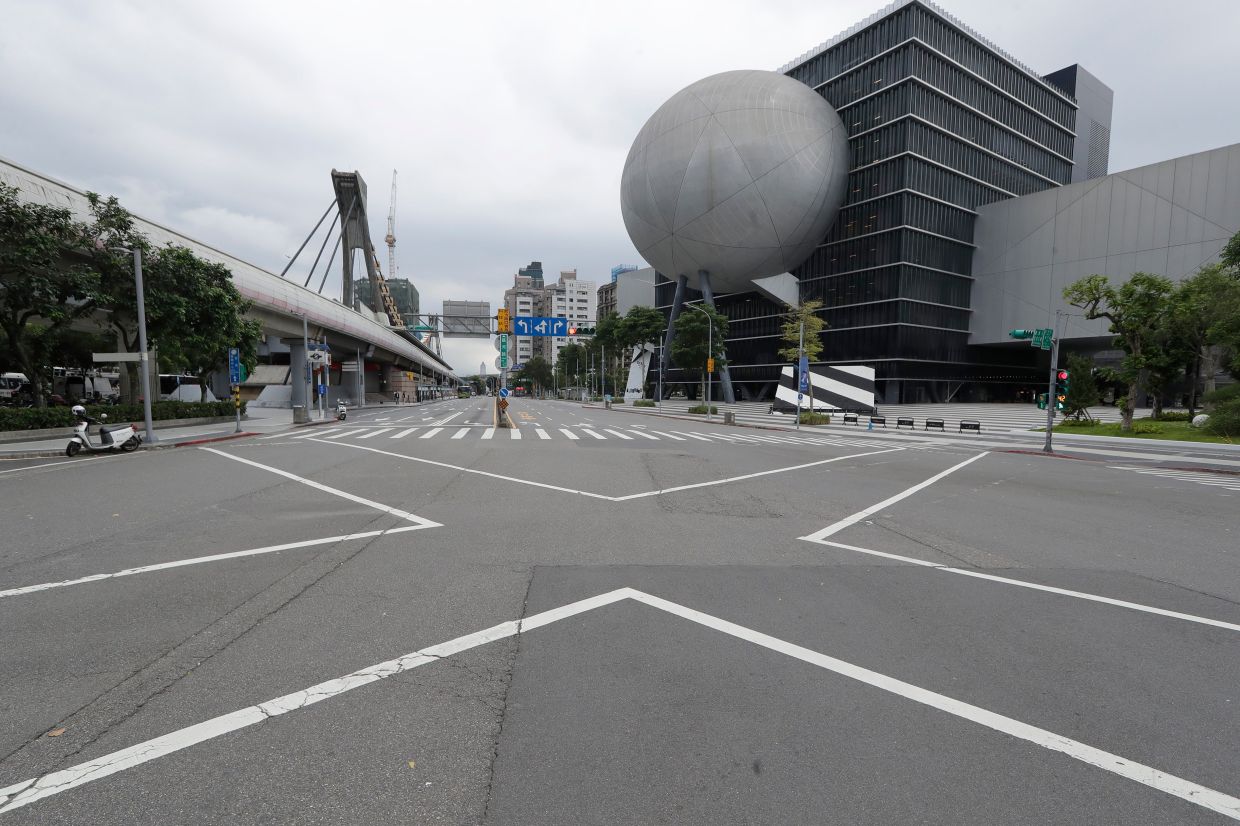
Taiwan deliberately slowed mobile internet connections to 256 Kbps across Taipei and six surrounding cities on August 13, effectively restricting users to text messaging as part of the Han Kuang exercises, the island's most intensive annual military drills. The coordinated intervention represented a marked escalation in how Taiwan approaches civilian preparedness, with authorities willing to accept public inconvenience to simulate authentic wartime conditions and test infrastructure resilience.
The slowdown formed the culmination of Han Kuang drills that had commenced the previous week, with telecommunications operators implementing the restrictions during specified windows. Under normal circumstances, residents in major Taiwanese cities enjoy access to high-speed 5G networks, making the deliberate reduction to dial-up era speeds a jarring, tangible reminder of potential vulnerabilities. The exercise demonstrated how quickly connectivity could degrade under emergency conditions, forcing users to recalibrate their digital dependencies and rely on the most basic communication channels.
President Lai Ching-te publicly apologised for the service disruption, framing it as a necessary component of national preparedness. His acknowledgement of public inconvenience reflected a delicate political balance: the government needed to convey the seriousness of threats while maintaining public confidence in the drills' legitimacy. "We ask for your understanding and support, as this is a necessary drill," Lai stated, emphasising that temporary hardship served broader strategic objectives regarding Taiwan's defence posture.
This year's Han Kuang exercises represented a fundamental departure from previous iterations, which prioritised minimising disruption to daily routines. Historical urban resilience drills in Taipei had proceeded largely invisibly to most residents—air raid drills in metro stations, for instance, scarcely impeded passenger flows or attracted public attention. Officials concluded that such unobtrusive exercises failed to build genuine mass preparedness or test real-world response capabilities. The new approach explicitly rejected that model in favour of comprehensive, highly visible demonstrations of crisis procedures.
Integration of civilian populations and close coordination with local government agencies emerged as linchpins of the redesigned exercise framework. Rather than treating civil defence as primarily a military or bureaucratic exercise, Taiwan now actively enrolled ordinary citizens in simulation scenarios, creating visceral understanding of potential disruption and institutional responses. This civilian-centric methodology aligned with broader strategic thinking about total defence—the concept that societal resilience depends on widespread public participation rather than hierarchical command structures alone.
During Thursday's metro closure simulation, Taipei's underground transit system essentially became a controlled training environment. Operators locked station gates to prevent passengers from exiting, simulating conditions where civilians might become trapped during air raids or other emergencies. The exercise lasted approximately 30 minutes for affected passengers, creating genuine moments of anxiety and disorientation that conventional drills rarely produced. Such realism served multiple purposes: it tested how public information systems functioned under stress, how transit operators managed confined populations, and how ordinary people responded psychologically to unexpected constraints on movement.
Allen Hsieh, a Hong Kong tourist caught in one metro closure, provided valuable perspective on how credibly the drills communicated their purpose. Despite the inconvenience of waiting half an hour for station gates to reopen, Hsieh expressed understanding of Taiwan's strategic situation and appreciation for the authenticity of the exercise design. "I know that Taiwan needs to conduct exercises, given the current situation. I can understand that," he observed, while noting surprise at the realism: "I did not expect it to be so real. I thought I would only receive text messages." His comments suggested that transparent communication about exercise objectives could generate public acceptance even when personal inconvenience resulted.
President Lai visited a hospital facility participating in the drills, observing simulations of critical operations relocation to underground infrastructure. Taiwan's healthcare system occupies particular strategic importance in conflict scenarios—hospitals require continuous power, communication networks, and supply chains to function. By rehearsing how major medical institutions could transition to hardened, subterranean facilities, authorities tested whether they could maintain civilian medical services during sustained bombardment or infrastructure disruption. Such planning reflected sophisticated understanding that modern warfare directly targets civilian infrastructure, making contingency preparation existential rather than merely procedural.
The intensified Han Kuang approach carries significant implications for Southeast Asian security perceptions. Taiwan's willingness to demonstrate vulnerability through deliberately disruptive drills conveyed multiple messages simultaneously: to its own population, that threats were sufficiently serious to warrant genuine preparation; to allied nations including the United States, that Taiwan possessed institutional capacity to mobilize civilians for defence; and to China, that Taiwan's society had hardened expectations regarding potential conflict. The exercises suggested a shift from defensive passivity toward active, population-wide resilience building.
For Malaysia and other regional democracies, Taiwan's evolving civil defence model offers important lessons regarding civilian preparedness and institutional trust. When governments conduct invisible exercises that maintain business-as-usual appearances, publics often remain detached from national security concerns, viewing preparedness as bureaucratic theatre rather than genuine necessity. Conversely, deliberate disruption—temporary internet throttling, metro closures, hospital relocations—creates embodied understanding of crisis realities and builds practical familiarity with emergency procedures. Such visceral experiences reshape how citizens conceptualize resilience and their own roles in national defence.
Taiwan's escalating exercise intensity also reflected evolving threat assessments regarding cross-strait military tensions and the credibility of deterrence. By demonstrating that civilian populations could mobilize rapidly, absorb disruption without panic, and execute complex procedures under simulated emergency conditions, Taiwan projected an image of societal cohesion and institutional competence. This implicit messaging carried particular weight given China's sustained military pressure and the international community's close monitoring of Taiwan's defensive capabilities and readiness.
Looking forward, the Han Kuang model likely represents the baseline for Taiwan's civil preparedness regime rather than a temporary escalation. Once governments accustom populations to realistic drills and establish frameworks for coordinated civilian mobilization, reverting to invisible exercises risks appearing complacent or inadequate. Taiwan's trajectory suggests that regional security environments increasingly demand visible, population-engaging demonstrations of preparedness, challenging traditional assumptions about separating civilian and military domains during peacetime.

