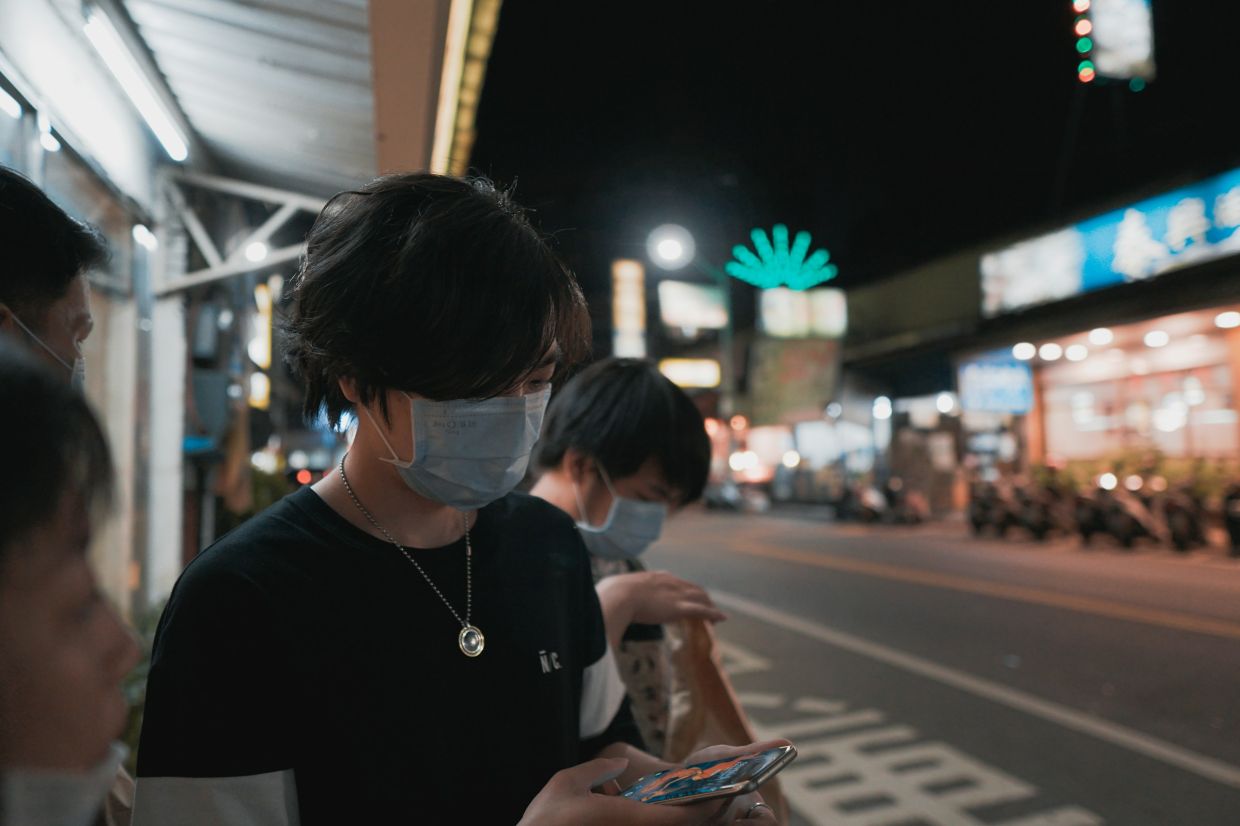
Taiwan is preparing its population for potential emergencies by conducting its first-ever simulation of disrupted mobile internet services, a significant escalation in the island's civil defence planning that underscores growing anxieties about conflict with China and natural disaster scenarios. National security officials disclosed the exercise in mid-July, confirming that the drills will throttle mobile data speeds to unusable levels across central Taiwan on August 10 and northern Taiwan, including Taipei, on August 13, while keeping voice communications and fixed-line broadband intact.
The operational scope of the simulation reveals careful thinking about which services remain critical during crises. Between 2:30 pm and 3 pm on each drill day, mobile data networks will be deliberately degraded to the point where video streaming and other bandwidth-intensive activities become impossible. However, traditional voice calls, text messaging, and wired internet connections will function normally, allowing residents to maintain contact with loved ones and access emergency information through alternative channels. This targeted approach reflects a recognition that even in severe disruptions, certain communication pathways must survive.
The underlying purpose extends beyond mere technical testing. Taiwanese officials view the exercise as an educational initiative designed to shift public behaviour and expectations. By exposing citizens to a controlled internet slowdown, authorities hope to encourage households to develop communication backup plans, identify reliable methods for reaching family members, and understand where to find shelter and relief services when normal systems fail. The drill essentially asks Taiwanese residents to experience and mentally rehearse scenarios they may face in genuine emergencies.
Taiwan's decision to introduce mobile internet disruption drills reflects a hardening security environment. Beijing has maintained a relentless campaign of military intimidation through near-daily air and naval operations circling the island, coupled with periodic large-scale exercises that demonstrate both capability and intent. Chinese officials have repeatedly refused to renounce force as a means of asserting control over Taiwan, keeping the military dimension of cross-strait relations perpetually tense. Simultaneously, China has expanded its assertiveness in regional waters, pledging to continue patrols east of Taiwan despite Japanese and Philippine announcements regarding maritime boundary discussions in the disputed area.
One national security official emphasised that Taiwan is deliberately making its civil defence drills more realistic in response to the deepening threat from China. This statement suggests a policy shift away from abstract, theoretical exercises toward simulations that test actual vulnerabilities and public adaptability. The mobile internet throttling represents the first visible manifestation of this more stringent approach, though officials indicated that future iterations could expand to include disruptions across other telecommunications infrastructure, potentially encompassing fixed-line networks, emergency broadcast systems, or power distribution networks.
The August drills encompass far more than internet simulation. Alongside the mobile data slowdown, Taiwan will conduct large-scale evacuation operations, test the island's ability to expand medical capacity during crises, and demonstrate drone technology for delivering essential goods and medical supplies to isolated or damaged areas. This comprehensive approach treats emergency preparedness as a multi-faceted challenge requiring simultaneous advances across evacuation logistics, healthcare scaling, and supply chain resilience. The drone component particularly reflects modern thinking about maintaining humanitarian support when conventional transportation routes are compromised or dangerous.
Taiwan's vulnerability to both human conflict and natural disaster creates a dual urgency behind these drills. The island sits in a seismic zone and regularly faces typhoons that can inflict severe damage to infrastructure and displace thousands of residents. Recent typhoon seasons have demonstrated how quickly natural disasters can overwhelm public services, disrupt communications, and create humanitarian crises. By bundling military contingency planning with disaster preparedness in a single exercise, Taiwan's national security apparatus acknowledges that the distinction between these two categories of emergency may blur in practice.
For regional observers, particularly in Southeast Asia, Taiwan's escalating civil defence posture carries broader implications. The island's willingness to conduct increasingly realistic emergency drills, including simulated infrastructure failures, signals a government taking security threats with utmost seriousness. This approach could influence how other regional states, facing their own security challenges and disaster risks, conceptualise emergency preparedness and public communication during crises. Malaysia and other ASEAN nations managing contested waters and natural disaster exposure may find elements of Taiwan's methodology relevant to their own planning.
The drills also reflect Taiwan's sophisticated understanding of information warfare and the psychological dimensions of conflict. By familiarising the public with communication disruptions during peacetime, authorities reduce the shock and disorientation that such disruptions would cause during actual crises. Citizens who have mentally rehearsed how to communicate without mobile data, where to find emergency information, and how to coordinate with family members will likely respond more calmly and effectively than those experiencing such conditions for the first time under genuine duress.
Taiwan's investment in these emergency simulations represents a pragmatic acknowledgment that conflict, should it occur, would be fundamentally asymmetrical and would target civilian infrastructure as much as military assets. Preparing ordinary residents to function without the digital conveniences they depend upon daily is therefore a reasonable, though sobering, component of national security strategy. The willingness of officials to publicly discuss these drills, rather than conducting them covertly, suggests Taiwanese leadership wants the population aware of both the risks and the preparations underway to mitigate them.

