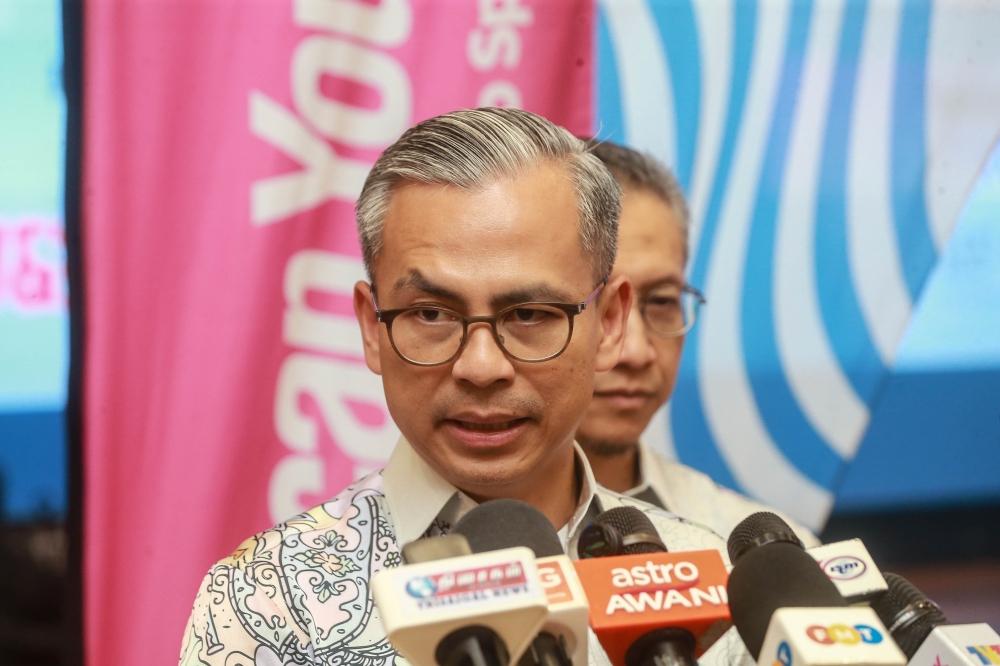
The Malaysian government has committed to a broad investigative response to the Royal Commission of Inquiry findings on Lembaga Tabung Haji, with Minister in the Prime Minister's Office Fahmi Fadzil announcing that the report will be forwarded to multiple agencies for detailed examination. The coordinated approach involves the Royal Malaysian Police, the Malaysian Anti-Corruption Commission (MACC), Bank Negara Malaysia, and the Inland Revenue Board (IRB), reflecting the complexity and severity of issues identified in the inquiry.
Tabung Haji, the state-owned Islamic pilgrimage fund that manages savings for Malaysian Muslims preparing for the hajj and umrah, has faced mounting scrutiny over its financial management and investment decisions. The RCI's conclusions apparently warrant simultaneous investigation from law enforcement, anti-corruption authorities, banking regulators, and tax authorities, indicating that findings span criminal conduct, corruption allegations, regulatory breaches, and potential tax implications. This multi-layered approach suggests the inquiry uncovered systemic governance failures rather than isolated incidents.
The MACC's involvement signals that investigators will examine whether officials engaged in corrupt practices in managing the fund's substantial assets. The commission has particular expertise in pursuing cases involving abuse of power and misappropriation within government-linked institutions. Given Tabung Haji's role as a custodian of public Islamic wealth—comprising millions of Malaysian Muslims' savings—any findings of misconduct carry significant reputational and financial consequences for both the institution and the individuals involved.
Bank Negara Malaysia's participation in the investigation reflects concern that Tabung Haji's banking and financial practices may have breached regulatory standards or Islamic banking principles. The central bank maintains supervisory authority over Islamic financial institutions and can impose sanctions on entities that fail compliance requirements. The involvement of banking regulators suggests the RCI may have identified questionable investment structures, poor risk management, or violations of banking conduct standards that warrant regulatory remedies and penalties.
The IRB's inclusion indicates the inquiry likely uncovered tax-related irregularities, ranging from improper expense deductions to potential underpayment of corporate taxes. Given Tabung Haji's privileged tax status as an Islamic charitable institution, any tax violations could compromise its exemptions and expose the fund to substantial back-tax assessments. The IRB investigation may also examine whether individuals received unreported benefits or engaged in tax evasion through fund-related transactions.
For Malaysian Muslims and ordinary Tabung Haji members, this multi-agency inquiry represents both hope and anxiety. Hope stems from the apparent determination to pursue accountability across institutional boundaries; anxiety arises from the sheer scope of potential problems. Members have long questioned management decisions, particularly regarding significant investment losses and inadequate returns compared to conventional savings vehicles. The RCI process itself reflected accumulated public concern about whether the fund was appropriately protecting contributors' life savings.
The referral to multiple agencies also signals that Malaysia's institutional framework is functioning to pursue complex investigations through appropriate channels. Rather than attempting to resolve all issues within a single agency, the government has recognized that different authorities possess specialized expertise and jurisdictional authority necessary for comprehensive accountability. This approach theoretically maximizes the potential for identifying wrongdoing and applying appropriate legal remedies, though it also increases coordination complexity and timeline uncertainty.
Investigators will need to navigate substantial technical and forensic challenges. Tabung Haji's operations involve intricate Islamic financial instruments, international investment holdings, and complex corporate structures. Determining whether decisions constituted negligence, breach of fiduciary duty, or deliberate fraud will require sustained expert analysis. The multi-agency approach may facilitate this by enabling different agencies to focus on their respective areas—corruption investigators targeting individuals, financial regulators examining systemic compliance, and tax authorities pursuing revenue implications.
The investigation timeline remains uncertain, though coordinated multi-agency inquiries typically proceed over months or years given their complexity. MACC cases involving senior officials and substantial sums frequently require extensive document review, witness interviews, and forensic accounting. Members awaiting resolution should prepare for a protracted process before criminal charges, regulatory sanctions, or administrative actions emerge.
Beyond immediate accountability concerns, the RCI process and subsequent investigations carry implications for governance reform across Malaysia's government-linked investment vehicles. Tabung Haji manages approximately RM76 billion in assets as one of Malaysia's largest institutional investors. How authorities respond to RCI findings will signal the government's commitment to strengthening governance standards across the broader portfolio of state-owned enterprises and funds. Successful prosecution and institutional reforms could establish precedents for addressing similar governance challenges elsewhere, while inadequate enforcement might undermine confidence in other public financial institutions.
The announcement reflects heightened political attention to institutional accountability following years of public criticism. Previous scandals involving mismanagement of government funds have damaged public trust and prompted calls for stronger enforcement mechanisms. By demonstrating visible action through multi-agency investigation, the government aims to reassure stakeholders that governance violations receive serious consequences. How thoroughly and impartially these investigations proceed will substantially influence public confidence in Malaysia's capacity to police itself and protect public wealth.

