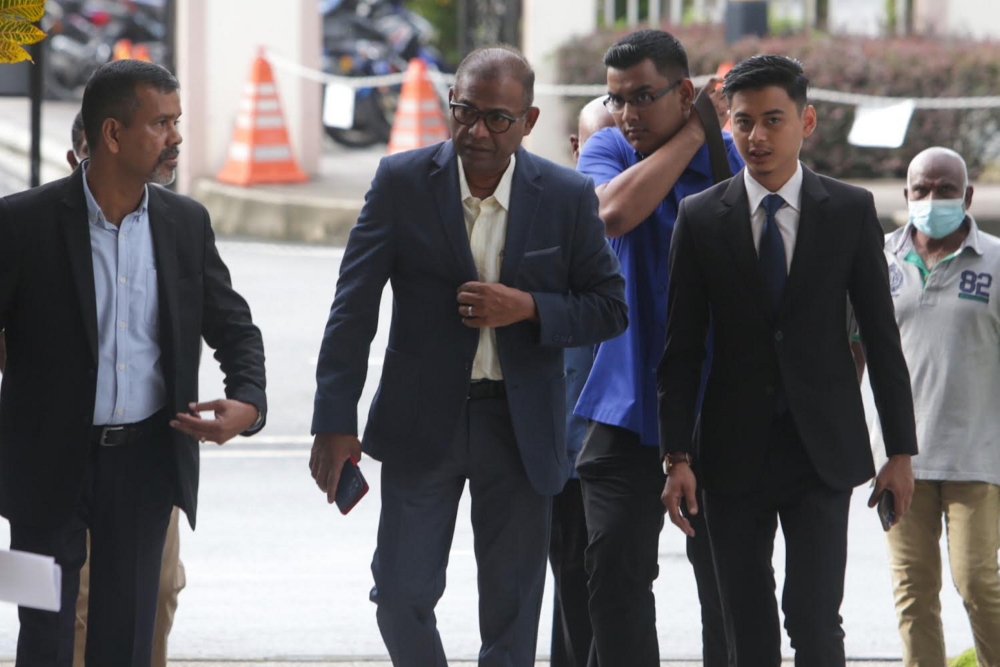
Unsubstantiated claims circulating on social media suggesting that the former Baling Member of Parliament faced imminent detention by Malaysia's anti-corruption authorities have been firmly rejected by his family, who characterised the online chatter as mere speculation lacking any factual foundation. The son of Datuk Seri Abdul Azeez Abdul Rahim took to digital platforms to publicly deny the allegations, stressing that no such enforcement action had been initiated against his father in connection with the Tabung Haji Royal Commission of Inquiry.
The rumour mill appears to have been triggered by broader public discourse surrounding the ongoing Royal Commission investigation into the Islamic pilgrimage fund, which has commanded significant media and political attention across Malaysia. Tabung Haji, the state-sponsored body that manages hajj financing for Malaysian Muslims, has faced intense scrutiny regarding its financial management and governance practices, generating widespread speculation about which political figures or administrators might face accountability. The emergence of such unverified claims highlights the volatile nature of social media discourse in Malaysia, where allegations can spread rapidly before being substantiated or investigated.
The statement from Abdul Azeez's family serves as a reminder of the challenges posed by misinformation in the digital age, particularly in the realm of Malaysian politics where sensitive governance questions can easily become fodder for unfounded conspiracy theories. The Royal Commission's work, while legitimate and necessary for public accountability, has inadvertently created an environment where various names are speculated upon without evidence. This phenomenon reflects broader anxieties about institutional oversight and anticorruption enforcement in the country.
Datuk Seri Abdul Azeez Abdul Rahim's prominent political history within Kedah's Baling constituency underscores why his name might become entangled in such narratives, given his previous position of considerable influence. Former MPs often remain subjects of public interest, particularly when major governance inquiries are underway that touch upon government institutions and their administration. The Tabung Haji investigation has proven especially prone to generating speculative links between various political personalities and potential misconduct allegations.
The Malaysian Anti-Corruption Commission's actual investigative activities remain focused on substantive evidence and institutional procedures. The MACC's engagement with individuals under investigation typically follows formal protocols and due process mechanisms rather than informal social media announcements. The distinction between actual enforcement actions and rumour-based claims is crucial for maintaining public confidence in anticorruption institutions, yet the proliferation of unverified allegations can undermine credibility of legitimate investigations.
For Malaysian readers and stakeholders in governance accountability, this episode underscores the importance of distinguishing between verified reports from established news organisations and unsubstantiated claims originating from anonymous social media accounts. The Tabung Haji situation remains a matter of genuine public interest, given the fund's significance to millions of Malaysian Muslim families who depend on its services for pilgrimage financing. Any genuine findings from the Royal Commission would presumably be communicated through official channels rather than viral social media posts.
The family's public rebuttal represents a strategic attempt to contain narrative damage and establish clarity around their position before misinformation becomes entrenched in public consciousness. This defensive posture is increasingly common among Malaysian public figures confronting viral accusations, as social media dynamics often favour rapid amplification over careful verification. The speed at which false claims can circulate on platforms like Facebook, WhatsApp, and X creates asymmetrical challenges for those seeking to rebut allegations.
The Tabung Haji Royal Commission itself carries significant implications for understanding how Malaysian institutions handle governance issues and financial accountability. The inquiry's findings, once completed, will likely influence perceptions about the depth of any systemic problems within the fund and whether individual officials bear responsibility for alleged mismanagement. Until such formal findings emerge through official channels, attributing specific individuals to investigations remains speculative.
Relegating such allegations to the category of unverified rumour rather than credible reporting serves an important function in the Malaysian information ecosystem, where public discourse increasingly struggles to separate fact from fiction. The family's intervention, while self-interested, contributes to this necessary clarification process. Moving forward, media literacy and responsible consumption of political information become increasingly essential for Malaysian citizens navigating complex governance narratives in an era of ubiquitous digital misinformation.

