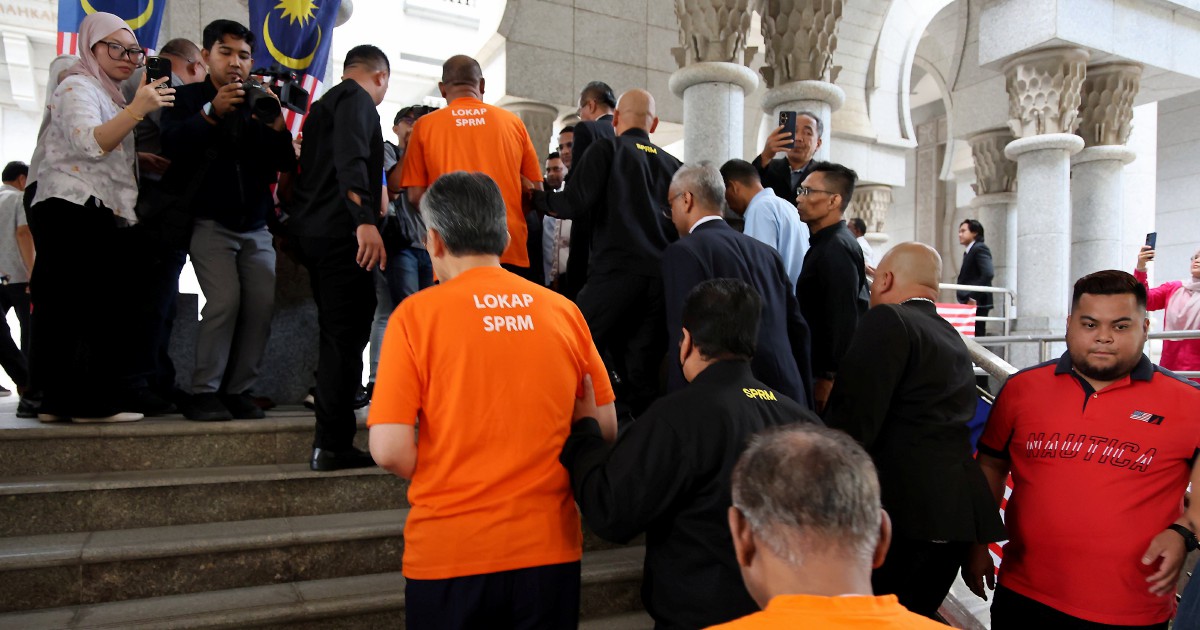
The Malaysian Anti-Corruption Commission obtained a four-day remand extension today against the former chief executive officer of Tabung Haji, signalling the investigation into the troubled hajj savings fund is entering a more intensive phase. The decision, handed down in Putrajaya, reflects the seriousness with which authorities are treating allegations surrounding the management of funds entrusted to one of Malaysia's most significant Islamic financial institutions.
Tabung Haji has long occupied a privileged position in Malaysian public life as the official vehicle through which Muslim citizens save for the hajj pilgrimage. The institution manages billions of ringgit in savings from millions of Malaysians, many of whom are low-income earners setting aside modest sums over years to fulfil one of Islam's five pillars. Any governance failure or misappropriation at the fund therefore carries profound implications not only for individual pilgrims but for public confidence in Islamic financial institutions more broadly.
The extension of detention suggests investigators require additional time to examine documentary evidence, conduct witness interviews, and establish the precise nature and scope of any alleged wrongdoing. In complex white-collar investigations, particularly those involving large institutional structures and multiple transactions, the initial remand period frequently proves insufficient to pursue all investigative leads. The decision to seek further custody indicates the MACC has identified sufficient grounds to believe continued detention will materially advance the inquiry.
The Tabung Haji case carries significant resonance across Southeast Asia, where pilgrim savings funds and hajj-related financial services represent a substantial market. Similar institutions operate throughout the region, managing contributions from Indonesian, Brunei, and other Muslim populations. Any governance lapses uncovered in Malaysia's system may prompt regulatory reviews elsewhere, particularly if they reveal systemic vulnerabilities in how such sensitive funds are overseen and deployed.
For Malaysian citizens, the investigation touches on deeply personal concerns. Millions of families have contributed to Tabung Haji accounts, often with the understanding that their savings would be preserved and deployed solely for their religious obligations. The prospect that mismanagement or misconduct may have compromised these funds naturally generates anxiety among the pilgriming community and their families. This extends to questions about the adequacy of governance structures, internal controls, and independent oversight mechanisms within the institution.
The detention of a former chief executive officer signals the investigation has progressed beyond preliminary stages to focus on senior leadership. As the highest-ranking officer, the former CEO bears ultimate responsibility for the institution's operations and strategic decisions. The MACC's targeting of this level of management suggests investigators believe evidence may implicate decisions made at the executive suite level, rather than attributing alleged misconduct solely to mid-level staff or isolated bad actors.
The timing of the remand extension warrants consideration within Malaysia's broader anti-corruption landscape. The MACC has intensified enforcement action across multiple sectors in recent years, from enforcement to finance to public administration. The Tabung Haji investigation represents part of this wider pattern, demonstrating that even long-established institutions with government backing face rigorous scrutiny when allegations of impropriety arise. This sends an important message about the regime's commitment to investigating high-profile cases irrespective of institutional prestige or political sensitivities.
Investigations of this magnitude typically generate considerable forensic accounting work. Specialists must trace fund flows, identify irregular transactions, reconcile account records with official documentation, and establish chains of accountability for decision-making. Each additional remand period provides investigators time to complete these technical analyses and consolidate findings into a coherent narrative that can be presented to prosecutors and eventually to courts if charges are filed.
The case also illuminates broader questions about corporate governance in Malaysia's institutional ecosystem. Tabung Haji, despite its religious and social mission, operates as a sophisticated financial institution managing complex asset portfolios and investment strategies. The investigation may therefore reveal gaps between governance frameworks that work adequately for routine operations and those required to safeguard extraordinary institutional trust. Addressing these gaps could necessitate legislative reform, regulatory enhancement, or structural reorganisation within the fund itself.
For Malaysian investors and savers generally, the Tabung Haji case serves as a reminder of the importance of institutional oversight and regulatory vigilance. While the MACC's investigation demonstrates that enforcement mechanisms exist to address alleged misconduct, the case simultaneously reveals that wrongdoing may persist for extended periods before detection. This underscores the value of proactive governance reforms, whistleblower protections, and independent auditing beyond what many institutions currently provide.
As the investigation proceeds through successive remand periods, public attention will inevitably focus on what specific allegations prosecutors will ultimately present, whether charges will be filed, and what remedial measures the institution will implement to restore public confidence. The four-day extension represents a procedural step in what may prove to be a lengthy process, but it confirms that authorities view the matter with sufficient gravity to warrant sustained investigative effort.

