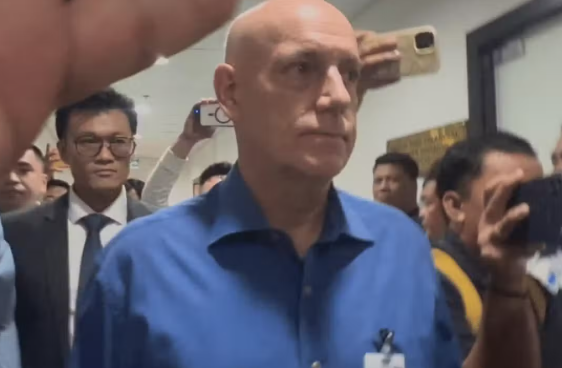
Tab Baldwin, the former head coach of Ateneo de Manila University's men's basketball team, made his long-awaited appearance at the National Bureau of Investigation's Homicide Division on Tuesday afternoon, accompanied by his legal representative Karl David. The session came after the American coach had failed to attend two previously scheduled investigative interviews, raising questions about the handling of what has become a high-profile case in Philippine collegiate sports. Baldwin arrived at the bureau around 1:45pm and was still undergoing questioning as reports emerged, signalling that authorities intended a thorough examination of his account regarding the deaths of two young athletes under his supervision.
The investigation centres on the drowning deaths of Rene Baterbonia and Divine Adili, both members of Ateneo's men's basketball roster, who perished during a team-organised activity in the remote municipality of Dipaculao in Aurora province earlier in June. The incident has reverberated through Philippine sports circles and raised urgent questions about duty of care, athlete safety protocols, and institutional accountability in university sports programmes. The deaths have prompted parallel inquiries by multiple law enforcement agencies, reflecting the gravity of the incident and the public concern it has generated across the nation.
Baldwin's initial absence on June 16 was attributed to health concerns, with his legal team informing the NBI that the coach was not in a condition to participate in questioning. This initial postponement set the stage for further complications when Baldwin subsequently appeared before the Philippine National Police-Criminal Investigation and Detection Group on June 19 but failed to keep his scheduled NBI appointment on the same day. The pattern of missed appearances, whether justified or not, had drawn scrutiny from observers and appeared to complicate the investigative timeline for both agencies involved.
The participation of two separate investigative bodies—the NBI and the Philippine National Police's CIDG—underscores the complexity and sensitivity of the case. This dual-agency approach is not uncommon in Philippine investigations involving deaths that may involve criminal negligence or administrative failures. Both organisations have been conducting their own lines of inquiry, though their investigations overlap significantly. The fact that Baldwin has now provided statements to both agencies creates an important dimension for investigators, as they will be able to analyse consistency and identify any discrepancies between his accounts to the different organisations.
NBI Director Melvin Matibag has indicated that a key focus of the investigative work will involve cross-referencing Baldwin's statement to the bureau with the testimony he provided to the CIDG during his June 19 appearance. This comparative analysis will likely centre on the circumstances leading up to the drowning incident, the safety measures in place during the activity, the response protocols that were activated, and any decisions or actions taken by Baldwin and other team officials. Such detailed scrutiny is standard practice when examining fatalities that may involve preventable circumstances or breaches of duty.
The timeline of the investigation suggests that authorities aim to move expeditiously toward conclusions. The NBI has publicly stated its intention to complete its inquiry by the end of the week in which Baldwin appeared, indicating pressure to resolve questions about what occurred during the fatal team activity. This compressed timeframe reflects both the urgency of providing answers to grieving families and the institutional need to establish facts quickly while memories remain fresh and evidence remains available.
Baldwin, who has coached professional and university-level basketball across multiple countries before his appointment at Ateneo, brings considerable experience to Philippine collegiate sports. However, his background and standing in the coaching profession do not shield him from the legal and investigative processes now underway. The questioning by authorities represents a critical juncture in establishing what transpired and whether any failures in supervision, planning, or emergency response contributed to the tragedy. The presence of his legal counsel indicates that Baldwin's defence team is taking the matter with appropriate seriousness, as statements made to authorities could have significant legal implications.
The broader context for Philippine sports involves ongoing discussions about athlete welfare, institutional oversight, and the responsibilities of coaches and university administrators. The Ateneo case has intensified these conversations, with sports bodies and educational institutions reviewing their safety protocols for team activities, particularly those involving water. The incident serves as a sobering reminder of the risks inherent in organised sporting activities and the necessity of comprehensive safety frameworks. For Malaysian observers, the case offers important parallels and lessons, as similar concerns about student-athlete protection exist across Southeast Asian universities.
As Baldwin's questioning continues and the investigation progresses toward its stated conclusion, families of the deceased athletes remain at the centre of these proceedings. The investigation's outcome will likely influence not only potential legal consequences for individuals involved but also broader institutional and regulatory responses to athlete safety in Philippine higher education. The involvement of high-profile coaching figures and established institutions has ensured media attention and public scrutiny, factors that typically accelerate investigative processes and ensure thorough examination of all available evidence.