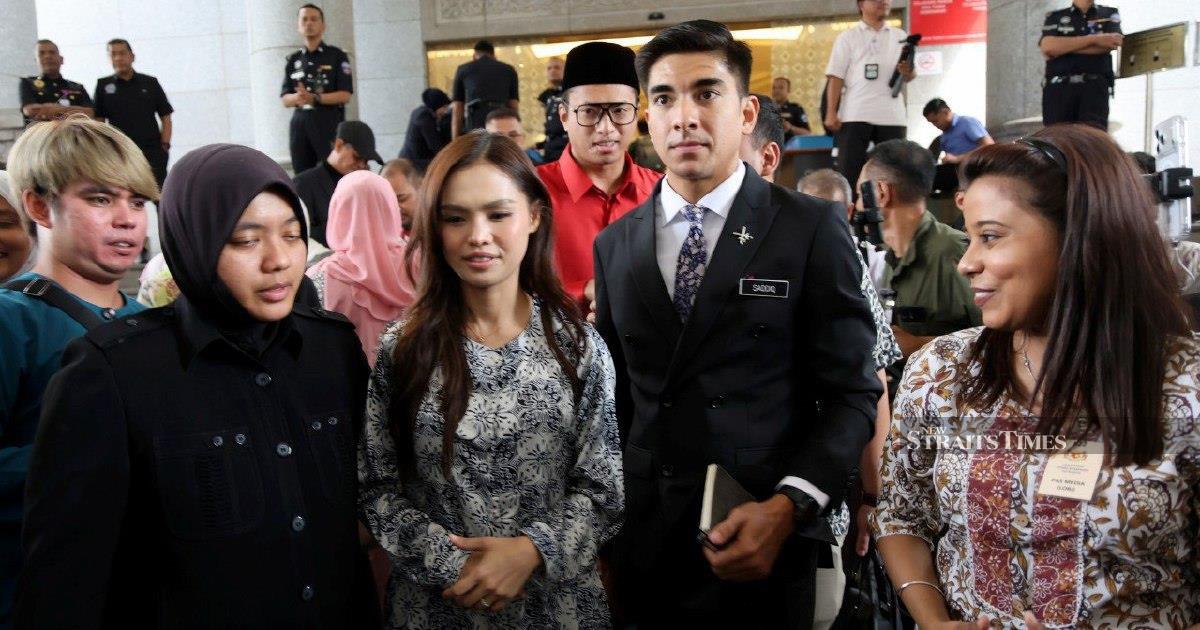
Syed Saddiq Syed Abdul Rahman, the Muar member of parliament, has signalled that questions about resuming control of the Muda party will have to wait. The youthful politician, who has been navigating a complex period of legal proceedings, said his immediate focus remains on personal matters rather than political positioning within the party he co-founded.
The timing of his statement comes shortly after his acquittal in court, a development that technically clears the way for him to pursue a formal return to the party helm. However, the Muar MP made clear that the verdict does not translate into an immediate shift in his priorities or strategic direction. His comments underscore a deliberate choice to compartmentalise his life at this juncture, separating his private aspirations from his public institutional responsibilities.
The question of Muda's leadership has hovered over Malaysian political observers since Syed Saddiq's departure from the party's top position. Muda, which positioned itself as a reformist movement targeting younger voters and championing systemic change, has operated under different leadership structures during his absence. His potential return would inevitably trigger internal party dynamics and broader coalition calculations, particularly given Muda's role in the country's evolving political landscape alongside other opposition and government-aligned parties.
By explicitly stating that marriage and family considerations take precedence, Syed Saddiq is sending a clear message about his current life stage and personal values. This approach differs markedly from the intense political manoeuvring that often dominates Malaysian politics, where high-profile figures typically move swiftly to consolidate power once legal obstacles are removed. Instead, he appears to be asserting agency over his narrative by choosing to address personal milestones on his own timeline.
The court acquittal itself represents a turning point in his trajectory. The legal case had cast a shadow over his political activities and public profile, creating uncertainty about his future viability in leadership roles. With that cloud lifted, Syed Saddiq now possesses the option to pursue a comeback, yet his reluctance to immediately seize that opportunity reflects maturity and perhaps realistic assessment of the personal costs associated with high-profile political positions in Malaysia.
For Muda as an organisation, Syed Saddiq's measured response likely creates both opportunities and challenges. The party can continue operating without the distraction of internal succession debates, but it also remains linked to questions about its founding leader's eventual return. Younger members and party activists may view his absence differently — some as a positive sign of stability and fresh direction, others as unfinished business that requires resolution.
The broader political context makes his positioning particularly significant. Malaysian politics continues to evolve with generational shifts, coalition realignments, and changing voter expectations. Muda's niche as a party appealing to younger, reform-minded Malaysians places it in a distinctive position, and Syed Saddiq's eventual decisions will influence whether the party consolidates its identity independently or becomes inextricably tied to its founder's personal political fortunes.
From a personal standpoint, Syed Saddiq's public emphasis on marriage reflects contemporary Malaysian values where family remains central to identity and social standing, even for those in high-visibility positions. His willingness to speak openly about prioritising these matters suggests confidence in his position and perhaps recognition that personal fulfilment need not be sacrificed entirely for political ambition.
The coming months will reveal whether this statement represents a genuine shift in priorities or a strategic pause. Observers will watch for signals about whether his personal timeline — presumably the wedding itself and adjustments to married life — might eventually align with a return to formal party leadership. Such intersections between private life events and public political decisions are rarely coincidental in Malaysian politics.
What remains clear is that Syed Saddiq has earned space to make his own choices about timing and sequencing, having navigated legal proceedings that might have derailed political careers entirely. His focus on marriage before confronting the Muda question demonstrates an approach that privileges personal stability and satisfaction, suggesting that when he does eventually address the leadership question — should he choose to — he will do so from a position of relative equilibrium rather than reactive desperation.

