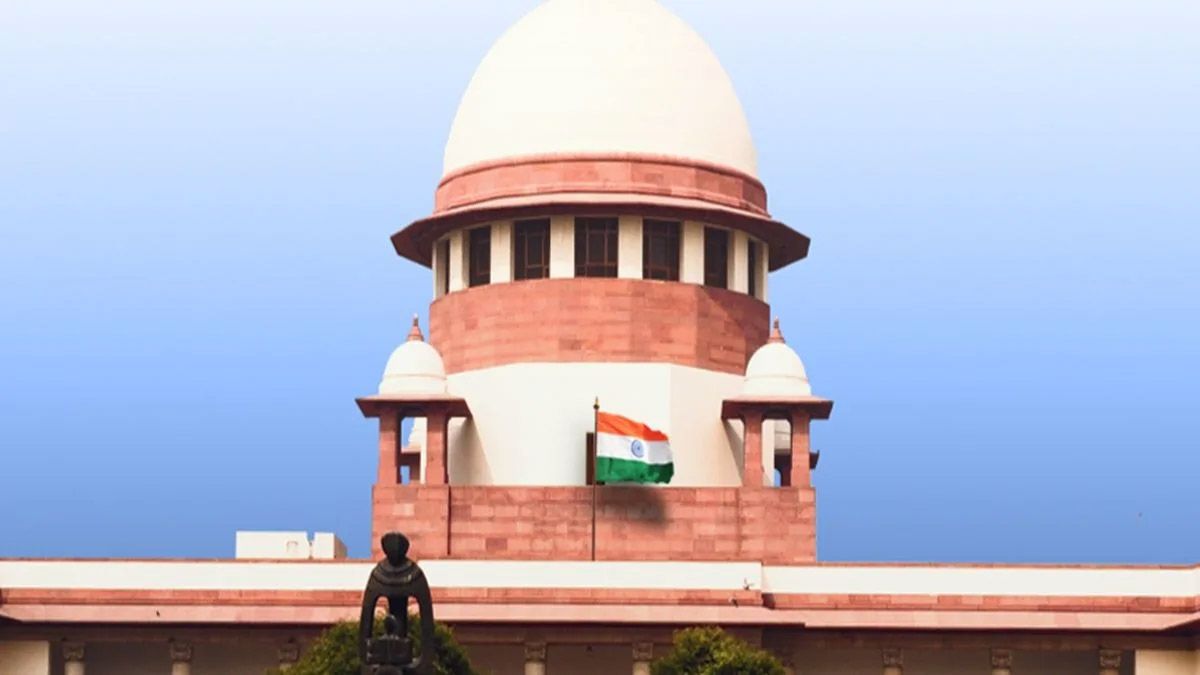
India's Supreme Court has intervened in a contentious livestock dispute by temporarily halting a Madras High Court judgment that sought to prevent cow and calf slaughter throughout Tamil Nadu. A two-judge bench comprising Justices Vikram Nath and Sandeep Mehta issued the interim stay on Monday while hearing the Tamil Nadu government's appeal against the High Court's May 27 decision. The top court has called for corrections to the impugned order before making a final determination, signalling concerns about how the case proceeded through the judicial system.
The case represents a significant clash between religious sensibilities, animal welfare considerations, and the legal frameworks governing livestock management in one of India's most economically developed states. At its heart lies a fundamental disagreement about judicial scope—specifically, whether courts may expand remedies beyond what petitioners originally sought. The Tamil Nadu government's core contention is that the Madras High Court fundamentally overreached when it transformed a petition targeting public slaughter into a blanket prohibition affecting even authorised slaughterhouses.
The original public interest litigation, filed by K Surya Prasanth, General Secretary of Hindu Makkal Katchi, focused narrowly on preventing cow slaughter in public spaces during the Bakrid festival. Petitioners alleged that temporary sheds had been erected in Coimbatore specifically for this purpose, creating concerns about animal welfare and violation of existing regulations. However, the Madras High Court's response went substantially further, directing the state government to ensure no cow or calf would be slaughtered anywhere in Tamil Nadu on any day—including in properly authorised and regulated slaughterhouses.
State authorities argue that this sweeping prohibition contradicts the existing legal framework governing animal slaughter. Tamil Nadu operates under the Animal Preservation Act of 1958, which does not impose an absolute ban but rather establishes conditions and procedures under which cattle slaughter may be permitted. The state's position is that regulation and proper oversight through designated facilities represent the legislative intent, not total prohibition. This regulatory approach aligns with national legislation including the Prevention of Cruelty to Animals Act of 1960 and associated slaughterhouse rules designed to ensure humane treatment while allowing slaughter under specified conditions.
The Madras High Court's judgment relied substantially on Article 48 of the Indian Constitution, which encourages states to take measures protecting cattle from slaughter. The bench also invoked a 1976 government order banning cow and heifer slaughter in Tamil Nadu's slaughterhouses, contending this order possessed the force of law and remained enforceable. However, the Supreme Court's decision to stay proceedings suggests significant judicial doubt about whether a forty-seven-year-old government order can serve as the basis for such a comprehensive prohibition when standing statutes provide for regulated rather than absolute bans.
For Malaysian observers, this dispute carries implications beyond India's borders. Southeast Asia's diverse religious and cultural communities grapple similarly with balancing animal welfare standards, food security, cultural practices, and regulatory frameworks. Malaysia itself navigates comparable tensions through halal certification requirements, animal protection laws, and the management of livestock industries serving populations with varying dietary practices. The judicial approach taken by Indian courts—whether expansive or restrained—influences regional jurisprudence on rights, remedies, and the proper scope of judicial intervention in regulatory matters.
The interim stay preserves the status quo while the Supreme Court considers whether the Madras High Court exceeded its authority. This procedural development matters significantly because it prevents sudden enforcement of the blanket prohibition while allowing further substantive arguments. The Supreme Court's observation that the order required "correction" suggests the bench identified specific problematic aspects rather than endorsing the High Court's entire approach, though the full scope of these concerns remains to be articulated in written reasons.
From a regulatory perspective, the case highlights tensions between prevention of cruelty and food security in densely populated states. Tamil Nadu's livestock sector supports agricultural employment and food production for millions. Sudden prohibition affecting licensed facilities would disrupt established supply chains while potentially pushing slaughter into unlicensed, less regulated spaces—potentially creating worse animal welfare outcomes. This paradox explains why state governments typically favour regulatory approaches over absolute bans.
The religious dimension adds further complexity. Bakrid celebrations involve ritual animal sacrifice in Muslim communities across India and the broader Islamic world, encompassing South and Southeast Asia. Prohibiting slaughter during this festival raises questions about religious freedom and accommodation of minority practices within secular constitutional frameworks. The High Court's reference to Article 48 reflects Hindu religious perspectives on cattle protection, raising the question of how courts should weigh competing constitutional values and community interests.
Moving forward, the Supreme Court must address whether lower courts may transform narrow petitions into sweeping remedies, whether decades-old executive orders can override current statutory frameworks, and how to balance animal welfare with established regulatory schemes and minority rights. The interim stay prevents immediate disruption but leaves fundamental questions unresolved. Additional arguments will likely address whether the 1976 government order remains valid, whether constitutional Article 48 mandates absolute prohibition or permits regulation, and what constitutes appropriate judicial relief for the original concerns about Bakrid slaughter practices.
The case also demonstrates how constitutional courts navigate polarised social issues where religious conviction, animal ethics, and governance intersect. In pluralistic democracies like India, Malaysia, and other Southeast Asian nations, such disputes require careful judicial calibration. Decisions must respect constitutional commitments to animal protection and minority rights while preserving legitimate regulatory authority and judicial restraint. The Supreme Court's decision to stay the High Court order and call for correction suggests recognition that however meritorious the animal welfare concerns, the remedy must fit the petition and operate within established legal frameworks rather than imposing unilateral prohibition.

