The summer season typically brings slower markets and lighter trading volumes, yet the week ahead promises significant developments that could reshape investor sentiment across asset classes and regions. From currency interventions designed to shore up struggling currencies to geopolitical negotiations affecting critical global trade routes, policymakers worldwide are signalling that August offers no respite from the complexities facing modern finance.
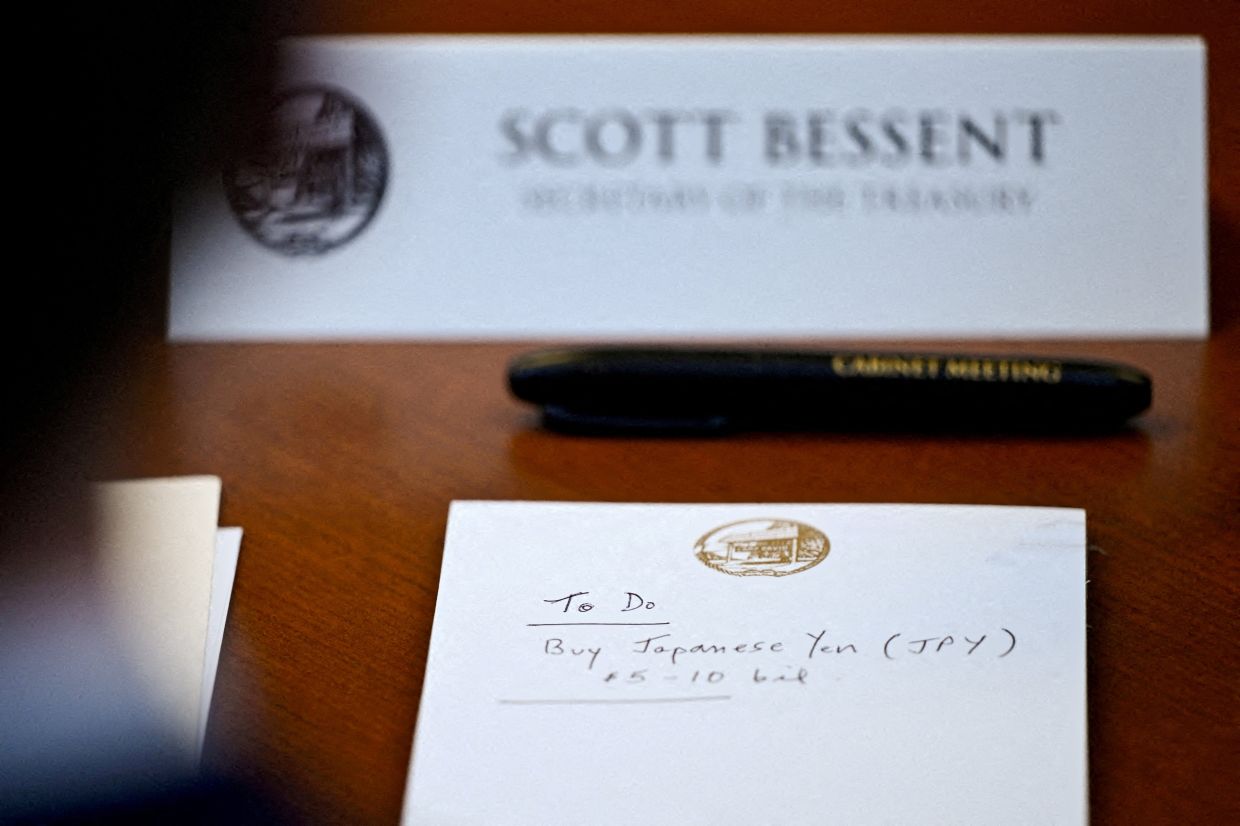
Japan's currency crisis remains at the forefront of international monetary policy discussions. The yen has languished near four-decade lows, a predicament that undermines Tokyo's economic resilience at a particularly vulnerable moment. When a nation's currency weakens substantially, the cost of importing fuel and other essential commodities rises sharply, placing additional strain on both government budgets and household consumption during an already challenging energy environment. The appearance of U.S. Treasury Secretary Scott Bessent's "to-do" list, which explicitly mentioned yen purchases, provided reassurance that Washington recognises the stakes involved. More significantly, Japan and the United States executed a rare joint currency intervention, a coordinated move that suggests both capitals view yen stabilisation as a shared priority rather than a Japanese problem alone.
However, currency traders harbour unresolved questions that will likely dominate conversations throughout the week. The critical question revolves around whether Japan's central bank will signal its readiness to implement a September rate increase, a move that would reinforce the currency's rebound by making yen-denominated investments more attractive to global investors. Monday's release of the Bank of Japan's July meeting minutes strengthened expectations for such action. An equally puzzling dimension involves the unusual choice to deploy euros rather than dollars in the joint intervention. Some analysts interpret this decision as reflecting American Treasury concern that foreign central banks might need to sell U.S. government bonds to finance currency support operations, thereby destabilising global bond markets. This ongoing debate reflects deeper anxieties about whether the dollar can maintain its dominance as the world's reserve currency, a question with profound implications for Malaysia's own trade and investment relationships.
Meanwhile, a tentative diplomatic initiative offers potential relief from Red Sea tensions that have disrupted shipping routes and elevated energy costs. Iran and Oman are currently negotiating terms to manage passage through the Strait of Hormuz, one of the world's most economically vital chokepoints. Notably, the United States has not yet participated in or formally endorsed these talks, a stance that underscores the fraught state of American-Iranian relations. Yemen's Houthi militias, backed by Iran, have launched repeated attacks on Saudi Arabian targets and commercial vessels traversing the Red Sea, creating a parallel crisis affecting shipping lanes through which significant volumes of Gulf oil flow toward global markets. With midterm elections less than five months away, the U.S. administration faces pressure to demonstrate progress on energy prices, which remain stubbornly elevated at over $4 per gallon. Although inflation has proven less severe than earlier forecasts suggested, gasoline costs continue to weigh on voter sentiment. Malaysian policymakers and business leaders should recognise that any breakthrough in these negotiations, however fragile, could alleviate global oil prices and provide modest relief to Southeast Asian economies heavily dependent on energy imports.
Thе Federal Reserve confronts a potentially vexing scenario as American inflation data arrives Wednesday. The preceding week delivered unexpected employment losses in July, a development that complicates the central bank's inflation-fighting calculus. Economists surveyed by Reuters anticipate that the July consumer price index will increase 3.4 percent year-on-year, while core consumer prices, which exclude volatile food and energy components, are forecast to grow 2.5 percent annually. Producer price data arriving one day later will supply additional context for assessing inflationary pressures throughout the economy. Although June's price figures came in softer than anticipated, inflation persists above the Federal Reserve's 2 percent target, maintaining pressure for potential rate increases. The central bank held rates steady during its recent meeting, though three of its policymakers dissented by voting for a hike, signalling internal divisions. Market pricing currently assigns approximately 40 percent probability to an interest rate increase at September's policy meeting, though the upcoming inflation data could substantially shift these expectations.
The divergence in monetary policy approaches across the developed world continues to merit close attention. Australia's Reserve Bank is widely anticipated to maintain its current interest rate stance on Tuesday while assessing whether three rate increases implemented during the year have sufficiently addressed inflationary pressures. Recent consumer price data demonstrated a moderating pace of price growth during the June quarter, yet Reserve Bank Governor Michele Bullock publicly stated the institution stands prepared to raise rates further if inflation threatens to re-accelerate. Analysts widely expect the RBA to preserve a hawkish posture, suggesting future increases remain possible despite the current pause. Similarly, Norway's central bank, Norges Bank, convenes Thursday and is expected to hold rates steady following a deceleration in core inflation during June, though like the RBA, it appears positioned for potential future tightening.
Britain's new Prime Minister, who assumed office in July, will welcome any encouraging signals from economic data releases scheduled for Thursday. The United Kingdom is publishing gross domestic product figures covering both the second quarter overall and June specifically. Monthly figures could demonstrate a rebound, particularly given unexpectedly robust retail sales in June supported by consumer spending linked to major sporting events and unusually warm weather. The temporary benefit of lower energy prices during the brief period of de-escalation in U.S.-Iran tensions may also have provided modest economic stimulus. However, quarterly results could disappoint, as the robust expansion characterising the first three months of the year lost momentum during April and May. Britain's new leadership will hope for a surprise outcome comparable to what the eurozone recently delivered, with preliminary data showing second-quarter growth exceeding analyst expectations. An updated eurozone growth estimate is also due Thursday, providing context for understanding broader European economic trajectory and offering crucial benchmarks for emerging market assessments of developed economy health.
For Malaysian investors and policymakers, these developments carry tangible implications across multiple dimensions. Currency volatility driven by Japanese yen weakness and potential Federal Reserve rate decisions directly affects exchange rates between the ringgit and major trading currencies. Fluctuations in global oil prices stemming from Middle East geopolitical tensions influence Malaysia's import costs and energy-dependent sectors. Federal Reserve policy decisions reverberate through emerging market asset valuations and capital flows, affecting the Malaysian equity market and corporate borrowing costs. Central bank moves by the Reserve Bank of Australia and other regional monetary authorities shape competitive dynamics across Southeast Asia. Understanding these interconnections helps Malaysian economic managers anticipate external pressures and position domestic policy responses accordingly, whether through supportive measures for export-oriented industries or careful stewardship of foreign exchange reserves. The coming week's data and policy decisions will provide crucial signals about the broader trajectory of global growth and inflation, information essential for Malaysian economic planning in an increasingly integrated world economy.

