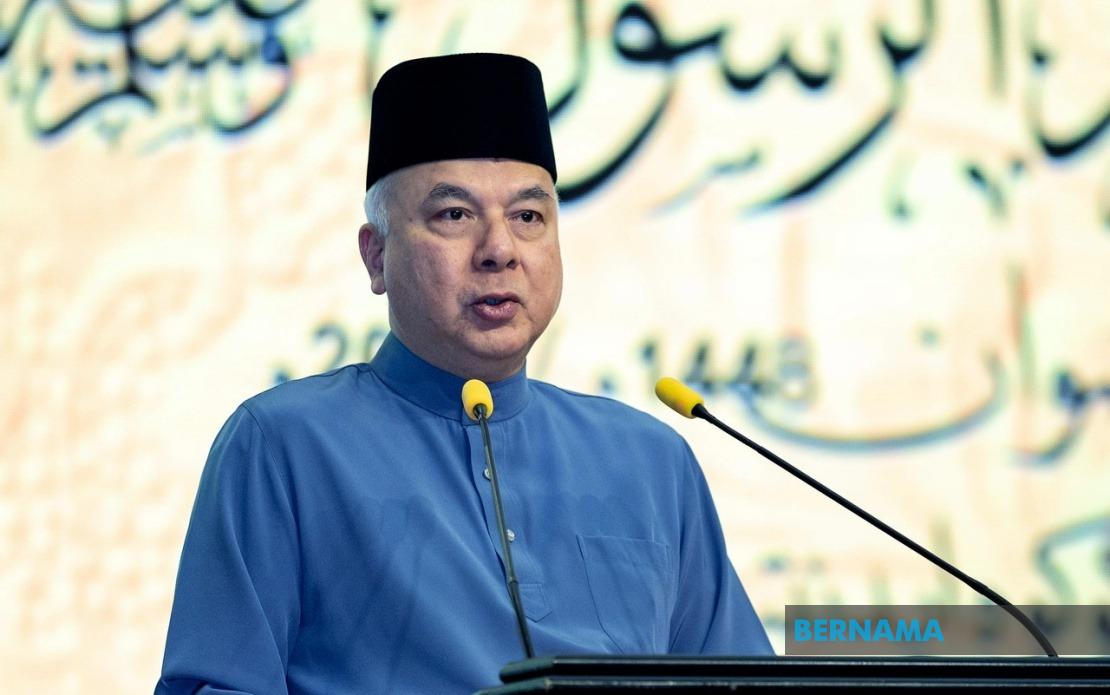
The Sultan of Perak, Sultan Nazrin Shah, has raised alarm over deteriorating unity within the Muslim community, attributing the fragmentation to a complex web of political competition, theological divisions, ethnic tensions, and personal ambitions that increasingly erode the bonds of brotherhood. Speaking during the Perak-level Maulidur Rasul celebration in Ipoh on August 25, Sultan Nazrin identified the pursuit of influence, rank, position, wealth and material comfort as compounding factors that overshadow the spiritual foundations upon which Islamic solidarity should rest. His intervention reflects growing concern among Malaysia's traditional rulers about the state of Muslim cohesion at a time when sectarian and political fault lines appear to be widening across the nation.
The Sultan's diagnosis of Muslim fragmentation resonates deeply with contemporary Malaysian reality, where Islamic organisations and political parties frequently clash over doctrinal interpretations and competing visions for Islamic governance. These disputes, while sometimes framed in religious terms, often mask underlying power struggles and divergent interests that weaken the collective voice of the Muslim-majority nation. By naming these tensions explicitly—rather than glossing over them in diplomatic language—Sultan Nazrin signalled the severity of the situation and the need for urgent remedial action from Islamic leadership at all levels.
Central to Sultan Nazrin's appeal was a call for Muslim leaders and Islamic organisations to deprioritise unnecessary disputes and political rivalries in favour of initiatives that genuinely strengthen Muslim identity and communal progress. This framework distinguishes between sterile competition and constructive engagement, suggesting that not all conflict is inherent to Islamic life, and that much current discord stems from avoidable ego and factional positioning rather than substantive theological disagreement. The Sultan implicitly argued that the ummah's limited resources—financial, institutional, and moral—should be redirected from internal struggles toward substantive programmes that benefit Muslims collectively.
Recognising a bright spot amid the gloom, Sultan Nazrin commended individuals and organisations that have chosen to channel energy into positive Islamic initiatives rather than partisan disputes. He specifically highlighted developments in Islamic economics and finance, the halal industry, waqf systems, digital religious teaching (dakwah), and family institution strengthening as exemplary efforts deserving expansion and support. These sectors represent growth areas where Islamic principles meet contemporary economic and social needs, offering a constructive outlet for Muslim creativity and enterprise that benefits the broader community. By elevating these initiatives, the Sultan offered a roadmap for how Muslim ambition could be channelled productively.
The Perak ruler also articulated a concern that resonates throughout Muslim-majority societies grappling with rapid modernisation: the threat that globalisation, social media, mass entertainment, and Western cultural exports pose to Islamic identity and values. This anxiety is not unique to Malaysia; it reflects a widespread unease across the Islamic world about whether younger generations can maintain religious commitment and cultural particularity amid overwhelming pressure toward homogenisation and secularisation. Sultan Nazrin correctly identified that exposure to global influences is not inherently problematic—indeed, modernisation offers genuine benefits—but that without deliberate and wise strategies, this exposure can corrode the foundations of Islamic practice and self-understanding.
Crucially, Sultan Nazrin rejected a false choice between progress and Islamic identity. Rather than counselling retreat from modernity or wholesale rejection of contemporary innovations, he advocated for sophisticated navigation that preserves Islamic principles while engaging meaningfully with contemporary life. This balanced approach acknowledges that Muslim societies must modernise to thrive economically and remain relevant globally, yet emphasises that such advancement need not require abandonment of core religious and cultural values. The challenge he articulated—achieving modernisation without losing confidence in one's own identity—speaks to an identity crisis affecting Muslims across Southeast Asia and beyond.
The royal address carries particular weight coming from Sultan Nazrin, who has established himself as an intellectual voice within Malaysia's traditional institution framework. His intervention on this occasion was not merely ceremonial; it represented a deliberate effort to frame the conditions of Muslim solidarity in contemporary terms and to offer constructive direction. The presence of other state dignitaries, including Perak Menteri Besar Datuk Seri Saarani Mohamad, reinforced the political significance of these remarks and signalled leadership consensus around the need to strengthen Muslim cohesion.
For Malaysian policymakers and Islamic leaders, Sultan Nazrin's message carries an implicit challenge: internal Muslim disputes, while sometimes inevitable, must not consume the energy and attention that should be devoted to collective advancement. The sultan's framework suggests that genuine Islamic leadership involves the wisdom to distinguish which conflicts merit engagement and which represent wasteful diversions from the community's true interests and potential. This distinction has profound implications for how Islamic organisations, political parties, and government bodies conduct their relationships and allocate their resources.
The emphasis on strengthening Islamic education and awareness takes on particular importance in Malaysia's context, where education systems and curriculum debates remain contested terrain. Sultan Nazrin's endorsement of expanded Islamic education initiatives signals that royal leadership expects Muslim educational institutions to play a more robust role in cultivating both knowledge and values among younger generations. This could implicitly support efforts to ensure that Islamic education institutions provide not just technical religious knowledge but also formation in ethical leadership and community responsibility.
Looking outward to Southeast Asia, Sultan Nazrin's call for Muslim unity across political and doctrinal lines reflects regional anxieties about Muslim cohesion amid rising pluralism and globalisation pressures. Malaysia's position as a relatively prosperous, stable Muslim-majority democracy gives its leaders particular standing to address these challenges. The sultan's words suggest that Southeast Asian Muslims need not choose between engaging modernity and maintaining Islamic identity—a message with implications far beyond Perak's borders.
The Maulidur Rasul occasion provided an apt platform for Sultan Nazrin's intervention, as celebrations of the Prophet Muhammad's birth naturally evoke themes of spiritual renewal and communal unity. By using this religious observance to address contemporary challenges to Muslim solidarity, the Sultan grounded his practical concerns in deeper theological and spiritual foundations. This approach suggests that solutions to Muslim fragmentation cannot be merely structural or political but must involve genuine spiritual renewal and recommitment to shared Islamic values that transcend factional boundaries.

