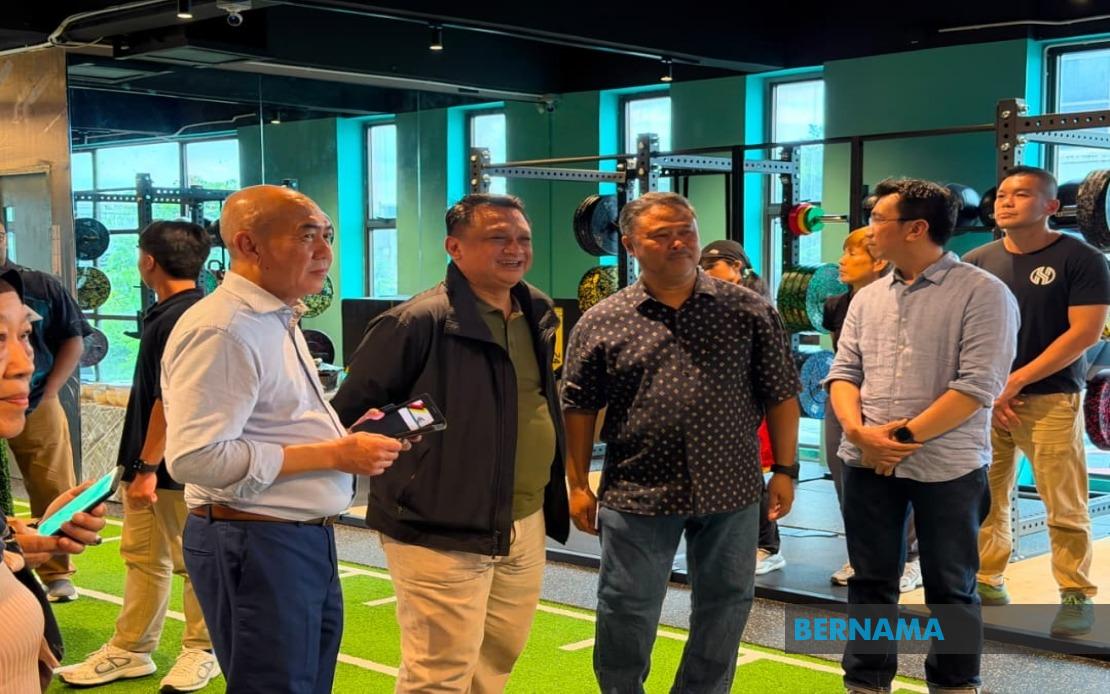
Malaysia's rapidly ageing demographic faces a pressing public health challenge that many seniors and their families remain unaware of: the critical role that targeted muscle-strength exercises play in preventing debilitating falls and fractures. Dr Adibah Ali, owner of FitLab gymnasium in Kuching, is championing a push to educate older Malaysians about how structured resistance training can dramatically improve their safety, mobility, and independence in daily life.
Driven by more than two decades of clinical experience observing elderly patients admitted to hospital wards with serious injuries sustained from falls, Dr Adibah has become convinced that preventive fitness education deserves far greater prominence in Malaysian healthcare conversations. During her years working as a consultant breast and endocrine surgeon, she witnessed repeatedly how falls among seniors result in fractures and extended hospital stays that compromise their quality of life and independence. This observation has motivated her to leverage her gymnasium as a platform for shifting public perception about what exercise means for ageing populations.
The misconception that strength training is primarily the domain of young athletes or bodybuilders remains stubbornly entrenched in many communities across Malaysia and the broader Southeast Asian region. Dr Adibah emphasises that the actual goal for older adults is far more practical and medically sound: building sufficient muscular resilience to protect bones, stabilise joints, and enhance overall mobility. When seniors possess adequate muscle tone and strength, they navigate stairs more confidently, carry groceries safely, and maintain better balance—reducing their vulnerability to falls that can trigger cascading health complications.
Beyond injury prevention, strength training unlocks significant improvements in how elderly people manage routine daily activities that younger populations often take for granted. The ability to rise from a chair without assistance, climb stairs without gripping railings, or carry shopping bags independently represents genuine quality-of-life gains that correlate directly with psychological wellbeing and social engagement. For Malaysian seniors, many of whom live within extended family structures, such functional independence also reduces the caregiving burden on adult children and grandchildren while preserving dignity and autonomy.
Recognising this gap between current awareness levels and the proven medical benefits, FitLab gymnasium plans to establish dedicated fitness classes specifically designed for older adults, tailored to their physical capabilities and health considerations. Dr Adibah has also initiated discussions with Pusat Aktiviti Warga Emas (PAWE)—the Centre for Senior Citizens Activities—to expand accessibility of fitness programmes and integrate strength training into existing community initiatives for seniors. This collaborative approach acknowledges that sustainable behavioural change requires partnerships between private fitness providers, government agencies, and community organisations.
The timing of this initiative aligns with demographic realities that demand urgent policy attention. Sarawak Deputy Minister of Youth, Sports and Entrepreneur Development Datuk Gerald Rentap Jabu highlighted that citizens aged 50 and above represent an increasingly substantial segment of Sarawak's population, a pattern reflected across Malaysia and much of Southeast Asia as birth rates decline and life expectancy improves. Without concurrent investments in preventive health education and accessible fitness infrastructure, healthcare systems face mounting pressure from treatment of fall-related injuries, fractures, and the complex secondary complications that often follow.
Datuk Rentap articulated an important dimension beyond purely physical exercise: the integration of mental stimulation alongside physical activity in programmes targeting seniors. Activities such as chess, which demand cognitive engagement alongside social interaction, foster holistic wellness that addresses both physical frailty and the psychological isolation that sometimes accompanies ageing. This multifaceted approach through PAWE initiatives recognises that older adults benefit from environments that activate their minds and strengthen their social connections while building bodily resilience.
The recent royal visit to FitLab by the Raja Muda of Perlis, Tuanku Syed Faizuddin Putra Jamalullail, accompanied by the Raja Puan Muda of Perlis, Tuanku Dr Lailatul Shahreen Akashah Khalil, and their son Syed Sirajuddin Areeb Putra Al-Haj Jamalullail, underscores official recognition of the importance of senior wellness initiatives. Royal endorsement of such efforts carries symbolic weight in Malaysian society and can catalyse broader cultural shifts in how communities perceive ageing and preventive health.
For Malaysian policymakers, Dr Adibah's advocacy points toward a strategic imperative: investing in preventive fitness infrastructure and education for seniors represents far more cost-effective healthcare spending than treating the consequences of falls. A single serious fall-related fracture in an elderly person often precipitates expensive hospitalisation, rehabilitation, and sometimes permanent loss of mobility—all outcomes that might have been prevented through relatively modest investments in community-based strength training programmes.
The challenge ahead involves translating professional advocacy into sustained, widespread behavioural change across diverse Malaysian communities with varying access to gymnasium facilities, health literacy, and familiarity with structured exercise programmes. However, the convergence of medical evidence, demographic necessity, and emerging institutional partnerships suggests that Malaysian seniors may finally be positioned to receive the preventive fitness attention that decades of clinical experience has proven they desperately need.

