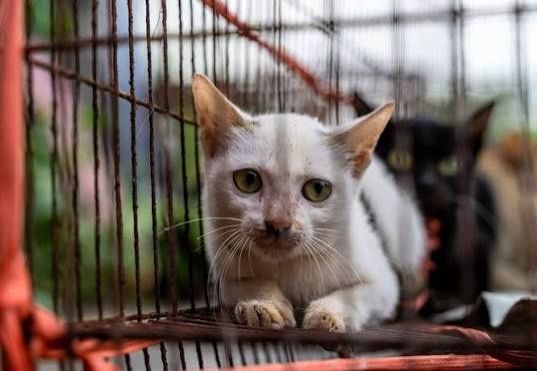
A major criminal operation targeting pet cats in southern Vietnam has been dismantled by Ho Chi Minh City police, resulting in the recovery of more than 400 live animals and the arrest of nine suspects accused of orchestrating the theft scheme. The breakthrough came following weeks of investigating reports of widespread cat disappearances across the metropolis, with authorities ultimately uncovering what officials described as a sophisticated "criminal group specialising in stealing and collecting cats". Animal rights advocates hailed the operation as a significant victory in protecting vulnerable pets, though the rescue has also exposed the grim scale of organised animal theft in the region.
The police operation recovered a staggering haul that extended far beyond simple theft. Investigators seized more than 400 living cats during raids on facilities linked to the gang, alongside 80 additional animals that had already been slaughtered and preserved on ice for sale. A separate location yielded another 21 cats, indicating the scope of the network's operations. The sheer volume of animals involved underscores how industrial the operation had become, suggesting the suspects were not merely engaging in opportunistic theft but had built a systematic pipeline for sourcing cats destined for meat markets.
The arrests came after authorities responded to mounting complaints from residents who had lost beloved pets under suspicious circumstances. According to the Ho Chi Minh City police's official newspaper, the suspects confessed to luring and trapping cats across southern Vietnam over a span of three years, casting the operation as a long-running enterprise rather than a recent phenomenon. This extended timeline suggests that the criminal group had operated with relative impunity for years, accumulating significant numbers of stolen animals before law enforcement's intervention. The persistence of the activity points to weak enforcement of existing regulations despite the legal framework governing animal sourcing.
While the consumption of cats and dogs remains legal in Vietnam, a fact that complicates enforcement and prosecution efforts, the nation's authorities have established requirements intended to regulate the trade. Vendors selling such meat are required by law to provide certificates documenting the origin of the animals they offer. The absence of such documentation for the cats seized during the raids suggests the suspects were operating entirely outside legal channels, stealing household pets and passing them off as legitimately sourced meat—a distinction with serious implications for consumer safety and animal welfare standards across the country.
The immediate aftermath of the rescue has proven bittersweet for animal welfare advocates. Humane World for Animals reported that more than 40 of the rescued cats were successfully reunited with their owners, a process facilitated by microchips and identification records. However, the organisation also disclosed that approximately 100 of the animals recovered during the raids subsequently perished, unable to survive the trauma and harsh conditions they had endured while in the possession of the criminal group. These deaths represent a significant loss even as the operation succeeded in stopping the broader theft and slaughter operation, highlighting the physical and psychological toll of such abuse on the animals involved.
The ongoing challenge extends beyond the immediate crisis of reuniting lost pets with their families. Karanvir Kukreja, representing Humane World for Animals, articulated mounting concerns about the welfare of roughly 100 cats that remain housed at the police station while serving as evidence in the prosecution of the nine arrested suspects. This evidential requirement, while essential for building a strong legal case, has created a de facto holding situation for animals that may face prolonged detention in potentially inadequate conditions. The organisation has taken proactive steps to mitigate suffering by donating food supplies and coordinating the delivery of cooling equipment to prevent heat-related illness among the detained animals during Vietnam's hot season.
The case raises broader questions about urban pet security and animal trafficking networks in Southeast Asia. Vietnam's booming urban centres, with their concentration of affluent pet owners, appear to be attractive targets for organised theft rings seeking to supply meat markets. Unlike theft of other valuable items, pet abduction often goes unreported to police or receives low investigative priority, allowing criminal groups to operate with limited risk of detection. The three-year duration of this particular operation suggests that without specific enforcement focus or public awareness campaigns, such networks can flourish beneath official notice.
The Vietnamese government's willingness to deploy police resources to investigate animal theft, despite the legality of dog and cat meat consumption, indicates shifting societal attitudes toward companion animals in the country. Urban populations, increasingly adopting pets as family members, may be exerting political pressure on authorities to treat such crimes with greater seriousness. This operation may therefore represent both a response to specific community complaints and a broader acknowledgment that Vietnam's regulatory framework must evolve to distinguish between legitimate, certificated meat sources and theft-based supply chains.
For Malaysian and broader Southeast Asian observers, the case serves as a cautionary example of how inadequately regulated meat markets can become conduits for organised crime. Similar concerns have been raised in parts of the region where wildlife trafficking and pet theft intersect with legitimate food production. The incident also underscores the importance of microchipping and registration systems for pets, which proved instrumental in reuniting animals with their owners in Ho Chi Minh City. As urban populations across Southeast Asia continue to embrace pet ownership, establishing robust identification and reporting mechanisms becomes increasingly critical to combating theft rings and ensuring animal welfare standards.
Moving forward, the prosecution of the nine suspects will be closely watched both within Vietnam and across the broader region for signals about how seriously authorities treat organised animal theft. The outcome may influence whether other regional police forces allocate resources to similar investigations or whether they continue to view pet-related crimes as minor matters. The involvement of international animal welfare organisations in supporting the rescue and ongoing care demonstrates how such operations increasingly attract attention from global advocacy networks, potentially influencing enforcement priorities among governments seeking positive international recognition for animal protection efforts.