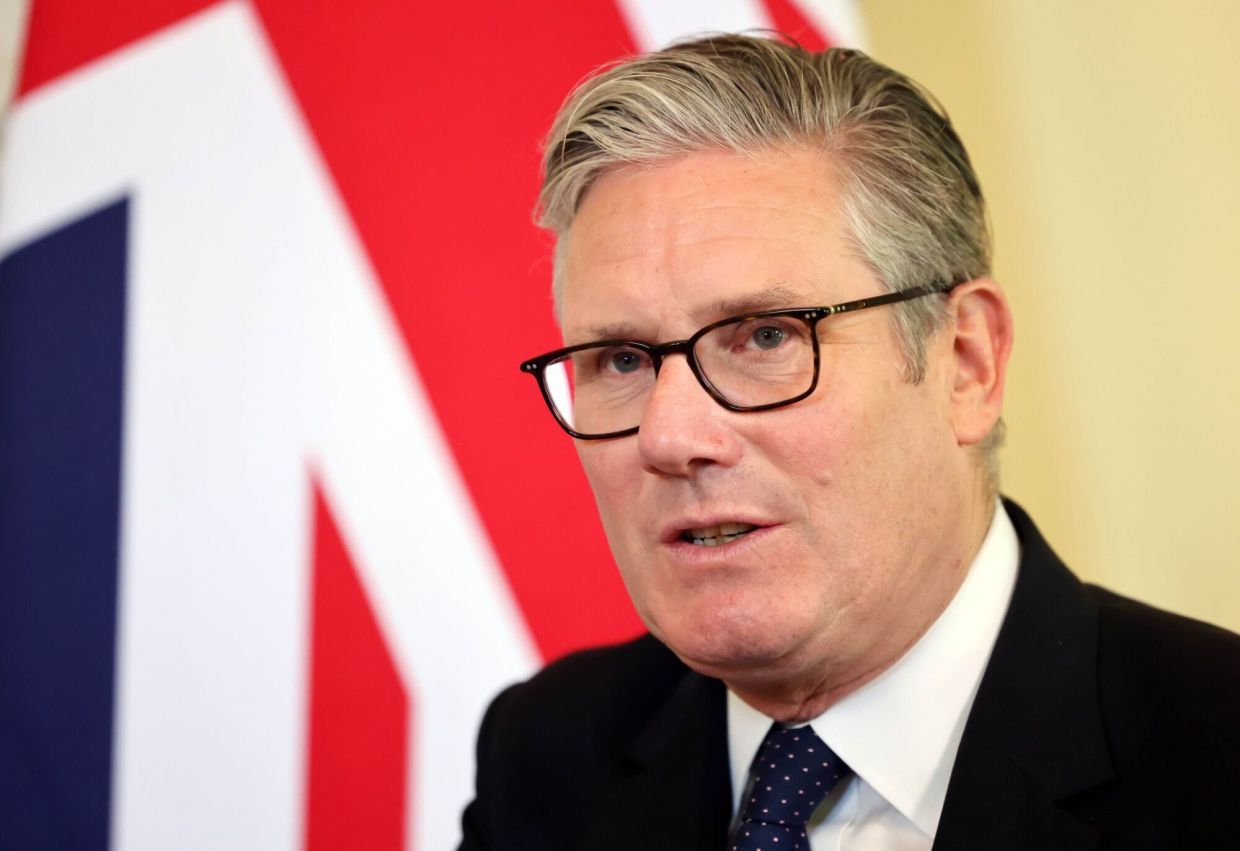
Prime Minister Keir Starmer is set to unveil a comprehensive package of measures to safeguard British teenagers from online risks, with a ban on under-16s accessing major social media platforms taking centre stage. The announcement, expected Monday morning, will also include curfews for older adolescents and stringent rules governing chatbots and online games. Starmer will then travel to Évian-les-Bains, France for a Group of Seven summit, where he faces difficult discussions following recent defence ministry resignations and ongoing questions about military spending.
The proposed restrictions go further than comparable legislation in Australia, where social media restrictions for young people took effect last year. Public backing for such a ban remains strong, though doubts persist about practical enforcement. Starmer framed the decision as a moral stand: "This is a choice about whose side we're on: families across the country, or a status quo that isn't working," he said in a Sunday statement.
Critics argue the government has moved too hastily. Ian Russell, whose teenage daughter died in 2017 after encountering damaging online material, warned it would be "deplorable" if Starmer had rushed the policy to bolster his standing ahead of an anticipated leadership challenge. The public consultation on youth protection mechanisms closed fewer than three weeks ago, and some Labour cabinet members believe the full ban for under-16s was accelerated before Thursday's by-election in Makerfield, northwest England.
The Liberal Democrats have condemned what they call a "half-baked policy" designed primarily to secure political advantage. Speculation centres on Andy Burnham, Starmer's potential rival, who is expected to secure the parliamentary seat at Thursday's special election. A victory over Nigel Farage's Reform UK party could prompt Burnham to mount a leadership challenge, potentially triggering a summer contest for Number 10.
Starmer's position has been weakened by recent departures from his government. Defence Secretary John Healey, junior defence minister Al Carns, and two other ministerial staff resigned last week over inadequate defence spending increases. Healey cited Russia and other security threats as reasons for his departure. Culture Secretary Lisa Nandy indicated Sunday that the government continues seeking savings elsewhere to boost the military budget, telling the BBC that "negotiation is happening as we speak," suggesting Starmer may seek higher defence allocations to honour commitments to allies.