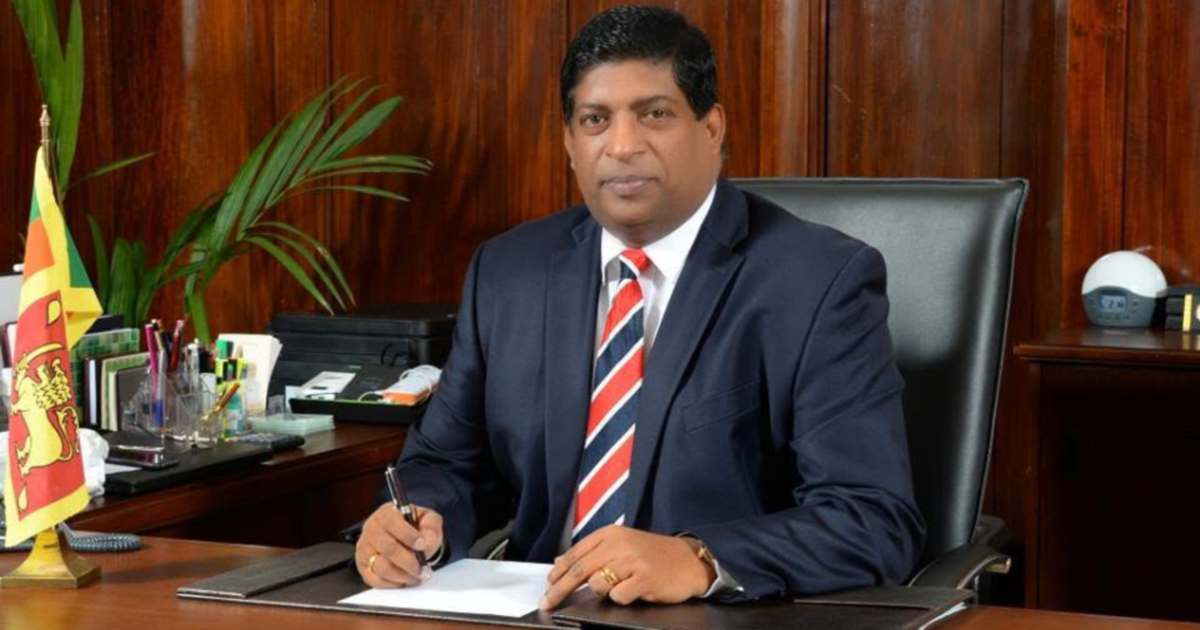
Sri Lanka's former finance minister Ravi Karunanayake found himself in custody on Monday following allegations that he improperly used state resources to finance personal payroll expenditures. The arrest came as the country's primary anti-corruption agency intensified its crackdown on financial impropriety at the highest levels of government, reflecting mounting pressure to address governance concerns that have plagued the island nation.
The specific charge centres on Karunanayake's purported diversion of public money to cover compensation for employees working in his private capacity, a practice that would constitute a flagrant breach of fiduciary responsibility. Such allegations carry particular weight in Sri Lanka's current political climate, where public confidence in institutional integrity has been severely tested by successive economic crises and governance scandals. The case underscores how senior officials may have blurred the boundaries between official duties and personal financial interests.
Karunanayake previously held the crucial finance portfolio during a period when Sri Lanka grappled with significant macroeconomic challenges. His tenure coincided with mounting external debt pressures and currency volatility that would eventually contribute to the nation's unprecedented economic crisis. Given this backdrop, scrutiny of his financial conduct takes on heightened significance, as accountability for fiscal management decisions becomes essential for rebuilding public trust.
The anti-corruption body's move reflects a broader institutional effort to investigate high-level financial misconduct that may have contributed to Sri Lanka's institutional weakening. Such investigations are critical for demonstrating that no official, regardless of rank, stands above the law. The agency's proactive stance signals that Sri Lanka is attempting to address systemic corruption that has long undermined effective governance and resource allocation across government ministries.
For Malaysia and other Southeast Asian nations observing these developments, Sri Lanka's experience offers instructive lessons about the importance of robust institutional oversight mechanisms. The region has seen multiple instances where former senior officials faced legal consequences for financial impropriety, suggesting a growing international norm that high-ranking ministers cannot expect exemption from accountability simply due to their previous positions. The precedent being set in Colombo may influence how other regional governments approach similar cases involving their own former officials.
The timing of Karunanayake's arrest assumes added significance given Sri Lanka's ongoing recovery efforts from its economic emergency. International observers, including creditors and development partners, closely monitor how the government manages corruption cases among its elite. Swift and transparent action against alleged wrongdoing can help restore investor confidence and demonstrate institutional commitment to economic governance reforms that are essential for stabilising public finances and currency markets.
Such high-profile arrests also reflect evolving civil society expectations across South Asia. Citizens increasingly demand accountability from political and bureaucratic elites, particularly when public resources have allegedly been misappropriated. This growing popular pressure creates both challenges and opportunities for judicial independence, as courts must balance public sentiment with ensuring fair legal processes and adherence to due process standards.
The case highlights persistent tensions between political patronage networks and institutional reform agendas that characterise many developing democracies. Officials who occupy powerful positions often cultivate extensive networks of allies and subordinates whose loyalty may depend partly on fiscal benefits. Untangling these relationships and establishing clear boundaries between legitimate government employment and improper subsidy of private retainers requires sustained institutional effort and political will.
For Sri Lanka's credibility restoration project, which remains central to securing continued international financial support and achieving durable economic stabilisation, visible prosecution of corruption cases matters significantly. The International Monetary Fund and bilateral donors assess governance capacity when determining loan disbursements and investment terms. A justice system that credibly investigates and prosecutes high-level financial crimes signals institutional maturity and strengthens Sri Lanka's negotiating position in debt restructuring discussions.
Moving forward, how comprehensively Karunanayake's case proceeds through the judicial system will shape regional perceptions of Sri Lanka's governance trajectory. Malaysian policymakers and observers should monitor whether the investigation successfully establishes whether system-level corruption was endemic during the relevant period or whether wrongdoing was confined to individual actors. This distinction carries implications for understanding how vulnerable developing economies become to crisis-inducing institutional failures.

