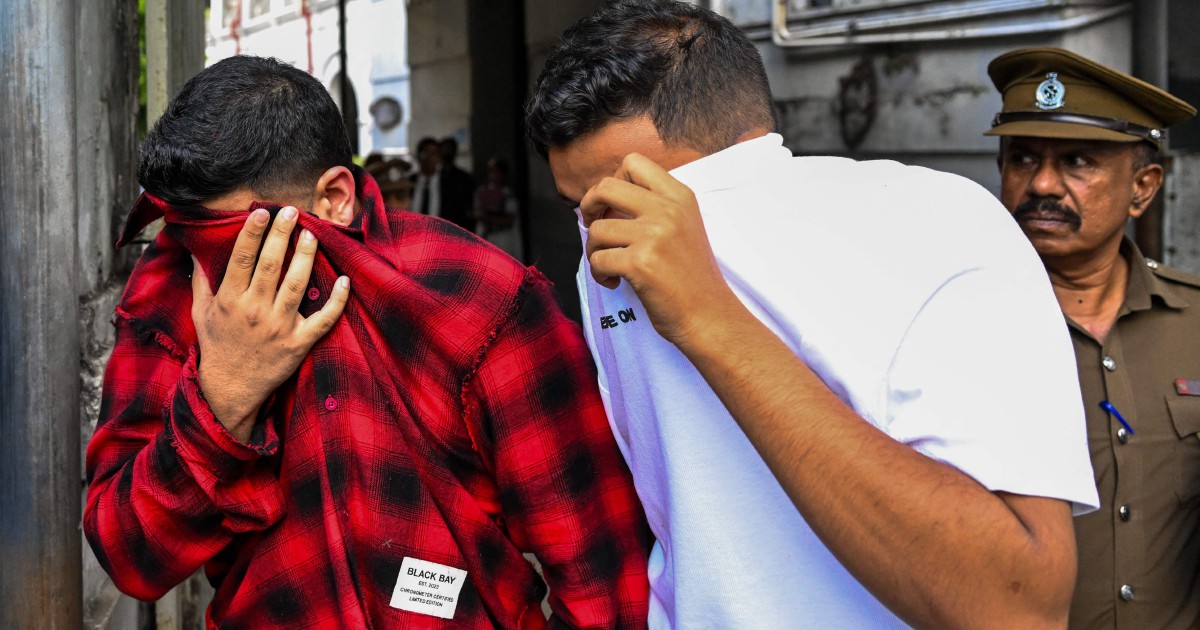
A Colombo court has ordered the continued detention of an Indian businessman who holds joint ownership of a Lanka Premier League franchise, following allegations that he orchestrated a scheme to corrupt players through financial incentives aimed at manipulating match outcomes. The judicial decision, handed down on Friday, mandates that the accused remain in prison custody through the remainder of the calendar month pending further proceedings in what represents a significant blow to the credibility of Sri Lanka's premier domestic Twenty20 competition.
The charges centre on allegations that the co-owner attempted to solicit the involvement of five cricketers in match-fixing arrangements. Such corruption threatens the integrity of professional cricket at a time when South Asia's cricket governance bodies remain vigilant against betting syndicates and illicit wagering networks that have historically targeted the shorter formats of the game. The T20 League, which has emerged as one of Sri Lanka's flagship cricket properties over recent seasons, now faces reputational consequences as investigations unfold.
The detention order reflects Sri Lanka's judicial system taking corruption allegations seriously, particularly within the sporting arena where international cricket bodies have established strict anti-corruption protocols. The International Cricket Council's anti-corruption unit typically cooperates with domestic cricket authorities to investigate and prosecute such offences, underscoring how individual incidents can trigger regional and global scrutiny of tournament governance.
For Malaysian observers of South Asian cricket, the incident underscores broader concerns about player vulnerability in franchise-based leagues across the subcontinent. The proliferation of Twenty20 competitions has created numerous employment opportunities for cricketers, yet simultaneously expanded the surface area for corrupt approaches from betting syndicates seeking to manipulate results. The financial disparities between salaries and potential illicit rewards have occasionally positioned players as targets, particularly those from developing nations or earlier career stages.
The Lanka Premier League has invested considerably in establishing itself as an attractive franchise competition that can compete for viewership alongside the Indian Premier League and Pakistan Super League. Such a high-profile corruption case threatens the tournament's commercial viability, as broadcasters and sponsors evaluate their continued involvement in a property affected by integrity concerns. Investors considering future participation in Sri Lankan cricket ventures will likely demand enhanced due diligence and governance frameworks before committing capital.
The case also highlights the challenges that smaller cricket nations face in maintaining security around their competitions. While Sri Lanka's cricket administration has developed investigative mechanisms, the transnational nature of modern match-fixing—where conspirators may operate across multiple jurisdictions—complicates enforcement efforts. The involvement of an Indian national charged with attempting to corrupt Sri Lankan players suggests the increasingly borderless character of cricket corruption networks across South Asia.
Previous match-fixing scandals have demonstrated that corruption investigations frequently extend beyond initial arrests, potentially implicating additional officials, intermediaries, and possibly players across multiple competitions. The Colombo court's decision to maintain custody rather than release the accused on bail signals judicial confidence that substantive evidence exists, though the full scope of any conspiracy remains unknown pending formal trial proceedings.
For Sri Lankan cricket, this development arrives at a moment when the sport represents an important revenue source and employment channel. Recent performances in international competitions have renewed investment in domestic cricket infrastructure, making incidents that undermine public confidence in the sport's legitimacy particularly damaging. Recovery of institutional credibility will depend partly on how transparently the investigation unfolds and whether all implicated parties—regardless of status or nationality—face consistent accountability.
The detention decision also has implications for Indian investors considering opportunities in South Asian cricket markets. While most cross-border investment flows unproblematically, high-profile cases involving alleged corruption can trigger heightened regulatory scrutiny and reputational risks for legitimate business operators. Insurance and governance frameworks around cricket investments may tighten considerably in response.
As the remand period extends through month-end, the investigation will likely progress toward specific charges and possible evidence disclosure hearings. The ultimate outcome—whether conviction, acquittal, or negotiated resolution—will substantially influence not only this individual's fate but also shape policy responses within Sri Lankan cricket administration regarding ownership structures, due diligence procedures, and corruption prevention mechanisms across the franchise ecosystem.

