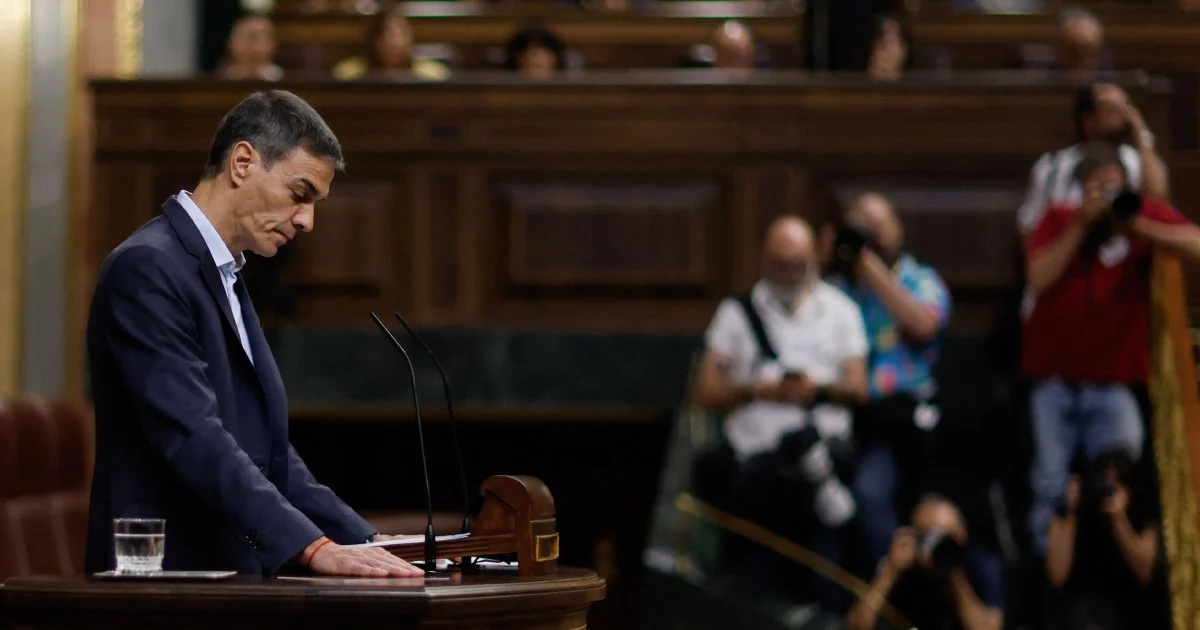
Spanish Prime Minister Pedro Sanchez moved swiftly this week to contain political fallout from a corruption case that has ensnared one of his closest aides, rejecting characterisations of the scandal as evidence of pervasive wrongdoing within his party. The imprisonment of the former aide in connection with graft allegations represents a significant blow to Sanchez's administration, which has already navigated considerable political turbulence throughout its tenure. With the Socialist government's parliamentary majority fragile and dependent on support from smaller parties, the timing of this legal development threatens to amplify calls from opposition lawmakers demanding greater accountability.
The case centres on serious allegations that have attracted intense scrutiny from Spanish media and political opposition. By distancing his party from suggestions of institutionalised corruption, Sanchez appears to be adopting a defensive posture that emphasises the allegedly exceptional nature of the individual case rather than systemic failings. This distinction carries significant weight in Spanish political discourse, where governments have previously survived individual scandals while falling to broader narratives of institutional decay. The Prime Minister's strategy suggests confidence in his ability to compartmentalise the affair, though such efforts have proven fragile in previous Spanish political crises.
For Malaysian observers monitoring political governance across democratic systems, Spain's situation offers instructive parallels regarding the relationship between legal proceedings, media narrative, and governmental legitimacy. The willingness of a prime minister to explicitly deny allegations of widespread corruption, rather than remaining silent or expressing measured concern, indicates the seriousness with which Spanish political elites view public perception. The case also demonstrates how single prosecutions can threaten broader political coalitions when parliamentary majorities depend on maintaining trust among multiple parties.
Spain's political landscape has grown increasingly unstable since the 2023 general elections, which produced a fragmented parliament where no single party commanded a majority. Sanchez's Socialists secured the largest bloc but required negotiating support from regional parties and leftist allies to form and maintain a government. Any perception that corruption undermines the integrity of the administration provides ammunition for coalition partners contemplating withdrawal of support, a scenario that could precipitate early elections or force the government's resignation.
The imprisoned aide held considerable influence within the Socialist party infrastructure and enjoyed direct access to the Prime Minister, making this case particularly sensitive. The individual's role encompassed policy implementation and party coordination, suggesting that their misconduct occurred within institutional contexts that Sanchez's government oversees. This proximity to power explains why opposition parties have seized upon the conviction as evidence of governance failures, though prosecutors would need to establish direct complicity of political leadership to substantiate claims of systematic party-wide corruption.
Spanish courts have increasingly shown willingness to prosecute high-ranking political and business figures, a trend that reflects both genuine commitment to rule of law and periodic moral panics about corruption. Previous Spanish governments have faced similar pressures, with some administrations collapsing partially due to accumulated legal vulnerabilities among their membership. The Socialist party itself has historical experience with corruption allegations, though leadership has sought to establish itself as reformed and committed to institutional accountability since returning to office.
Sanchez's public denial strategy relies partly on distinguishing individual criminal behaviour from systemic party failures. Legal experts note that single prosecutions, regardless of seniority of the convicted individual, do not necessarily establish patterns of organisational corruption unless corroborating evidence suggests deliberate party structures facilitating illegal conduct. The Prime Minister's framing thus contains technical legal accuracy, though political opponents dismiss such distinctions as semantic evasion.
The case arrives during a period when Spanish governance faces multiple pressures including regional independence movements, economic concerns, and broader European political instability. Adding corruption allegations to this burden complicates Sanchez's ability to focus on legislative priorities and policy implementation. Coalition partners who initially supported the Socialist government may grow restless if public confidence in administration integrity deteriorates, particularly if additional legal proceedings surface.
For Spain's relationship with European Union institutions, corruption allegations among governing parties carry diplomatic weight. Brussels monitors member state governance, and patterns of elite misconduct influence EU assessments of judicial independence and institutional strength. Sanchez therefore faces incentives to demonstrate both that corruption remains exceptional rather than systemic and that Spanish courts are functioning effectively to prosecute wrongdoing.
The broader question confronting Spanish society involves distinguishing between normal political accountability—where individual officials face legal consequences for misconduct—and corrosive institutional failure where corruption becomes normalised and tolerated. How Sanchez and Spanish institutions navigate this case will influence public trust in democratic processes and may determine whether his government survives to complete its term. The coming months will reveal whether this scandal becomes contained as an isolated incident or metastasises into a governance crisis affecting the administration's longevity.

