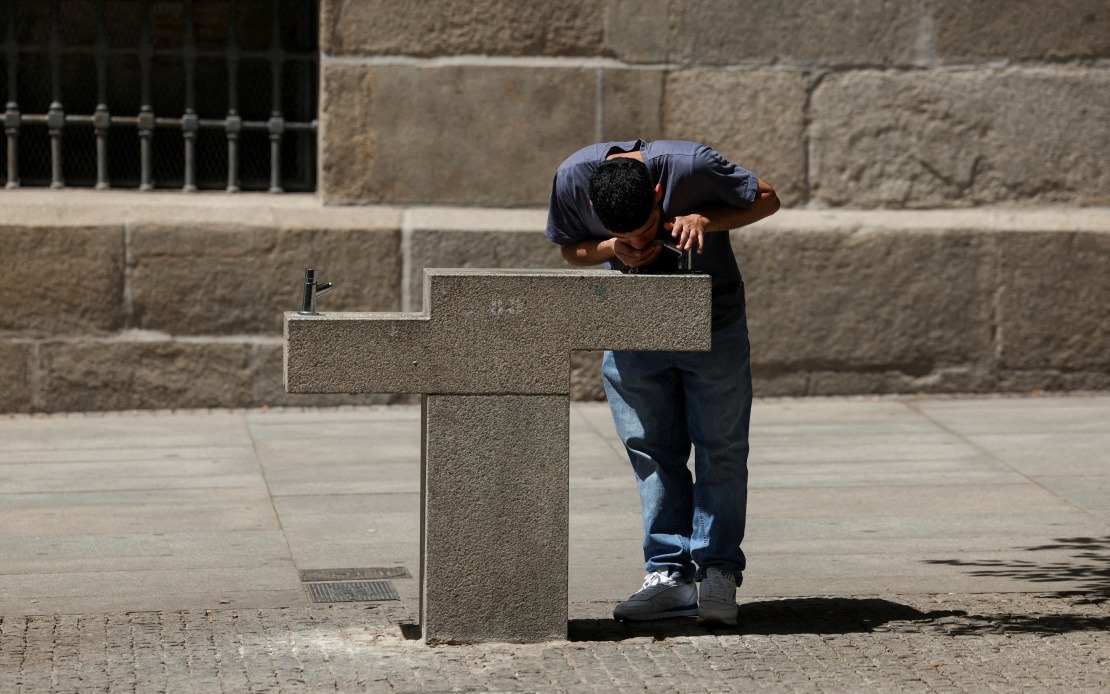
Spain confronted a devastating toll from sustained heat exposure in June, with health officials attributing 1,029 deaths directly to elevated temperatures during what became the nation's second-hottest June since systematic record-keeping started. The figure, calculated by Spain's Daily Mortality Monitoring System coordinated through the Carlos III Health Institute's National Epidemiology Centre, encompasses not only fatalities from acute heatstroke but also premature deaths among vulnerable populations whose underlying medical conditions deteriorated fatally under extreme thermal stress.
The meteorological context illuminates the severity of the crisis. Measurements compiled by the Spanish State Meteorological Agency showed that peninsular Spain experienced an average 24-hour temperature of 24.9 degrees Celsius throughout June, ranking as the second-highest since systematic temperature records commenced in 1961. Only the preceding year's June, which recorded 25.2 degrees Celsius, surpassed this threshold, indicating an alarming acceleration of heat intensity year-over-year across the Iberian Peninsula.
June 2024 delivered a particularly harrowing climactic milestone when Spain experienced its hottest single day on record. On June 23, the nationwide average 24-hour temperature climbed to 29.6 degrees Celsius, while peninsular regions documented peak daytime averages of 38.2 degrees Celsius, precisely matching the maximum temperature recorded during the previous year's extreme event. This consistency at record levels suggests that Spain has entered a new thermal regime rather than experiencing isolated anomalies.
The intensity of this heat episode manifested across multiple measurements simultaneously. Between June 20 and 24, meteorological stations throughout Spain registered 316 provisional local temperature records, with 148 representing new maximum temperature thresholds and 168 documenting unprecedented minimum nighttime temperatures. The prevalence of record-breaking minimum temperatures carries particular public health significance, as populations gain insufficient relief during evening hours to recover from daily heat exposure, preventing physiological recovery mechanisms from functioning adequately.
Population-level exposure statistics reveal the geographic breadth of the health emergency. On June 23 alone, approximately 35.7 million people—roughly 73 per cent of Spain's total population—faced documented health risks attributable to high temperatures according to calculations derived from the Health Ministry's Meteosalud alert system cross-referenced with official population data. This means that nearly three-quarters of all Spanish residents simultaneously experienced dangerous thermal conditions, stretching healthcare and emergency response infrastructure across an entire nation.
The deaths attributed to heat represent a multifaceted public health challenge with implications extending far beyond simple mortality statistics. The monitoring system captures both direct fatalities from conditions like heatstroke and exacerbation deaths, where pre-existing cardiovascular, respiratory, or renal conditions become fatal when combined with thermal stress. This distinction matters critically for understanding vulnerability patterns, as heat-related mortality typically concentrates among elderly populations, those with chronic illnesses, individuals in lower socioeconomic circumstances lacking adequate cooling resources, and workers exposed to occupational heat stress.
Spain's experience carries urgent relevance for Southeast Asian nations, where tropical and subtropical climates already expose populations to sustained high temperatures. The Spanish data demonstrates that even wealthy developed nations with established healthcare systems struggle to prevent substantial mortality during extreme heat events. For Malaysia and neighbouring countries already operating near the upper boundaries of human thermal tolerance, similar or potentially more severe episodes could overwhelm existing medical capacity. Urban heat island effects in expanding metropolitan areas across the region compound these risks, particularly affecting the poor and elderly who lack access to air conditioning.
The acceleration evident in consecutive years of record-breaking temperatures points toward systematic climate trend intensification rather than natural variability. Spain's progression from historical records to breaching those same records in immediate succession reflects broader European warming patterns driven by atmospheric circulation changes and planetary heat accumulation. This trajectory suggests that what constitutes an extraordinary event in one year risks becoming a recurring occurrence within a decade, necessitating fundamental adaptations to infrastructure, healthcare planning, and occupational safety standards.
Municipal and national authorities across Europe have begun implementing heat emergency protocols including designated cooling centres, targeted outreach to vulnerable elderly populations, workplace heat stress regulations, and public communication campaigns. Malaysia's tropical climate means such measures require customisation to local contexts, including attention to urban cooling in densely populated areas, protection for agricultural workers and construction labourers exposed to occupational heat, and particular safeguards for informal sector workers lacking regulatory protections. The Spanish experience demonstrates that reactive emergency responses, while necessary, prove inadequate without parallel investments in long-term climate adaptation infrastructure and public health resilience.
The convergence of demographic ageing across Europe and Asia with intensifying heat extremes creates a compounding vulnerability dynamic. Spain's population, like Malaysia's, includes growing proportions of elderly citizens with elevated heat sensitivity due to physiological changes and medication interactions. Developing comprehensive heat health action plans requires coordination across multiple sectors—healthcare, urban planning, occupational safety, social services—rather than isolated responses by individual institutions.
Looking forward, Spain's June 2024 experience serves as a cautionary baseline for Southeast Asian policymakers. The 1,029 attributed deaths occurred despite Spain's advanced warning systems, established healthcare infrastructure, and cultural awareness of heat risks. Regions facing greater population density, less developed cooling infrastructure, higher poverty rates, and more constrained healthcare resources cannot assume similar preparedness would limit comparable heat episodes to comparable mortality figures. Investment in heat adaptation, cooling accessibility, and public health surveillance represents not merely environmental policy but essential human security infrastructure.

