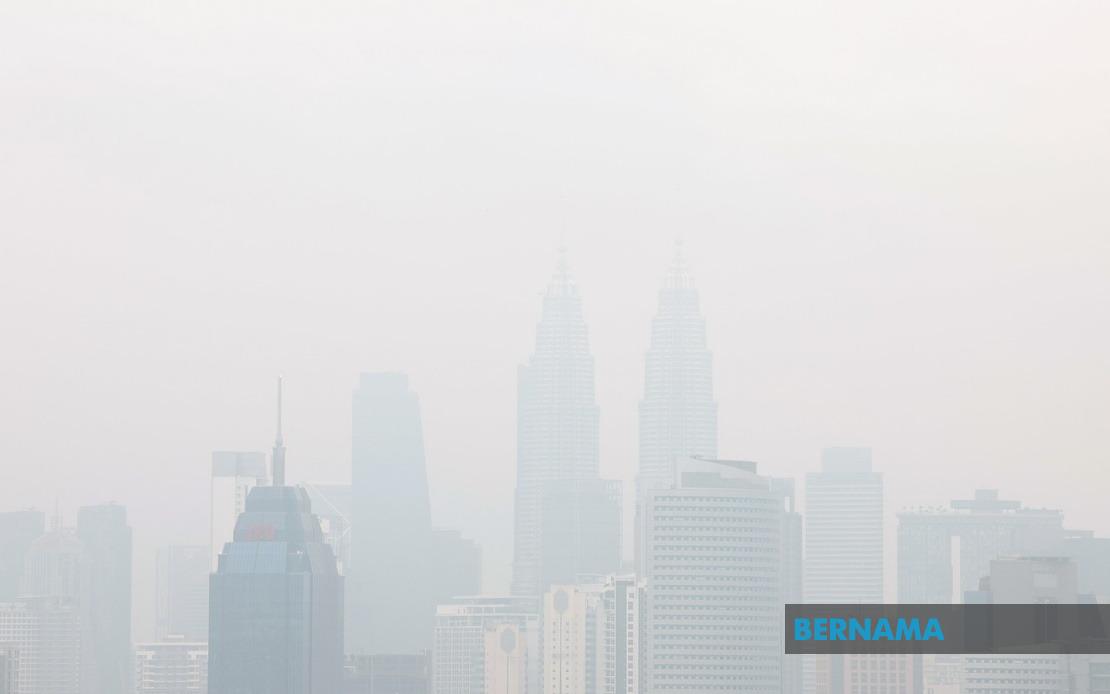
Regional meteorological authorities have raised concerns that prolonged drought conditions sweeping across southern ASEAN could significantly worsen existing air quality problems in the coming week, with Malaysia's Peninsular regions and Sarawak already registering dangerously high pollution levels. The ASEAN Specialised Meteorological Centre issued the alert on Wednesday following observations of dense smoke accumulation over critical zones in Indonesian Borneo and Sumatra, signalling a potential escalation in the transboundary haze phenomenon that periodically affects the broader Southeast Asian region.
According to ASMC assessments, moderate to dense smoke plumes have been identified across West, Central, and South Kalimantan alongside the central and southern sections of Sumatra, with scattered and isolated hotspot clusters documented throughout Indonesian territory. The meteorological body specifically warned that if current arid weather patterns persist unchanged, there exists a meaningful risk that smoke haze could intensify further and spread across national boundaries to affect neighbouring nations. This cyclical seasonal challenge has historically disrupted regional air quality and public health during comparable periods of atmospheric stability and reduced precipitation.
Within Malaysia's borders, the situation has already reached critical levels in several populated areas. As of Wednesday morning, seventeen distinct locations across six states plus two Federal Territories registered unhealthy Air Pollutant Index measurements according to the Air Pollutant Index Management System. Western regions of Peninsular Malaysia have been particularly affected, mirroring patterns typically seen when atmospheric circulation systems direct Indonesian smoke northwestward across the Straits of Malacca toward Malaysia's western coast.
Sarawak's eastern divisions reported the most severe pollution concentrations among Malaysian territories. Three separate monitoring stations across the state recorded unhealthy air classifications, with Sri Aman registering the day's highest Malaysian reading of 167, trailed by the Serian district police headquarters checkpoint at 166 and the Samarahan monitoring zone at 162. These elevated measurements in Sarawak suggest that wind patterns have successfully transported significant smoke masses across the South China Sea toward Malaysian Borneo, indicating the cross-regional atmospheric connectivity of this environmental crisis.
Malaysian states on the peninsula experienced similarly concerning air quality metrics across their respective monitoring networks. Selangor, home to the nation's commercial heartland and largest urban agglomeration, recorded multiple unhealthy readings, as did the capital Kuala Lumpur and its immediate surroundings. The widespread nature of unhealthy classifications spanning Negeri Sembilan, Johor, Melaka, Perak, and Putrajaya underscores the scale of transboundary pollution affecting Malaysian airspace, potentially impacting millions of residents and imposing public health considerations for vulnerable populations.
The ASMC's meteorological analysis identifies prevailing atmospheric circulation patterns as a critical variable in the haze situation's trajectory. Current wind systems over southern ASEAN are anticipated to maintain southeasterly to southwesterly directions throughout the forecast period, creating conditions that may perpetuate smoke transport from Indonesian fire zones toward Malaysian territory. These wind patterns have historically demonstrated capacity to channel Indonesian fire emissions across regional boundaries for extended durations when supporting weather systems remain entrenched.
Singapore's situation presents a relatively more favourable comparison with Malaysian conditions, though the city-state remains subject to potential deterioration should current trends accelerate. The National Environment Agency reported that Singapore's 24-hour Pollutant Standards Index readings ranged between 59 and 78 as of Wednesday afternoon, maintaining classifications within the moderate air quality band rather than unhealthy categories. The central region of Singapore registered the highest measurements among its monitoring network, suggesting proximity to primary smoke transport corridors, though overall readings remain substantially lower than Malaysian equivalents despite geographic proximity to Indonesian fire zones.
The haze situation reflects broader environmental vulnerabilities that characterise Southeast Asia's geography and political economy. Indonesia's agricultural and land-use practices, particularly peatland conversion and seasonal burning for farming preparation, periodically generate transnational air pollution externalities that neighbouring states cannot unilaterally control. This structural interdependency between Indonesian land management and regional air quality has generated persistent diplomatic tensions, with Malaysia and Singapore frequently calling for enhanced Indonesian enforcement against illegal burning activities during dry seasons.
For Malaysian authorities and residents, the current episode underscores the necessity of implementing contingency protocols during high-risk meteorological windows. Public health bodies typically recommend that vulnerable populations including children, elderly individuals, and persons with respiratory conditions limit outdoor exposure and remain indoors when unhealthy classifications are recorded. Schools and workplaces across affected regions may face operational disruptions should air quality continue deteriorating, particularly in Sarawak where readings have approached or exceeded very unhealthy thresholds.
The persistence of dry conditions across southern ASEAN introduces economic dimensions beyond immediate public health considerations. Transportation sectors including aviation may experience visibility-related disruptions if smoke density increases, while manufacturing and construction activities in affected areas could face interruptions due to worker protection protocols. Tourism industries across Malaysia and regional destinations may experience reduced visitor activity as travellers avoid periods of poor air quality, representing additional economic consequences of transboundary pollution phenomena.
Looking forward, the meteorological outlook remains contingent upon whether rainfall systems materialise within the affected region within coming days. ASMC analysis suggests that the haze trajectory will continue following its current intensification pathway absent significant precipitation to suppress active hotspots and clear atmospheric smoke concentrations. Regional governments have historically coordinated emergency response protocols during comparable episodes, including public advisories regarding outdoor activity restrictions and air quality monitoring station updates.

