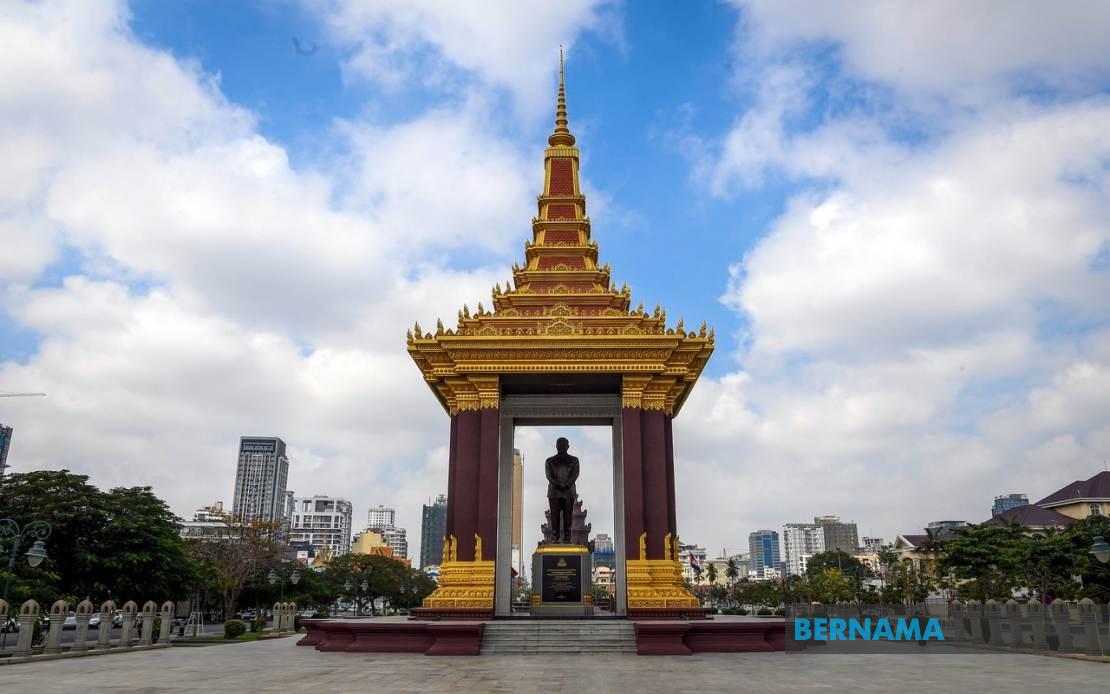
China has once again moved to cement its ties with Cambodia, with Premier Li Qiang describing the bilateral relationship as an unwavering diplomatic cornerstone during high-level talks with Cambodian Prime Minister Hun Manet. The emphasis on "ironclad" friendship underscores Beijing's sustained commitment to maintaining its strongest partnerships within Southeast Asia, even as regional geopolitics shift and countries diversify their international alignments. For Malaysia and other neighbouring nations, such solidified bonds between major powers and individual ASEAN members serve as a reminder of the complex web of great power competition that characterises the region's strategic landscape.
Cambodia's decision to become a founding signatory to the Agreement on the Establishment of the World Artificial Intelligence Cooperation Organisation, announced in Shanghai, positions the kingdom at the forefront of global governance structures for emerging technologies. This move reflects a broader regional trend whereby Southeast Asian governments seek meaningful participation in frameworks that will shape technological standards and digital policy worldwide. By securing a voice in AI governance at an early stage, Cambodia joins other forward-thinking nations in preparing domestic regulatory environments and workforce development strategies for an artificial intelligence-driven future.
Indonesia's incoming administration under President Prabowo Subianto has unveiled an aggressive energy transition roadmap centred on biofuel expansion and electric vehicle manufacturing. The plan to construct up to 50 new ethanol plants across the archipelago aims to transform the nation into a regional hub for sustainable fuels, particularly through the E20 programme which requires a 20 percent bioethanol blend in fuel supplies. This initiative capitalises on Indonesia's agricultural potential whilst simultaneously reducing dependence on fossil fuel imports and creating employment opportunities in rural communities. For ASEAN as a collective, such momentum towards renewable energy adoption strengthens the region's climate credentials and reduces vulnerability to volatile global oil markets.
Paralleling its biofuel ambitions, Indonesia has committed to developing a national electric motorcycle to bolster its automotive manufacturing sector and promote cleaner transportation options. Rather than simply importing technology, this domestically-led approach to electric vehicle development reflects confidence in local engineering capabilities and a desire to capture value-added production within the country. The initiative also sends a signal to consumers that sustainable mobility need not be a luxury commodity, potentially accelerating adoption rates across Southeast Asia's growing middle class.
Myanmar's government has outlined an integrated coastal management strategy premised on green, blue, and circular economic principles, aiming to safeguard marine ecosystems whilst enabling communities dependent on fisheries and tourism to prosper sustainably. Such holistic approaches recognise that environmental protection and economic development need not be competing priorities. Alongside this, the deployment of the MSME Development Fund to support cotton industry expansion demonstrates how targeted lending programmes can revitalise agricultural supply chains and empower smallholder producers to invest in processing machinery and higher-value activities.
Philippine weather forecasters anticipated generally fair conditions across the archipelago on the referenced Saturday, with isolated showers stemming from the southwest monsoon and localised thunderstorms presenting minor disruptions. Meanwhile, the Philippine Basketball Association's competitive landscape saw unbeaten Blackwater and Converge grab equal footing in the Season 50 Governors' Cup, reflecting the sustained popularity of professional sports in capturing national attention and civic engagement alongside weightier policy matters.
Singapore's Central Narcotics Bureau conducted a substantial islandwide anti-drug enforcement sweep resulting in the apprehension of 100 individuals suspected of drug-related offences and the confiscation of narcotics valued at more than S$34,000. Such operations underscore the city-state's zero-tolerance approach to organised drug trafficking and its commitment to public safety through persistent law enforcement vigilance. Concurrently, Prime Minister Lawrence Wong reaffirmed the foundational importance of mother tongue language education within Singapore's multicultural framework, characterising linguistic heritage as an essential conduit to cultural values and communal identity.
Thailand witnessed a remarkable achievement when Grade 3 pupil Pavin Pattanavekin claimed dual world top rankings in a prestigious international coding competition held in Rome, alongside additional accolades in mathematics and science. Such individual excellence reflects the region's emerging strength in cultivating young talent across STEM disciplines, essential for competing within a technology-dependent global economy. The recognition that primary-level students can achieve international distinction opens pathways for broader educational innovation across Southeast Asia.
Yet economic realities present formidable headwinds for many regional workers and informal sector participants. Thailand's Commerce Ministry proposed a 40-baht khao kaeng scheme intending to cushion living expenses, but the initiative inadvertently exposed a persistent problem: informal food vendors throughout the kingdom already operate at razor-thin margins, supplying comparable meals at subsidised prices without government assistance. This dynamic illustrates how well-intentioned policy interventions sometimes overlook existing market realities and the structural vulnerabilities facing informal economies across Southeast Asia. Addressing such inequities requires understanding ground-level economic conditions before designing top-down solutions, a principle applicable throughout the region as governments pursue inclusive growth agendas.

