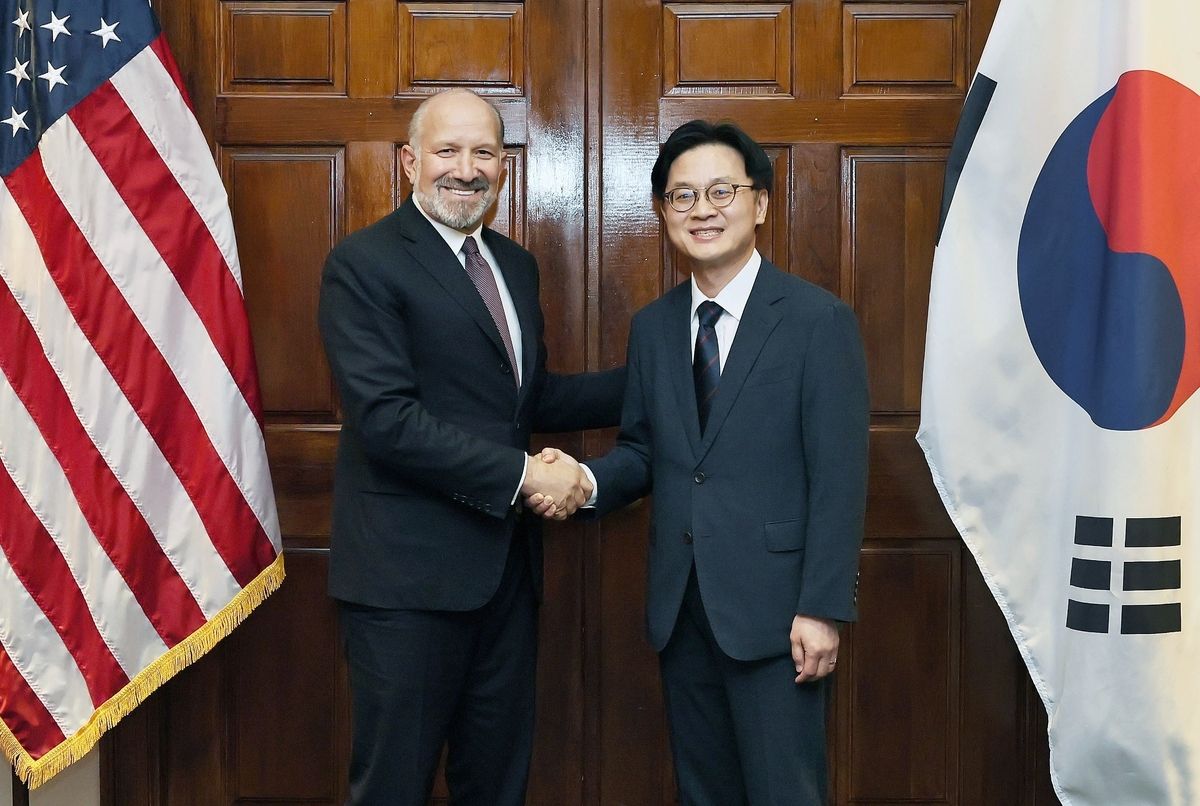
South Korea's Industry Minister Kim Jung-kwan is travelling to Washington this week for high-level discussions with American trade and commerce officials, arriving as Seoul prepares for what could be significant additional tariffs on its exports. The timing of the visit reflects growing concerns among Korean policymakers about the direction of US trade policy and the potential economic consequences for one of Asia's most trade-dependent economies. The minister's meetings, scheduled from July 22 to 25, represent a deliberate diplomatic effort to smooth trade relations before Washington announces the results of its Section 301 investigation into alleged unfair trade practices.
The anticipated US tariff announcement centres on an investigation into forced labour practices embedded in international supply chains, a scrutiny that Seoul views with considerable apprehension given the interconnected nature of Korean manufacturing sectors with American markets. Local media reports suggest these tariffs could substantially increase pressure on South Korean exporters across multiple industries, from automotive components to electronics and chemicals. For Malaysia and other Southeast Asian nations that compete directly with Korea in several export categories, any tariff actions taken against Seoul may signal a broader shift in American trade enforcement that could equally affect regional manufacturers.
Kim's primary official objective involves attending the opening ceremony Thursday of the South Korea-US Shipbuilding Partnership Center in Washington, an initiative that underscores both nations' commitment to deepening industrial cooperation despite mounting trade tensions. The centre emerged from a May agreement between Seoul's trade ministry and the US Commerce Department, establishing a formal institutional framework for collaboration between shipbuilders in both countries. This project holds particular significance for Korea, whose shipbuilding sector remains globally competitive and dependent on maintaining access to American markets and technology partnerships.
Beyond the shipbuilding initiative, the minister plans extensive meetings with US Commerce Secretary Howard Lutnick to discuss South Korean strategic investment opportunities within the United States. These conversations will likely focus on how Korean companies can position themselves as crucial partners in American supply chain diversification—a priority the Biden administration has consistently emphasised. By demonstrating substantial Korean investment commitments to US operations, Seoul aims to convince American policymakers that strong bilateral economic ties transcend trade friction and serve mutual strategic interests.
Energy cooperation forms another pillar of Kim's diplomatic agenda, with scheduled conversations between the minister and US Energy Secretary Chris Wright on resource security and renewable energy development. This angle reflects broader geopolitical realities in Northeast Asia, where energy security remains a persistent vulnerability for resource-poor Korea. American natural gas exports and rare earth mineral cooperation have become increasingly important to Seoul's long-term industrial strategy, making energy discussions central to bilateral relations regardless of trade disputes.
Kim's outreach to members of Congress represents a critical component of Seoul's broader influence strategy within Washington's political ecosystem. Congressional leaders hold considerable sway over trade policy implementation and can affect the severity of tariff applications. By directly engaging with lawmakers across both parties, South Korea seeks to build political support for maintaining stable trade relations and to counter narratives portraying Korean manufacturers as unfair competitors. This grassroots diplomatic approach complements official government-to-government negotiations.
The minister also intends to advance implementation of a June law enacted by Seoul that provides financial incentives and regulatory support for South Korean companies investing in American projects. This legislation reflects a deliberate policy shift toward capital deployment in the US market, partly motivated by the need to insulate Korean businesses from tariff exposure and partly driven by strategic considerations around supply chain resilience. Companies investing substantially in American operations gain legitimate claims to preferential treatment under US trade rules and gain political goodwill among American constituencies.
For regional observers, South Korea's diplomatic intensity regarding trade tensions offers important lessons about managing relationships with a protectionist-minded Washington administration. The multi-track approach combining industrial partnership expansion, energy cooperation, congressional engagement, and capital investment demonstrates how countries can leverage non-tariff tools to influence trade outcomes. Malaysia and other ASEAN nations facing similar US trade pressures might consider comparable strategies emphasising investment, technology partnerships, and political relationship-building rather than relying exclusively on formal negotiating channels.
The underlying challenge facing Seoul remains structural: the Biden administration has shown consistent commitment to using trade investigations and tariffs to address perceived unfair practices, regardless of friendly diplomatic relations. Korea's position as a developed ally provides some protective advantage compared to other exporters, yet also creates expectations that Seoul should align more closely with American strategic objectives in Indo-Pacific geopolitics. Kim's visit must therefore balance defending Korean commercial interests with demonstrating broader commitment to American security and economic priorities in the region.
Seoul's explicit commitment to implementing existing tariff agreements and maintaining trade stability signals its preference for managed competition rather than escalatory trade conflict. This posture suggests the Korean government believes sustained dialogue and demonstrated commitment to bilateral partnership represent the most effective response to American trade pressures. Whether this diplomatic approach succeeds in moderating the anticipated Section 301 tariffs will significantly influence how Seoul and other Asian exporters calibrate their responses to continued American trade nationalism.

