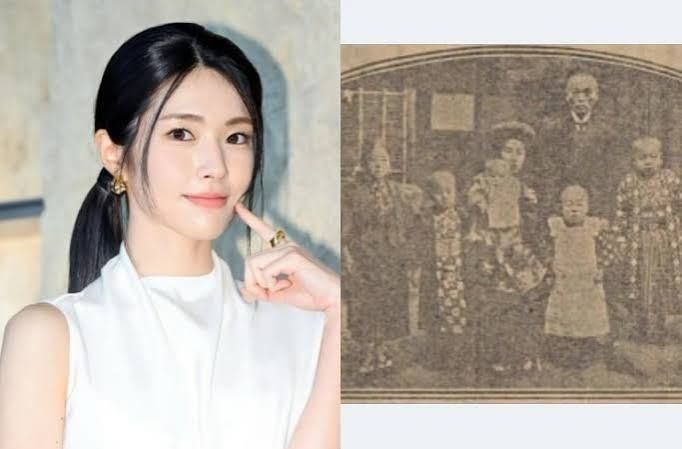
The discovery that actress Ahn Ha-young's great-grandfather may have collaborated with Japanese colonial authorities has ignited far more than a celebrity scandal. In recent days, South Korea's primary genealogy portal has been overwhelmed by citizens eager to examine their own family trees, suggesting the controversy has touched a deeper nerve about historical accountability and family honour that resonates across the nation.
The genealogy website, whose Korean name translates loosely as "in search of roots," experienced such severe congestion following the controversy that its servers crashed repeatedly during the evening of August 12 and continued to buckle under the strain into August 13. The unprecedented traffic surge underscores how powerfully questions about ancestral conduct—particularly behaviour during Japan's 35-year colonial occupation from 1910 to 1945—continue to grip the South Korean imagination. The platform typically serves as a trusted resource for tracing family origins and understanding lineage histories, but has now become an instrument for Koreans to verify whether their own forebears collaborated with the colonial regime.
Ahn Ha-young had previously spoken with pride about her ancestor Ahn Sang-ho on television, describing him as a pioneering physician who established Seoul's first Western-style medical clinic and served as personal doctor to Emperor Gojong, the late 19th and early 20th century ruler who reigned from 1852 to 1919. This narrative of ancestor-as-national-benefactor represented precisely the kind of family legacy most Koreans aspire to claim. However, when social media users began circulating allegations that Ahn Sang-ho had maintained connections to pro-Japanese collaborators during the occupation, the carefully constructed family story began to unravel. The actress's agency initially rejected these accusations, a defensive response that paradoxically intensified public interest in the historical record.
The genealogy database contains detailed information on 287 distinct family lineages across South Korea, cataloguing their origins, historical significance, and contemporary population figures. Such repositories serve as crucial infrastructure for understanding Korean family structures, which remain remarkably complex and historically layered. Surname and clan associations carry enormous social weight in Korean culture, and many families maintain elaborate genealogical records stretching back centuries. Yet these same records can become sources of shame if they reveal wartime collaboration, making them simultaneously invaluable and potentially dangerous to examine.
When Ahn Ha-young finally issued a public apology on August 12, she acknowledged her ignorance of her family's historical involvement and expressed regret for having promoted this narrative without adequate scrutiny. The statement represented a calculated acknowledgment that in contemporary South Korea, questions of ancestral conduct during colonialism cannot be dismissed as merely historical matters. Rather, they carry weight in how public figures present themselves and maintain their reputations. Her contrition suggested a recognition that pride in family achievement must be tempered by honest reckoning with uncomfortable truths.
The timing of this controversy proves particularly loaded, arriving mere days before South Korea's August 15 Liberation Day, the national holiday commemorating the country's independence from Japanese rule in 1945. This proximity transforms what might otherwise be a contained celebrity embarrassment into a broader cultural moment about national memory and historical justice. Liberation Day carries the weight of collective trauma and pride—it marks the moment Koreans reclaimed sovereignty after decades of subjugation—making questions about who collaborated with oppressors especially sensitive.
The surge in genealogy searches reveals that Ahn Ha-young's scandal has crystallised anxieties many Koreans harbour about their own family histories. The rush to access genealogical records suggests widespread fear and curiosity: fear that one's ancestors may have collaborated, curiosity about what historical roles they actually played. This democratic impulse to check one's own family against the historical record reflects both a healthy commitment to truth and a concerning tendency to hold contemporary individuals responsible for ancestors' actions across generations.
For Malaysia and Southeast Asia, the Ahn Ha-young controversy offers instructive parallels. Many nations in the region grapple with similar questions about colonial-era collaboration and national memory. The intensity of South Korean response demonstrates how profoundly questions of historical complicity shape contemporary national identity and personal reputation. In multiethnic societies where historical grievances remain unresolved, such ancestry scrutiny could prove socially destabilising if it becomes weaponised for political purposes.
The genealogy website's crash also illustrates how digital infrastructure shapes historical consciousness in the modern age. A century ago, such ancestral investigations would have required painstaking archival research and privileged access to records. Today, they happen instantaneously and en masse, creating phenomena where personal family inquiries become collective cultural events. This democratisation of historical research has empowering aspects but also risks fostering mass anxiety about inherited shame.
Perhaps most significantly, the episode suggests that South Korea's relationship with its colonial past remains fundamentally unhealed. Seven decades after liberation, revelations about ancestral collaboration can still generate national headlines and viral searches. This sustained sensitivity indicates that the colonial period continues to structure contemporary morality in ways that other nations might have moved beyond. Whether this represents healthy historical consciousness or a form of national preoccupation remains a matter of interpretation.
The actress's apology ultimately cannot resolve the deeper question the controversy has surfaced: In societies shaped by colonialism and collaboration, what obligations do individuals bear for their ancestors' conduct? The genealogy website servers, briefly overwhelmed by thousands of Koreans seeking answers, suggest that this question has not been settled—and may never be.

