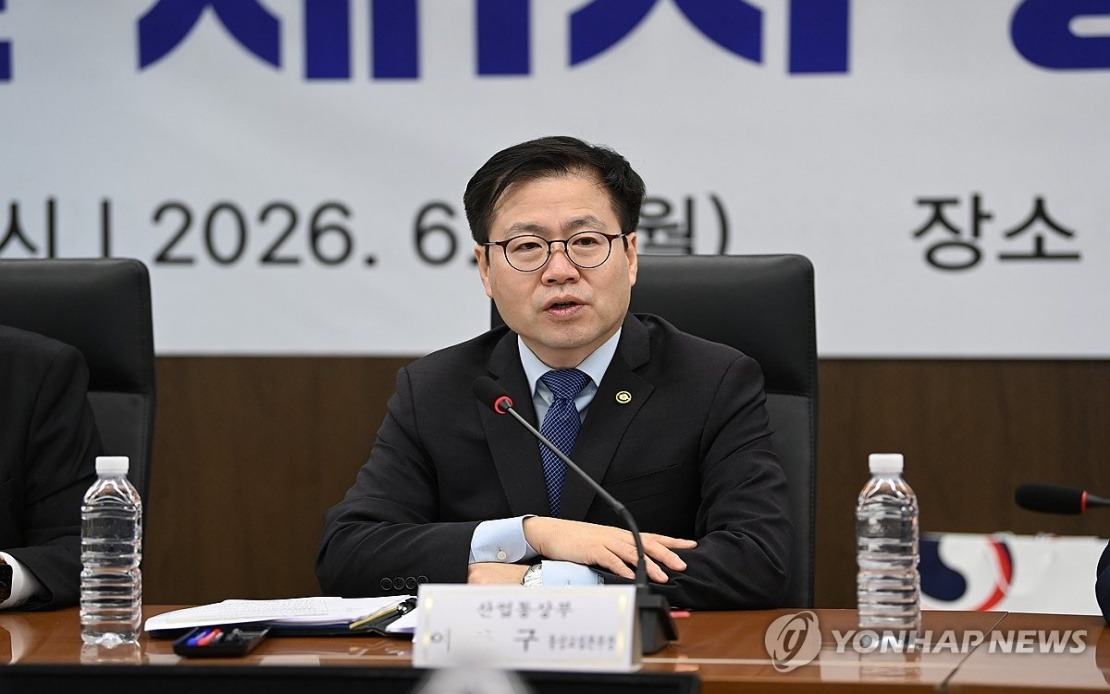
South Korea's lead trade negotiator has been removed from his position, marking a significant administrative shake-up at a particularly fraught moment in Seoul's commercial relations with Washington. Yeo Han-koo was notified of his dismissal by the Ministry of Personnel Management on Friday, according to officials at the Ministry of Trade, Industry and Energy, though the government has refrained from publicly disclosing the specific reasoning behind the decision. The timing of the removal, announced just as Seoul navigates mounting pressure from new US tariffs and multiple unresolved trade disputes, has inevitably raised questions about the underlying motivations, despite official denials that the dismissal is directly connected to ongoing trade negotiations.
Government representatives have been emphatic in their insistence that Yeo's removal bears no relation to the contentious tariff discussions between Seoul and Washington. However, the proximity of the announcement to an intensifying trade dispute suggests the political backdrop remains considerably tense. A spokesperson from the trade ministry stated to news agencies that the dismissal operates entirely independently from bilateral tariff negotiations, yet observers in Seoul and beyond have noted the considerable coincidence of timing and context that has naturally fuelled speculation about the deeper circumstances.
In a statement released following his dismissal notification, Yeo Han-koo moved swiftly to address widespread conjecture that personal misconduct might have precipitated his removal. He characterized such allegations as groundless and indicated that he was contemplating legal action against media outlets and other entities disseminating what he described as false and defamatory reports. The former trade negotiator's robust pushback against the speculation underscores the political sensitivity surrounding his departure and the reputational stakes he perceives in the public narrative surrounding his dismissal.
The departure of Yeo arrives at an exceptionally delicate juncture for South Korean trade relations with the United States. Seoul has been facing intensifying American demands to substantially increase its investment commitments under the framework of their bilateral trade agreement, while simultaneously contending with a separate dispute centred on financial penalties that South Korea imposed on Coupang, the American e-commerce corporation, following a significant personal data breach. These overlapping grievances have complicated the broader relationship and created multiple pressure points that Seoul must navigate simultaneously.
Adding to the mounting commercial tension, US President Donald Trump signed a proclamation on Thursday introducing fresh tariffs focused specifically on drone technology and related components. The new duties include a 15 per cent tariff applied to imports originating from South Korea, further escalating the tariff climate that has been creating headwinds for Korean exporters and forcing Seoul's trade apparatus to respond to an expanding array of American protectionist measures. The drone tariff represents yet another front in what has become an increasingly multifaceted trade dispute.
Yeo Han-koo's career trajectory within South Korea's trade establishment reflects the country's shifting political landscape and the instability that can accompany administrative transitions. He previously held the position of trade minister during the Moon Jae-in administration, demonstrating substantial experience in handling complex international trade negotiations. Following the establishment of the Lee Jae Myung administration in May 2025, Yeo was recalled to the trade negotiation post, tasked with managing Seoul's relationship with Washington during a period when American protectionism was already a growing concern.
During his tenure in the current role, Yeo had become increasingly central to Seoul's strategy for addressing American trade demands and navigating the tariff landscape. His responsibilities encompassed direct participation in negotiations over US tariff policies and discussions regarding South Korea's financial and investment commitments under the bilateral agreement. The considerable importance of his portfolio meant that his departure necessarily creates an administrative vacuum at a moment when Seoul requires stable, experienced leadership in its trade negotiations.
The dismissal raises important questions about institutional continuity and the sustainability of South Korea's negotiating position with the United States. Trade negotiations with Washington, particularly under the current administration, demand consistency, detailed knowledge of previous agreements, and established relationships with American counterparts. The sudden removal of a seasoned negotiator during an active dispute phase potentially complicates Seoul's ability to maintain coherent negotiating positions and could create opportunities for further misunderstandings or miscalculations in already fraught discussions.
For Malaysia and other Southeast Asian economies, the escalating tension between Seoul and Washington carries indirect but significant implications. The imposition of new tariffs on drone components and pressure on South Korea regarding investment commitments signals that the Trump administration is pursuing a broader protectionist agenda that extends beyond bilateral disputes. These developments suggest that regional economies should prepare for potential extensions of American tariff policies and increased scrutiny of trade relationships and investment commitments throughout Asia. The pattern emerging from US-South Korea negotiations may presage similar approaches toward other trading partners in the region.
The broader context of South Korea's trade challenges also reflects the precarious position of middle-income Asian economies navigating between American demands for greater investment and trade concessions on one hand, and the reality of complex global supply chains on the other. Seoul's experience demonstrates the vulnerability of even relatively advanced economies to unilateral American trade actions and the domestic political pressures that can result when governments must balance competing interests in their response to tariff escalation.
Looking forward, the appointment of Yeo's successor will merit close attention from regional observers, as the choice may signal whether Seoul intends to pursue a more confrontational or accommodative approach toward Washington's tariff demands. The new negotiator will inherit not only the immediate disputes regarding drone tariffs and Coupang's penalties but also the broader challenge of renegotiating investment commitments in a climate of heightened protectionism. The capacity of whoever assumes the trade negotiation role to build effective working relationships with American counterparts while defending Korean interests will substantially influence the trajectory of bilateral relations in coming months.

