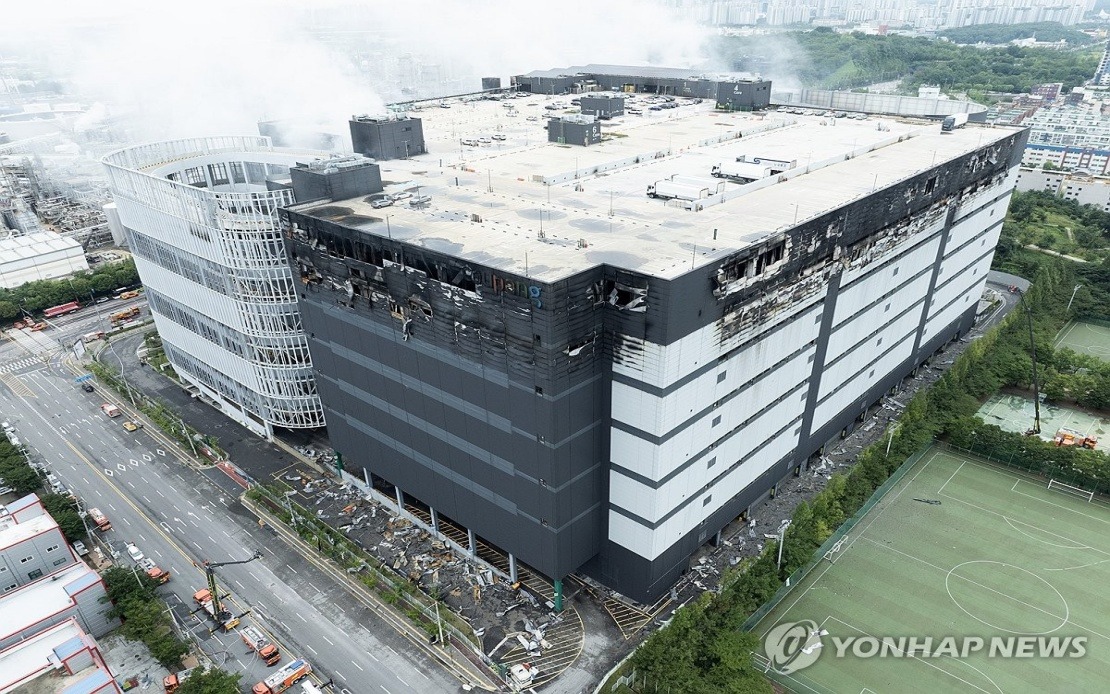
A massive fire that engulfed a Coupang logistics warehouse in Incheon, located just west of Seoul, was declared under initial control on Monday evening, marking a significant milestone in what became one of South Korea's most challenging firefighting operations in recent times. The declaration came after the blaze had raged continuously for 61 hours following its outbreak on Saturday, consuming vast quantities of combustible materials stored within the facility and creating hazardous conditions that required extraordinary emergency response measures.
The scale of the firefighting operation reflected the severity of the situation. South Korea's authorities mobilised an unprecedented response, deploying 812 firefighters and 231 pieces of specialised equipment to the Incheon site after issuing a national alert on Saturday. This coordinated effort involved resources drawn from across the country, demonstrating the critical nature of the emergency and the potential threat posed to surrounding communities. By Monday at 8 p.m., when authorities announced initial control, the combined efforts of these hundreds of personnel had succeeded in preventing the fire from spreading further, though complete extinguishment would require continued vigilance.
The complexity of the firefighting challenge lay partly in the warehouse's structural design and the nature of materials stored within. The logistics centre's multi-layered configuration and the presence of large quantities of flammable goods created conditions that actively hindered firefighting efforts throughout the initial phase of the emergency. Firefighters faced obstacles in accessing certain areas of the facility and encountered repeated flare-ups as different sections of inventory ignited. However, a fortuitous change in weather conditions on Monday provided unexpected assistance, as rainfall helped suppress flames and reduce the intensity of the blaze, allowing personnel to make meaningful progress in their containment efforts.
The human impact of the disaster extended well beyond the warehouse itself. Local authorities issued mandatory evacuation orders late Sunday for all residents living within 116 metres of the warehouse's ramp zone, a precautionary measure designed to protect against potential structural collapse and toxic smoke inhalation. The evacuation process was substantial in scale, with 178 residents from the surrounding neighbourhood requiring temporary shelter. Local authorities arranged accommodation at nearby schools, reflecting the significant disruption to daily life in the affected community.
The emergency response included decisions to shut down educational facilities throughout the broader area. One elementary school and fourteen daycare centres received closure orders on Monday, a measure that reflected ongoing air quality concerns and the unpredictable nature of the still-uncontrolled fire during the early phases of the incident. These closures affected hundreds of children and their families, extending the ripple effects of the disaster well beyond the immediate evacuation zone and highlighting how major industrial accidents in densely populated regions can disrupt ordinary community activities across wider areas.
From a regional perspective, this incident underscores vulnerabilities that exist across Southeast Asian and East Asian logistics networks, where rapidly expanding e-commerce operations have created massive warehouse facilities that pose significant fire risks. South Korea's sophisticated response capabilities, while ultimately successful, required mobilisation of resources that would strain many other nations' emergency services. The incident raises questions about how well-prepared other countries in the region are for similar scenarios, particularly given the proliferation of large-scale distribution centres serving the booming online retail sector.
The logistics industry, represented by major operators like Coupang which dominates South Korea's e-commerce delivery market, faces intensifying scrutiny regarding facility safety protocols following such incidents. While the company itself was not named as responsible for fire safety lapses in initial reporting, the incident will likely prompt industry-wide reviews of warehouse design, material storage practices, and emergency preparedness across the sector. Insurance companies and regulatory authorities may strengthen requirements for fire suppression systems, material handling procedures, and evacuation planning in future facility approvals.
The successful declaration of initial control represents a checkpoint rather than a conclusion to this emergency. Firefighting authorities indicated that complete extinguishment and securing of the site would require sustained effort beyond Monday's milestone. The investigation phase will follow, examining factors that contributed to the fire's outbreak and rapid spread, with findings potentially influencing building codes and safety standards not only throughout South Korea but across the broader region where similar warehouse configurations exist.
For Malaysian and Southeast Asian readers, this incident serves as a cautionary reminder about industrial safety in rapidly developing logistics infrastructure. As the region continues to build massive distribution centres to support e-commerce growth, ensuring adequate fire prevention systems, trained emergency response capacity, and robust evacuation planning becomes increasingly critical. The successful South Korean response, while impressive, also illustrates the substantial resources required to manage such disasters—a consideration for countries still developing their emergency management capabilities in this sector.

