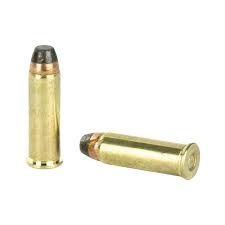
A police officer from Gyeonggi province in South Korea has become the subject of a formal investigation after airport authorities discovered live ammunition in his possession at Jeju Airport on June 28. The discovery, made public on July 3 by Jeju Island police, has raised questions about compliance with the country's rigorous firearms safety protocols, particularly among law enforcement personnel who are entrusted with weapons management.
The incident unfolded when the officer, a man in his 30s, approached the boarding gate for a domestic flight heading to Gimpo Airport at approximately 8.40pm local time. Airport security found two live rounds among his belongings during standard pre-flight screening procedures. Notably, the officer was not carrying an actual firearm—only the ammunition itself—which raises questions about how such materials became separated from their intended weapons system and found their way into luggage bound for air travel.
Forensic analysis conducted by the National Forensic Service identified the bullets as ammunition compatible with a .38-calibre pistol, the standard-issue sidearm distributed to the vast majority of South Korean police officers. This detail carries particular significance because it suggests the ammunition originated within official law enforcement channels rather than being sourced from civilian or illicit markets. The match to standard police-issue weaponry narrows the investigative focus and raises concerns about internal security protocols within police departments.
The Jeju Seobu Police Station has initiated a comprehensive investigation into the circumstances surrounding the officer's possession of the ammunition. He faces accusations of violating the Act governing the safety management of guns, swords and explosives—a cornerstone statute that underpins South Korea's approach to preventing unauthorized access to dangerous materials. This legal framework reflects the country's zero-tolerance approach to firearms-related violations, regardless of whether the individual is a civilian or a sworn officer.
When questioned by investigators, the officer provided an explanation for his possession of the ammunition. He claimed that he had received the two bullets from a former colleague who had recently retired from the police force. This account introduces a troubling dimension to the investigation: it suggests that retirement procedures may not include sufficiently rigorous accountability measures for ammunition that might remain in the possession of departing officers. If accurate, the officer's explanation points to potential gaps in how law enforcement agencies oversee the transition of retiring personnel and their equipment.
South Korea maintains among the world's strictest regulations governing civilian and law enforcement access to firearms and ammunition. These rules are designed to prevent unauthorized weapons from circulating and to maintain tight control over potentially dangerous materials. The country's approach has successfully kept gun violence at extraordinarily low levels compared to most developed democracies, making such breaches particularly noteworthy when they occur within the police system itself.
A fundamental requirement within South Korean law enforcement is that police officers must store their personal firearms at the designated armoury facility located at their respective police stations. This centralized storage system exists to ensure that weapons remain under institutional supervision and cannot be carried home or transported without explicit authorization. The ammunition discovery raises questions about whether this officer's personal sidearm remained properly secured at the Gyeonggi province station, or whether inadequate compliance with storage protocols extended to ammunition management as well.
The fact that airport security at Gimpo Airport did not detect any ammunition when the same officer boarded a flight to Jeju on June 26 suggests that the ammunition was acquired between the outbound and return journeys. This timeline detail becomes crucial for investigators seeking to understand when the officer came into contact with the bullets from his retired colleague and what circumstances prompted him to place them in his luggage. The narrow window between flights may help establish whether the officer acted on impulse or with deliberation.
This incident carries implications for airport security procedures and the effectiveness of screening mechanisms at South Korea's aviation facilities. That ammunition successfully passed through security checks on the outbound leg before being discovered on the return journey suggests that either screening was inconsistent, or the ammunition was acquired during the officer's time on Jeju Island. Both scenarios present concerns for security officials responsible for maintaining the integrity of domestic aviation safety protocols.
The investigation also reflects broader tensions within law enforcement organizations regarding discipline and accountability. When officers—particularly those trained in weapons handling—violate safety regulations, it undermines public confidence in the institutional commitment to following the same rules that constrain civilians. South Korean society has generally demonstrated strong faith in law enforcement, but high-profile violations by officers themselves can erode that trust and prompt calls for more stringent oversight.
For Malaysia and other Southeast Asian nations with comparatively strict firearms regulations, the South Korean case serves as a cautionary example about the importance of continuous auditing and surprise inspections of police facilities, particularly armouries. Even in jurisdictions with rigorous legal frameworks and generally compliant officers, individual breaches can occur. Regular accountability measures, including tracking of ammunition stores and spot checks on storage facilities, represent essential investments in maintaining system integrity.
As the investigation proceeds, South Korean authorities will likely examine not only the individual officer's conduct but also the institutional safeguards—or lack thereof—that permitted ammunition to leave official custody. The outcome of this case may influence how police departments across the country implement or strengthen their protocols for tracking, storing, and accounting for ammunition throughout an officer's career and into retirement.

