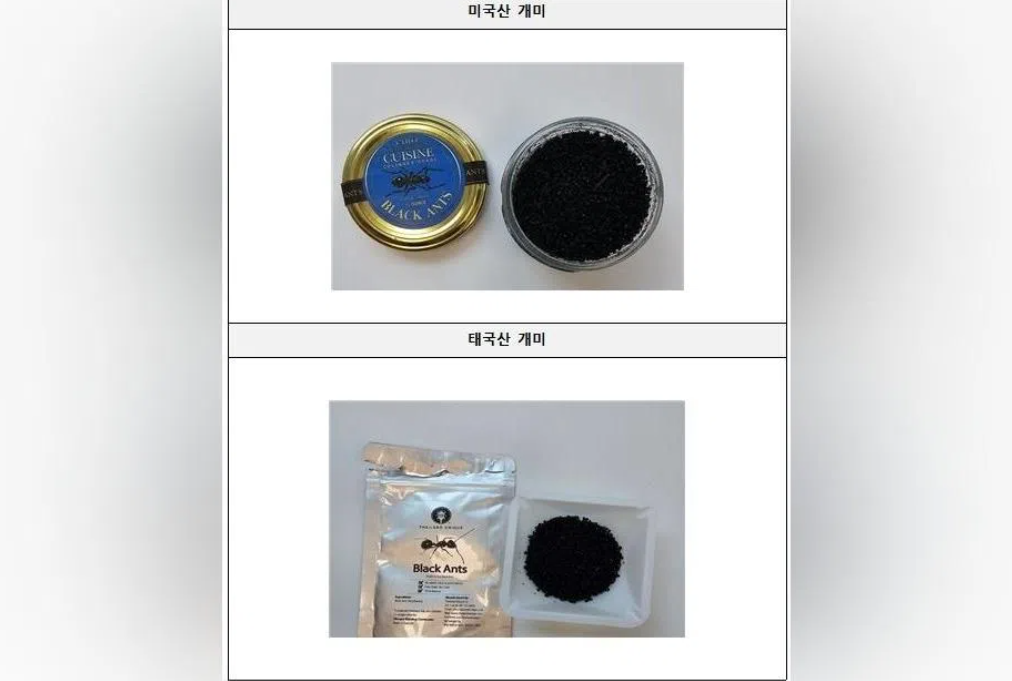
A prestigious South Korean restaurant holding two Michelin stars has embroiled its owner in a legal crisis after prosecutors sought a one-year prison sentence for violations of food safety legislation. The case centres on the use of black ants as a garnish for palate-cleansing sorbet, intended to impart a sour taste to the dessert. During a court hearing on Monday, Seoul prosecutors formally requested the custodial term, marking an escalation in a food safety investigation that has now captured international attention and raised questions about culinary experimentation versus regulatory compliance.
The incident highlights the rigidity of South Korea's approach to ingredient approval and consumer protection. Under the nation's food safety framework, only ten insect species have been formally authorised for human consumption, a carefully curated list that includes grasshoppers and brown mealworm larvae. This restrictive regime exists to protect public health and ensure traceability of food sources. The restaurant's use of black ants fell dramatically outside these boundaries, as the insects were sourced from Thailand and the United States, making them doubly prohibited both as unapproved species and as imported varieties without proper food safety certification.
According to statements from South Korea's food safety ministry, the establishment operated this practice for nearly four years, ceasing only in January 2025 when authorities completed their investigation. During this extended period, the restaurant generated approximately 12,000 sales transactions worth 120 million won, equivalent to roughly US$81,000. The sheer volume of transactions suggests the practice was not an isolated experimental incident but rather an established component of the restaurant's gastronomic offerings. Photographic evidence released by the ministry depicted a tin canister labelled "Cuisine Black Ants", indicating deliberate sourcing and preparation rather than accidental contamination.
The methodology employed by the restaurant demonstrates calculated intent to circumvent regulations. According to investigative findings, each sorbet garnish contained between three to five ants, suggesting precise measurement rather than casual application. The choice of ants specifically for their acidic properties reveals a conscious culinary decision grounded in flavour chemistry. This deliberateness undermines any potential defence based on ignorance, though the defendant's legal representatives have attempted to mitigate responsibility by arguing that affected customers provided informed consent beforehand. The notion of advance permission, however, carries limited weight under South Korean law, which prioritises state-mandated safety standards over individual choice in food safety matters.
Beyond the immediate restaurant context, this case illuminates broader tensions between innovation in haute cuisine and regulatory boundaries across East Asia. High-end restaurants frequently push culinary conventions, experimenting with unconventional ingredients and preparations to distinguish themselves in competitive markets. The pursuit of Michelin recognition, which the restaurant had achieved, intensifies pressure to deliver unique dining experiences. Yet regulatory frameworks, particularly in countries with experiences of foodborne illness outbreaks or contamination scandals, maintain strict approval processes. South Korea has faced significant food safety challenges historically, making government vigilance on ingredient approval understandable if sometimes restrictive to culinary creativity.
The prosecutorial request includes not only the one-year imprisonment but also a 20 million won financial penalty, approximately US$13,500, underscoring the seriousness with which authorities treat such violations. This dual punishment approach—combining incarceration with substantial fines—reflects South Korea's determination to enforce food safety regulations firmly. The financial component particularly affects business sustainability, as restaurant owners facing such penalties may struggle to recover financially even if ultimately acquitted of criminal charges. The reputational damage alone has likely devastated the establishment's commercial viability.
Defence arguments centred on customer consent represent a significant gap in legal understanding or deliberate downplaying of regulatory requirements. The defendant's closing statement, reportedly expressing apology for "failure to fully understand the relevant regulations", suggests either genuine ignorance of food safety law or strategic positioning for leniency. For a restaurant operating at the Michelin level, such ignorance appears implausible. The establishment's sophistication in sourcing, presentation, and operational management would typically extend to regulatory compliance. This contradiction raises questions about whether the defendant's position reflects authentic misunderstanding or calculated miscalculation about enforcement likelihood.
The timing of the investigation's completion and the transition from prosecution phase to court verdict demonstrates the deliberate pace of South Korea's legal system. After launching investigations last year, authorities methodically gathered evidence and built their case before prosecutors formally presented charges. The court is scheduled to deliver its ruling in early September, allowing several months for judicial consideration. This timeline, while potentially beneficial to defendants seeking thorough proceedings, also extends uncertainty for the accused party and maintains public scrutiny over the months ahead.
For Malaysian and Southeast Asian culinary professionals, this case carries cautionary implications about the importance of understanding local food safety regulations before implementing novel preparations. While South Korea's insect approval list may seem particularly restrictive compared to culinary traditions in some Southeast Asian contexts, where insects feature in established cuisines, the underlying principle remains universal: restaurants operating in specific jurisdictions must comply with those jurisdictions' legal frameworks regardless of ingredient acceptance elsewhere. The case underscores that international dining trends and cultural food practices do not supersede domestic regulatory requirements, particularly in matters affecting public health and consumer safety.
The broader significance extends to how different regulatory regimes interact with globalisation and international culinary exchange. As restaurants increasingly source ingredients internationally and chefs draw inspiration from diverse culinary traditions, regulatory friction becomes inevitable. South Korea's approach—strict categorisation with limited flexibility—contrasts with frameworks in other developed economies that permit case-by-case assessment or rapid-approval pathways for novel foods. Whether such rigidity serves legitimate protection purposes or unnecessarily stifles culinary innovation remains contested among food safety professionals, policymakers, and culinary communities across the region.

