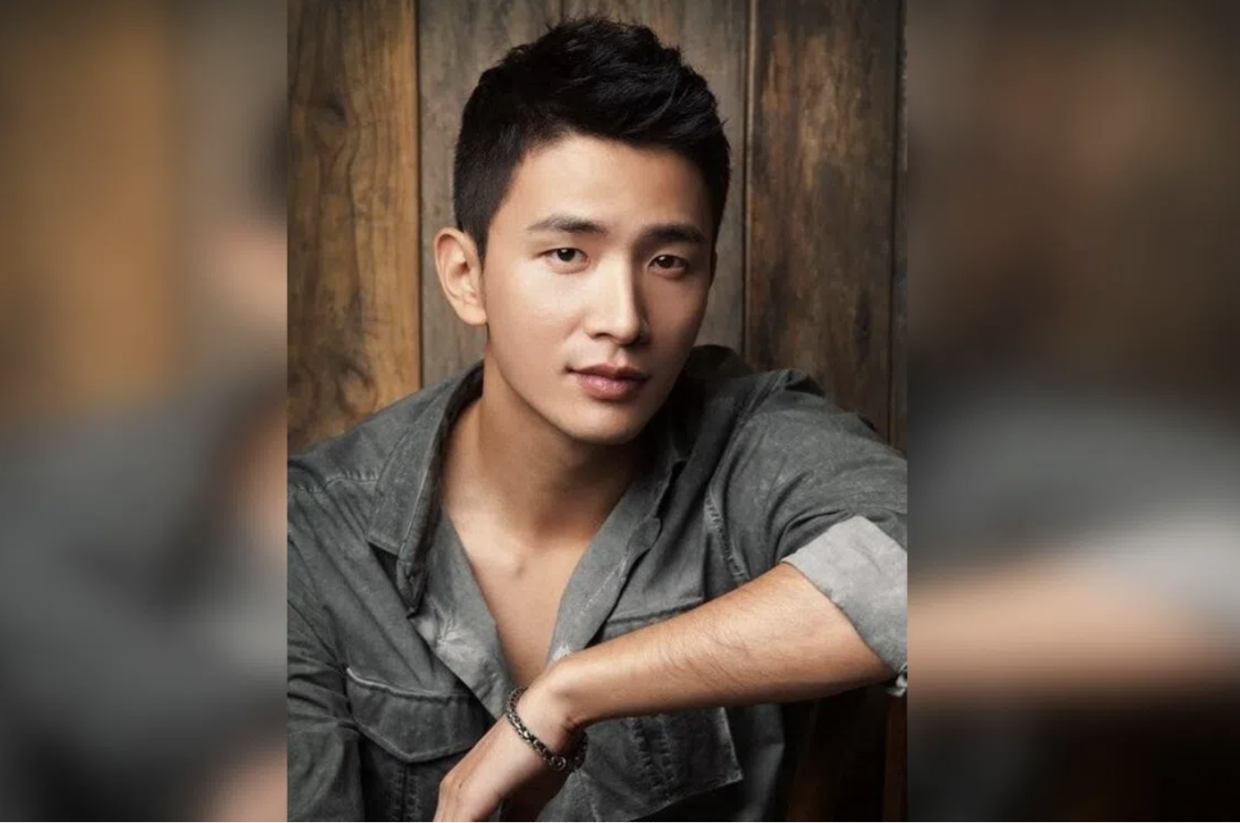
South Korean entertainer Lee Yong-joo, whose television career spanned nearly two decades and included memorable roles in the beloved K-drama Princess Hours (2006) and the comedy series Blue Tower (2013-2014), has passed away at the age of 44. His death occurred on 29 August from cardiac arrest, marking the loss of a performer who had established himself as a reliable presence across South Korea's competitive entertainment landscape.
The news came as a shock when a close friend announced Lee's passing through social media, expressing the difficulty of processing such an unexpected tragedy. The friend's statement urged the public to honour Lee's memory during his final journey, signalling the personal connections the actor had cultivated throughout his professional life. The announcement sparked an outpouring of remembrance from colleagues in an industry where Lee had worked consistently for more than fifteen years.
Lee's unexpected death has drawn fresh focus to a serious health issue that had quietly shaped the latter part of his career. In 2013, while promoting Blue Tower, Lee made public disclosure of his hypertrophic cardiomyopathy—a progressive condition wherein the heart muscle becomes thickened abnormally, restricting the organ's ability to pump blood efficiently. This revelation came at a time when he explained his exemption from mandatory military service, a significant detail in South Korean society where military conscription remains a cultural cornerstone for male citizens.
The actor disclosed that his mother had also battled the same condition, pointing to the hereditary nature of the disease. Following medical advice, his family members underwent screening examinations to identify whether others carried the genetic markers. Lee's openness about his diagnosis at that juncture appeared to be a response to public curiosity about his military status, though it also served to illuminate an often-hidden health burden he had been carrying throughout his career.
Before rising to prominence as an actor, Lee began his entertainment journey as a fashion model, establishing himself in a field that valued his visual presence and professionalism. His transition into acting came with a minor role in the 2004 film Doma Ahn Jung-geun, marking the beginning of a slow but steady ascent through television and cinema. Throughout the mid-2000s, he appeared in MBC's Hello, Francesca (2005-2006), which provided him with greater visibility among Korean drama audiences hungry for new talent.
Princess Hours, which aired in 2006, became the vehicle for Lee's breakthrough moment. In this wildly popular romantic comedy series, Lee portrayed Jang Kyung, a high school friend and romantic interest of the Crown Prince character Lee Shin, famously played by Ju Ji-hoon. The drama became a cultural phenomenon across Asia, particularly resonating with audiences in Malaysia, Singapore, and other Southeast Asian nations where K-dramas were gaining tremendous popularity during this period. Lee's supporting role positioned him as part of a beloved ensemble cast that contributed to the series' extraordinary success.
Following Princess Hours, Lee maintained a steady career trajectory through a diverse range of television projects that demonstrated his versatility across genres. He took part in the comedy series Unstoppable Marriage (2007), then became associated with the long-running Rude Miss Young-ae franchise, which spanned from 2007 to 2019 and became known for its humorous yet touching portrayal of generational differences. Additional credits included appearances in The Women's Room (2013), Let's Eat (2013), and My Unfortunate Boyfriend (2015), showcasing his ability to adapt to various character types and narrative styles.
Blue Tower, the sitcom broadcast on tvN from 2013 to 2014, provided Lee with one of his most memorable roles in his later career. In the series, Lee played a new recruit character despite having never completed mandatory military service himself—an irony that became part of the public narrative surrounding his casting at the time. The show's popularity allowed him to reach a contemporary television audience and demonstrated that producers continued to view him as a valuable talent despite his health limitations.
The logistics of Lee's funeral reflected the formality and respect accorded to entertainment figures in South Korean society. His wake was established at Room 5 of the Bundang Jesaeng Hospital Funeral Hall located in Seongnam, Gyeonggi Province, providing a space where friends, colleagues, and admirers could pay their respects. The funeral procession was scheduled to commence on 31 August at 6:30 in the morning, with his final resting place designated at the Seongnam City Funeral Culture Complex.
Lee's death carries particular resonance for Malaysian audiences who grew up watching Korean dramas during the mid-2000s through 2010s, when Princess Hours and subsequent K-dramas fundamentally altered the regional entertainment landscape. The loss highlights how entertainment figures who contributed to the soft power projection of South Korean culture across Asia, even in supporting roles, maintained meaningful places in audiences' hearts and memories. His passing at a relatively young age underscores the unpredictability of health conditions and serves as a sobering reminder of the vulnerabilities that exist even among those in the public eye. For regional fans who followed Lee's career trajectory over nearly two decades, his sudden departure marks the end of an era when these early Korean dramas first captivated Southeast Asian television viewers.

