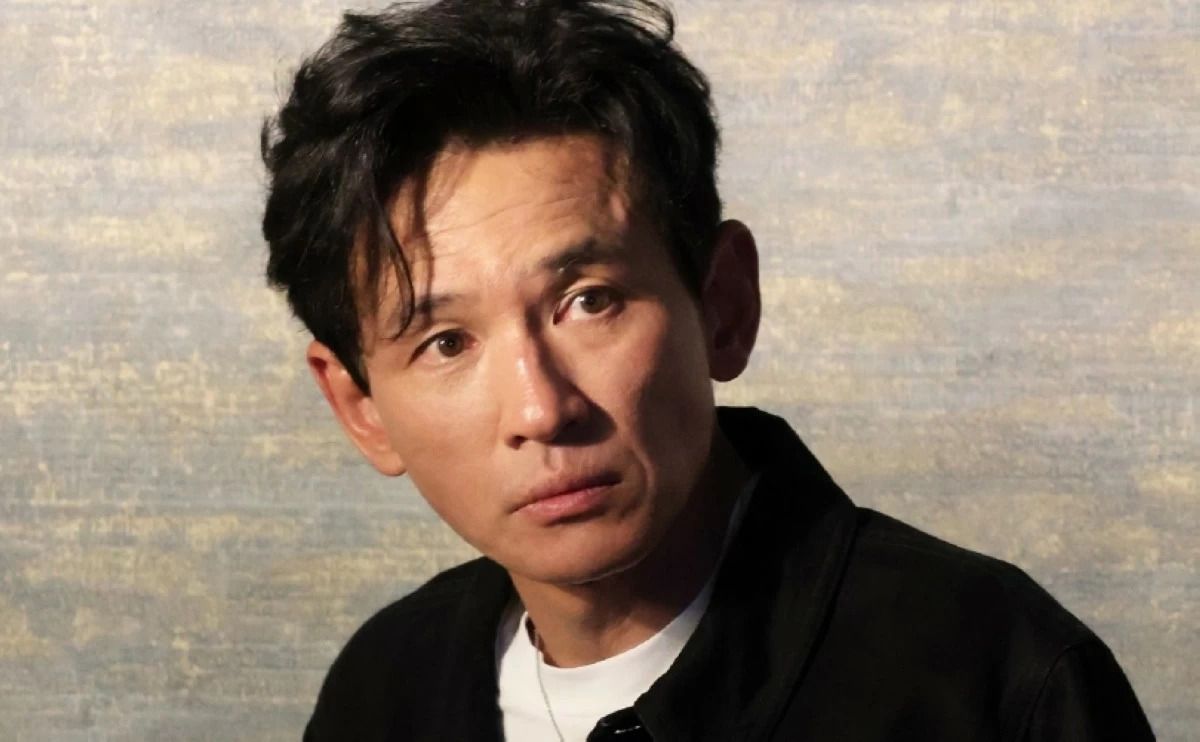
South Korean cinema's leading man Hwang Jung-min has become entangled in a high-profile scandal involving allegations of infidelity, with his agency moving swiftly on July 29 to discredit the accuser and signal an aggressive legal defence. The 55-year-old actor's management company released a statement framing the woman making the claims as a habitual stalker rather than a credible source, effectively pivoting the narrative from addressing the substance of the allegations to attacking the accuser's motives and credibility.
The woman in question had publicly shared what she characterised as intimate communications with Hwang, including text messages, photographs, and a recorded phone conversation allegedly proving a romantic relationship between them. The posting of such material on social media represented a direct and public challenge to both the actor's personal reputation and his marriage to Kim Mi-hye, a theatrical and musical producer who established and leads SEM Company, the agency managing Hwang's career. This dual role as both his wife and his professional representative has intensified scrutiny on the situation.
According to the agency's statement, the materials the woman disclosed were "maliciously edited" versions of legitimate communications, a technical argument that attempts to undermine the credibility of the evidence without directly confirming or denying whether authentic interactions occurred. Notably, the agency declined to explicitly state whether the audio recording itself was authentic, a strategic silence that maintains plausible deniability while simultaneously attacking its presentation. This careful wording suggests the management recognises the gravity of the situation and the potential for further revelations.
The legal framework surrounding this dispute has already favoured Hwang and his agency considerably. In 2025, the actor initiated criminal proceedings against the woman, culminating in her becoming a criminal suspect in a stalking investigation. A court subsequently issued three separate restraining orders against her, establishing a pattern of judicial intervention to restrict her behaviour. Additionally, a summary order imposed a fine of three million won, equivalent to approximately RM8,525, demonstrating that at least one judicial body has found grounds to penalise her actions.
However, the woman has not accepted these determinations passively. She has contested the fine imposed against her and requested a full formal trial rather than accepting the summary judgment, signalling her intention to mount a vigorous legal defence. Beyond the criminal proceedings, she has filed a separate civil suit seeking monetary damages from Hwang himself, introducing another layer of complexity to the escalating legal battle. This multi-pronged legal engagement suggests neither party intends to resolve the matter quietly.
The agency's statement indicated plans to pursue additional legal action in response to the social media posts, moving beyond the criminal stalking complaint already filed. This intensifying legal strategy represents a clear effort to exhaust all available remedies and demonstrate the serious consequences of making such allegations publicly. For entertainment industry observers, this approach mirrors similar celebrity scandals where Korean agencies employ comprehensive legal strategies to suppress unfavourable narratives.
Hwang's position within South Korean cinema makes this controversy particularly significant. The actor represents one of the industry's most commercially valuable assets, having anchored numerous blockbuster productions that consistently draw large audiences and generate substantial box office revenue. His marketability and professional trajectory now face potential damage from the reputational implications of these allegations, regardless of their ultimate veracity. Any perception of instability or moral impropriety could affect his bankability with producers and studios.
The timing of this dispute adds another dimension, as Hwang is currently engaged in high-profile international film projects. He stars in Na Hong-jin's action thriller "Hope," a production that brings together considerable talent including actors Zo In-sung and Jung Ho-yeon alongside Hollywood performers Michael Fassbender and Alicia Vikander. The film's release in Singapore on September 10 will occur within the context of these swirling allegations, potentially affecting its promotional efforts and audience reception across Southeast Asia, where Korean cinema maintains considerable popularity.
For Malaysian and regional audiences, this situation reflects broader dynamics within the Korean entertainment industry regarding celebrity scandal management and the intersection of traditional legal remedies with modern social media disclosure. The case demonstrates how allegations that once might have remained private matters can now achieve widespread circulation through digital platforms, forcing celebrities and their representatives to respond publicly and deploy legal mechanisms to manage reputational damage. The outcome of the woman's contested fine and civil suit will likely establish precedents affecting how similar allegations are handled in Korean entertainment law.
The agency's decision to label the accuser a "stalking suspect" represents an attempt to shift focus from the substance of the allegations to questions about the accuser's psychological stability and motives. This strategy, commonly employed in high-stakes scandals involving prominent figures, aims to inoculate the public against taking seriously any further claims from this source. Whether the courts will ultimately support this characterisation, or whether additional evidence might emerge during the contested trial, remains uncertain. The resolution of these parallel legal proceedings will determine not only Hwang's immediate professional prospects but also establish frameworks affecting how Korean entertainment figures address serious personal allegations in the digital age.

