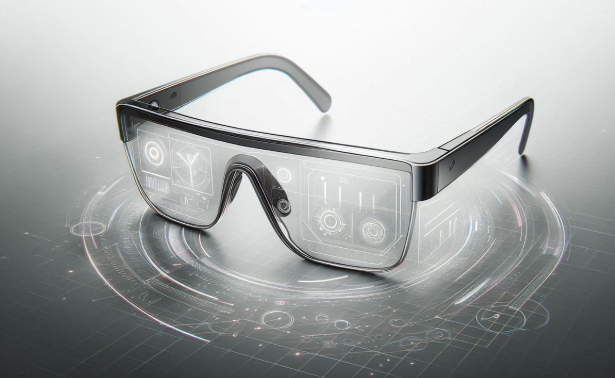
South Korean prosecutors have taken legal action against a man in his 40s for attempting to cheat on a national qualification exam using artificial intelligence-enabled glasses, marking an unprecedented prosecution involving this emerging technology in the country. The Gwangju District Prosecutors' Office filed summary charges against the defendant last month under the National Technical Qualification Act, according to reports that emerged on July 13. The case underscores how rapidly advancing consumer technology is outpacing the regulatory frameworks designed to maintain examination integrity, a concern that extends far beyond South Korea's borders into the broader East Asian region where high-stakes credentialing exams carry significant professional and financial consequences.
The defendant was apprehended in May while sitting for a fire protection facilities engineer certification examination at a Gwangju testing centre. What might have otherwise gone undetected was interrupted when an alert exam supervisor noticed an unusual light reflection emanating from the man's eyeglass lenses during the test session. This observational vigilance proved crucial, as the reflective properties of AI-integrated optical devices can betray their presence under careful scrutiny, particularly under indoor examination room lighting conditions. The discovery triggered a deeper investigation that revealed the defendant's deliberate strategy to exploit technological gaps in examination security protocols.
During subsequent questioning, the man acknowledged his involvement in the scheme and provided revealing insight into his intentions. He disclosed that he had personally developed an artificial intelligence application programmed to work in tandem with the smart glasses and that his primary motivation was demonstrating the functionality of the system rather than seeking to fraudulently obtain a legitimate qualification. He stated he wanted to verify whether the glasses could accurately display correct examination answers in real-world conditions. This explanation raises questions about whether the incident represented calculated fraud or an ill-advised technological experiment with insufficient consideration for examination ethics, though prosecutors ultimately treated it as a serious violation.
The Gwangju case was not isolated but rather revealed the tip of a broader problem affecting multiple examination sites. Two additional men in their 20s were detained after authorities discovered they had employed identical AI glasses cheating methods at separate national technical qualification examination locations in Seoul and Mokpo during the same month. These parallel incidents suggested either direct coordination between the individuals or independently developed applications using similar technology principles, both scenarios indicating that the vulnerability was being actively exploited across different regions simultaneously.
The problem extended beyond technical qualification examinations into internationally recognised language proficiency testing. Several instances of AI glasses being deployed for cheating emerged in TOEIC (Test of English for International Communication) examinations, with two individuals caught attempting to cheat in May and another apprehended the following month. TOEIC scores carry substantial weight in South Korean employment markets, educational advancement, and professional licensing contexts, making this subset of cheating cases particularly significant for understanding the stakes that motivate individuals to adopt fraudulent methods. The convergence of multiple technology-enabled cheating cases across different examination types within a compressed timeframe alarmed regulatory authorities.
The proliferation of these incidents prompted an urgent convening of officials responsible for administering South Korea's major national qualification examinations. On July 10, representatives from relevant agencies gathered to strategically address the emerging threat posed by wearable artificial intelligence devices. The meeting reflected growing recognition among examination administrators that existing security protocols, designed primarily to detect traditional cheating methods and paper-based assistance tools, were inadequate against sophisticated technological solutions that operate subtly and leave minimal physical evidence.
During their deliberations, officials identified specific policy responses aimed at closing the technological loophole. A primary proposal involved explicitly designating AI-integrated glasses and similar wearable artificial intelligence devices as prohibited items within examination rooms, similar to existing bans on mobile phones and communication devices. This categorisation would provide legal clarity and simplify enforcement by examination supervisors. However, such measures must be carefully calibrated, as the rapid evolution of wearable technology means that new devices may emerge that circumvent existing definitions, requiring ongoing regulatory adaptation.
Simultaneously, officials considered substantially escalating penalties for individuals caught engaging in examination fraud through technological means. The rationale behind strengthened sanctions reflects a deterrence philosophy suggesting that potential cheaters must perceive the consequences as prohibitively costly relative to the perceived benefits of illicitly obtaining credentials. Enhanced punishments could include extended periods of examination eligibility suspension, substantial financial fines, and criminal records that complicate future employment and professional advancement.
The South Korean situation carries particular relevance for the broader Southeast Asian region, where credential examination systems function as critical gatekeepers for professional opportunities. As AI-powered wearable devices become more affordable and technologically sophisticated, similar vulnerabilities are likely to emerge across Malaysia, Singapore, Indonesia, and other countries administering standardised professional qualifications and language proficiency tests. The South Korean authorities' response provides an instructive case study in how rapidly examination administrators must adapt their security frameworks when facing technology-enabled fraud.
The incident also highlights a fundamental tension in contemporary examinations: balancing accessibility with security, particularly regarding assistive technologies. As artificial intelligence applications become increasingly integrated into everyday devices, distinguishing between legitimate accessibility aids for individuals with disabilities and fraudulent cheating mechanisms poses genuine classification challenges for examination administrators. Future regulatory responses must account for this distinction while preventing systematic exploitation.
More broadly, the case reflects how artificial intelligence has transitioned from an abstract technological future into a present reality requiring immediate regulatory attention. Educational institutions, professional licensing bodies, and credentialing organisations across the region must urgently evaluate their examination security protocols and develop comprehensive strategies addressing not only current AI-powered cheating methods but also anticipated future technological threats. The South Korean prosecution represents not an isolated criminal matter but rather an early warning signal of systemic vulnerabilities that examination systems globally must address proactively.

