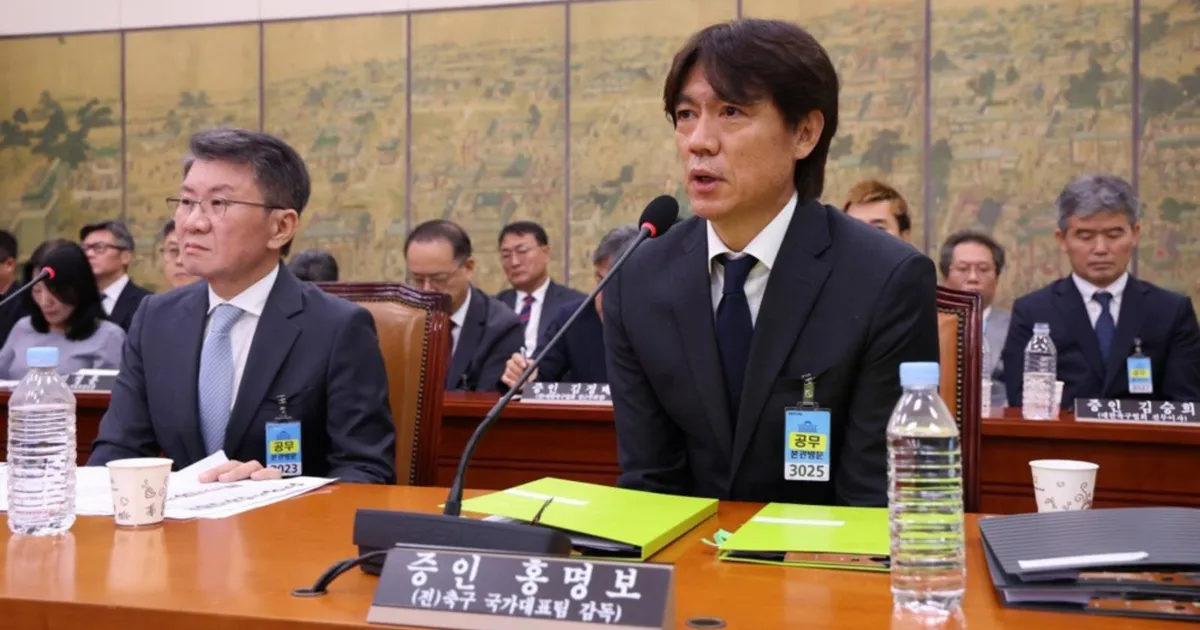
South Korean law enforcement has undertaken a formal investigation into the national football association, conducting raids on its offices as part of a probe into the circumstances surrounding Hong Myung-bo's appointment as the country's national team coach. The scrutiny centres on allegations of obstruction of business operations, emerging from mounting questions about how the association handled the coaching selection process in the aftermath of a deeply unsatisfactory showing at the recent World Cup finals.
The investigation represents an extraordinary intervention in what might normally be considered routine administrative matters within sports governance. The decision to deploy police resources reflects the scale of public dissatisfaction surrounding the national team's recent performance and the manner in which leadership changes have been executed. South Korean football has long enjoyed intense domestic interest, with national team matters routinely commanding front-page attention and generating fierce public debate.
Hong Myung-bo's elevation to the head coaching position has proven controversial among multiple stakeholders within Korean football circles. Rather than proceeding smoothly as a straightforward appointment announcement, the process has instead triggered investigations that have drawn the attention of criminal authorities. This level of institutional scrutiny suggests deeper structural tensions within the Football Association of Korea and raises questions about transparency in decision-making at the highest levels of the sport.
The disappointing World Cup campaign that preceded this appointment constitutes crucial context for understanding the current situation. The national team's performance fell substantially short of expectations, disappointing supporters who had anticipated more competitive results on the global stage. Such underperformance invariably generates pressure on administrators to demonstrate decisive action and accountability, sometimes leading to rushed decisions that may not withstand subsequent scrutiny.
The obstruction of business allegation indicates that investigators are examining whether proper procedures were followed during the appointment process or whether certain parties may have acted improperly to facilitate or obstruct the selection outcome. This legal framing suggests potential violations beyond mere administrative irregularity, pointing toward conduct that authorities consider may have illegally interfered with the association's normal operations.
For Malaysian observers and regional sports administrators, this case underscores the challenges facing sports organisations across Asia when managing high-profile personnel decisions under intense public pressure. The politicisation of sports administration and the willingness to escalate disputes into criminal investigations reflects broader patterns evident throughout the region's sporting governance structures. What constitutes acceptable internal decision-making in one institutional context may face external legal challenge in another.
The investigation's scope and intensity may also influence how other Asian football associations approach similar leadership transitions in future. The precedent of police involvement in coaching appointments could reshape institutional risk calculations for administrators who might otherwise proceed with appointments based on sporting merit and strategic vision alone. This regulatory creep into sports governance, while potentially addressing genuine abuses, may also introduce unwanted friction into sports management.
Hong Myung-bo himself brings substantial credentials to the position, having previously served as national team coach and establishing himself as one of South Korea's most accomplished football administrators. His reputation as a football figure stands separately from whatever institutional disputes may have surrounded his appointment. Nevertheless, his tenure will inevitably be shadowed by the ongoing investigation unless authorities move swiftly toward resolution.
The timing of this intervention also carries significance for regional football dynamics. South Korea maintains competitive standing within Asian football and participates in multiple qualifying cycles for major tournaments. Leadership stability at the national association level directly impacts the team's capacity to prepare effectively for upcoming competitions and maintain performance levels that regional rivals expect.
Looking forward, resolution of this investigation will likely require either findings that clear all parties of wrongdoing or evidence that substantiates the allegations and results in administrative or legal consequences. Either outcome will carry implications extending beyond the individual case. If misconduct is established, it may prompt broader reforms in how the Football Association of Korea manages major decisions. Conversely, if the investigation concludes without meaningful findings, it may be perceived as excessive intervention that undermines confidence in sports governance.
The incident also highlights the tension between democratic accountability and sports autonomy that characterises governance across Asia. While transparency in decision-making serves public interests, particularly given the passionate investment communities maintain in national team matters, excessive external oversight may paradoxically weaken institutional effectiveness and discourage qualified administrators from pursuing leadership roles.
For Malaysian sports administrators and observers, this case provides valuable lessons in institutional risk management and the importance of establishing clear, documented procedures for major decisions. The Korean situation demonstrates how inadequate transparency or perception of impropriety can rapidly escalate from sporting controversy into criminal investigation, ultimately harming all stakeholders and the sport itself.

