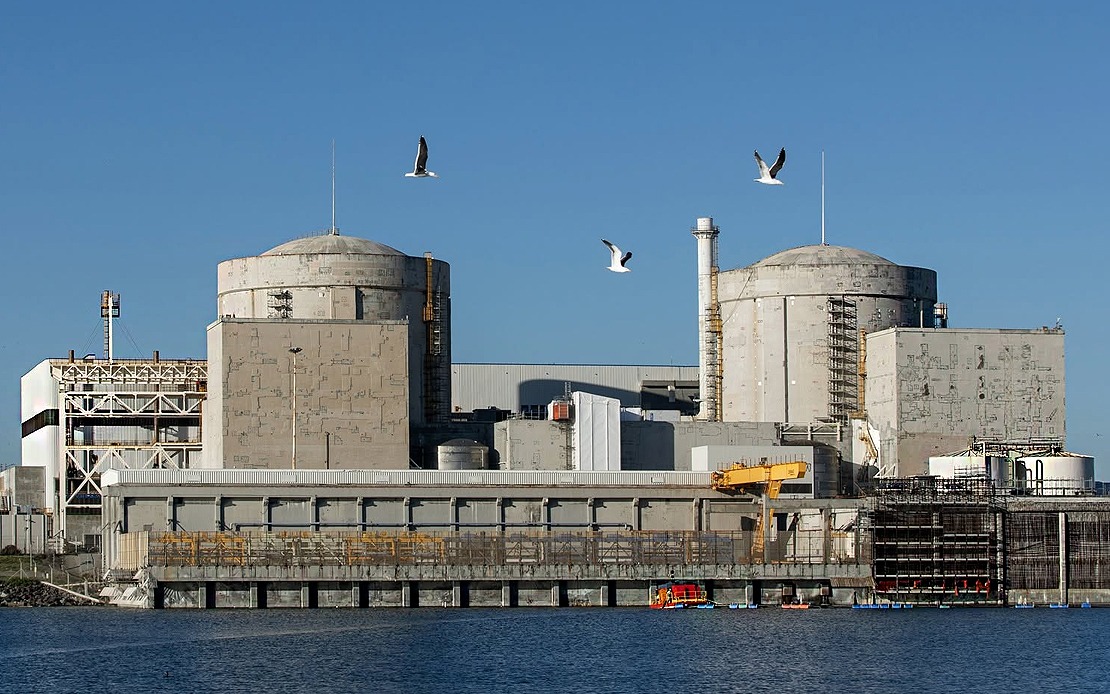
South Africa's Koeberg Nuclear Power Station, situated approximately 30 kilometres north of Cape Town, has experienced three separate radiation exposure incidents involving maintenance workers over a concentrated period in late June and early July, Energy Minister Kgosientsho Ramokgopa revealed during a media briefing on Sunday. The three occurrences took place on June 30 and again on July 2 and July 7, marking a significant series of events at the facility, though government officials have moved quickly to characterise the exposures as contained and manageable.
Minister Ramokgopa stressed that all incidents had been brought under control with no release of radioactive material into the surrounding environment. He further emphasised that residents in nearby communities faced no discernible danger from these occurrences, a reassurance intended to address potential public anxiety regarding nuclear facility safety. The minister's statement attempted to normalise the exposure levels by drawing a comparison that many would find reassuring: the radiation doses absorbed by affected workers were significantly lower than the exposure typically received during a standard dental X-ray examination, a common medical procedure undergone by millions annually.
Investigation into the root cause identified a temporary power interruption as the culprit behind the incidents. This electrical disruption compromised the facility's ventilation systems, the protective mechanisms designed to contain and manage airborne radioactive particles. The temporary loss of power represents a vulnerability in the plant's infrastructure, raising questions about redundancy and backup systems designed to maintain critical safety functions during power anomalies. Authorities did not elaborate on why ventilation systems were not restored more quickly or what safeguards exist to prevent similar incidents.
Velaphi Ntuli, who heads South Africa's nuclear safety division, downplayed the severity of the events by noting that none of the three incidents reached the threshold required for reporting as official nuclear safety events within the country's regulatory framework. This categorisation is significant because it suggests the incidents fell below severity benchmarks established by the regulator, though critics might question whether such thresholds adequately protect worker safety or reflect genuine risk levels. The official designation effectively minimises the incidents' profile within nuclear safety discourse.
Koeberg represents a critical infrastructure asset for South Africa's energy security, particularly given the nation's prolonged battle with electricity supply shortages and widespread rolling blackouts that have plagued the country for several years. The government views nuclear generation as a cornerstone of its strategy to diversify beyond coal dependency and establish a more resilient electricity network. Administrators recognise that South Africa cannot meet its energy demands indefinitely through coal-fired plants, nor can the nation afford to ignore nuclear generation as a low-carbon baseload power source.
The government's ambitious nuclear expansion programme envisions adding 5.2 gigawatts of new nuclear generating capacity by 2039, a significant undertaking that would substantially increase the nation's reliance on atomic energy. This expansion target remains contentious, with communities and environmental advocates expressing reservations about enlarging the nuclear footprint despite government arguments about climate benefits and energy reliability. The incidents at Koeberg are likely to fuel debate surrounding the safety and wisdom of nuclear expansion at a moment when public confidence is sensitive to operational irregularities.
South Africa's electricity generation infrastructure remains heavily anchored to coal resources, with fossil fuels continuing to dominate the energy mix despite global momentum toward decarbonisation. The government's long-term strategic objective articulates a vision of transitioning toward predominantly renewable and nuclear electricity production, targeting fossil fuel-free generation for the majority of electricity by 2050. This timeframe necessitates immediate action and sustained investment in alternative generation capacity, including nuclear facilities alongside wind, solar, and hydroelectric infrastructure.
The Koeberg incidents arrive at a precarious moment for South Africa's energy narrative. The country's utility company has implemented stage six rolling blackouts in recent months, undermining economic productivity, healthcare delivery, and residential quality of life. These chronic electricity shortages create political pressure to rapidly expand generation capacity through any available means, potentially compromising the deliberative processes typically applied to nuclear safety protocols. The tension between urgency and caution will likely intensify as policymakers navigate the expansion programme.
For Malaysia and other Southeast Asian nations evaluating nuclear energy options as climate solutions, South Africa's experience offers instructive lessons about the importance of robust safety culture, adequate maintenance protocols, and transparent incident management. The Koeberg incidents, while officially characterised as minor, underscore the technical complexity and operational vigilance required to maintain nuclear facilities safely. Even wealthy nations with established nuclear programmes experience unexpected challenges, and emerging nuclear programmes must invest substantially in training, oversight, and contingency planning to mitigate risks.
The government's decision to publicise these incidents rather than suppress information represents a positive step toward transparency, though the careful framing of severity and risk minimises their significance. Sustainable public confidence in nuclear expansion requires consistent, forthright communication about incidents, their causes, and corrective measures implemented. South Africa's nuclear regulator must demonstrate that systems exist to prevent recurrence and that worker safety remains paramount. The incidents at Koeberg will likely intensify scrutiny of the proposed expansion programme and may influence community acceptance of new nuclear facilities.

