South Africa has escalated its legal action at the International Court of Justice by submitting a detailed filing that challenges Israel's compliance with provisional measures the tribunal ordered in the ongoing genocide case initiated by Pretoria in late 2023. The submission, made under Article 11 of the ICJ's internal judicial practice resolution, represents a significant procedural step in what has become one of the most closely watched cases before the international bench.
In a statement released through its Department of International Relations and Cooperation, South Africa contended that the provisional measures handed down by the ICJ carry binding legal force, yet Israel has allegedly disregarded these directives. The filing underscores South Africa's position that the court's orders are not merely advisory in nature but constitute enforceable rulings that all states must respect. This distinction carries critical weight in international law, as it frames the dispute not merely as a disagreement over interpretation but as an alleged breach of legal obligation.
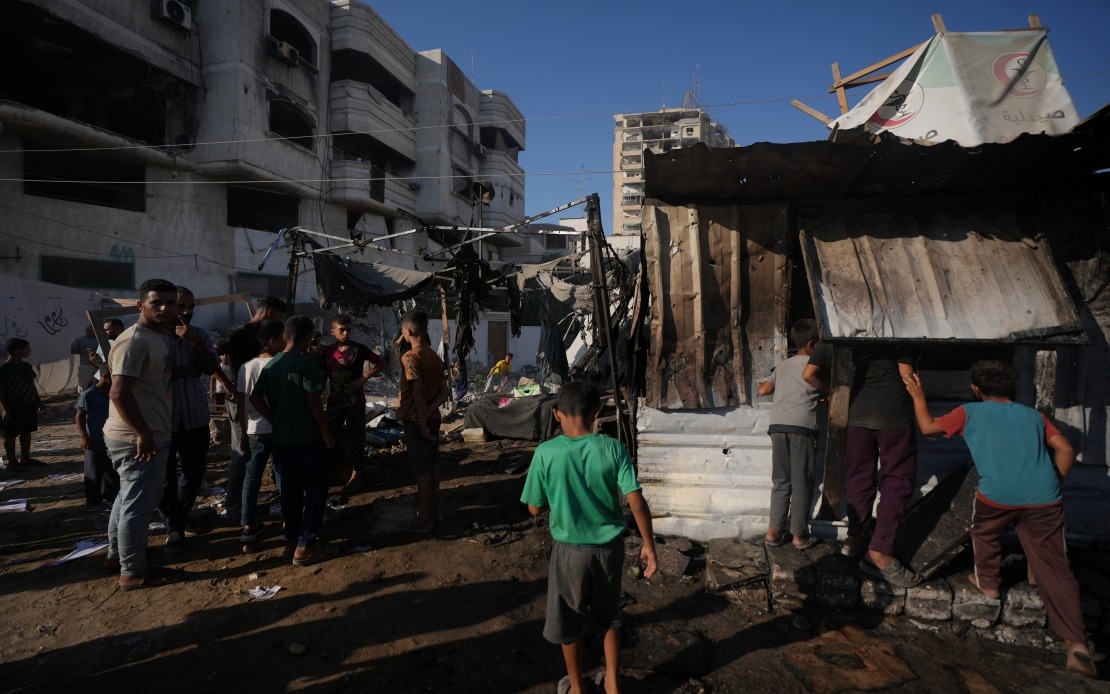
The core thrust of South Africa's argument centres on the humanitarian toll unfolding in Gaza. According to the government statement, Palestinians in the Gaza Strip continue to experience compounding trauma while enduring deteriorating living conditions in territories that have become progressively smaller. This framing emphasises the urgency of the case and positions compliance not as a technical legal matter but as essential to preventing ongoing harm to a vulnerable population.
The filing references alleged Israeli violations of a ceasefire that has technically remained in effect since October 10, 2025. During this period, South Africa claims that Israeli military operations have resulted in the deaths of more than 1,300 Palestinians, with an additional 4,330 individuals wounded. Beyond these figures, rescue operations have recovered hundreds of bodies from rubble, suggesting ongoing destruction of civilian infrastructure. These allegations, while disputed by Israel, form the factual foundation of South Africa's argument that provisional measures remain urgently necessary.
The provisional measures themselves, which the ICJ issued across three separate orders in January, March, and May 2024, were designed to compel Israel to undertake all necessary precautions to prevent actions that would constitute violations of the Genocide Convention. Rather than adjudicating the ultimate merits of whether genocide has occurred, these measures function as protective mechanisms intended to preserve the status quo and prevent irreparable harm pending the court's final determination. South Africa's new filing argues that these protective purposes have been undermined by what it characterises as systematic non-compliance.
The original case itself, filed on December 29, 2023, rests on allegations that Israeli actions violate the 1948 United Nations Convention on the Prevention and Punishment of the Crime of Genocide. South Africa's legal strategy has centred on establishing that specific intent to destroy, in whole or in part, a protected group exists, alongside demonstrating that the scale and nature of destructive acts constitute genocide under international law. The case has attracted significant attention across the African continent and throughout the developing world, which views it as a test of whether international law mechanisms can constrain powerful nations.
From a procedural standpoint, South Africa's new filing represents an attempt to maintain momentum within the case while drawing international attention to what the government views as contempt of court. By invoking Article 11 and formally documenting alleged non-compliance, South Africa is creating an official record that the ICJ cannot ignore and establishing grounds for potential enforcement measures or enhanced scrutiny of Israel's conduct. This tactical move also signals to domestic audiences and the broader Global South that South Africa intends to pursue all available legal remedies.
The implications for regional stability and international law merit careful consideration. Southeast Asian nations, many of which maintain complex diplomatic relationships with both Israel and Palestinian authorities, will be monitoring how the ICJ responds to allegations of non-compliance. The case touches on fundamental questions about whether international courts possess meaningful enforcement mechanisms when powerful states resist their orders, or whether the ICJ functions primarily as a forum for articulating legal principles without reliable means of implementation.
According to figures from the Palestinian Health Ministry, the broader conflict that commenced on October 7, 2023, has resulted in approximately 73,438 Palestinian deaths and 174,447 wounded. These statistics, while disputed by Israeli authorities who contest casualty figures and methodologies, represent the humanitarian context within which the legal proceedings unfold. The scale of these numbers underscores why South Africa frames the provisional measures as essential safeguards rather than peripheral procedural matters.
The case also reflects broader geopolitical currents reshaping international relations. South Africa's willingness to pursue this action despite potential diplomatic costs demonstrates how certain nations view judicial mechanisms as vehicles for advancing justice claims that might otherwise lack political remedy. For Malaysian policymakers and observers, the unfolding case presents a lens through which to examine how developing nations navigate international law institutions and assert positions on conflicts involving major powers.
Looking forward, South Africa has pledged to deploy all available mechanisms to compel Israel's full and immediate compliance with the ICJ's orders. Whether the court will issue additional rulings, impose penalties, or implement enforcement measures remains uncertain. The case represents a crucial juncture in testing whether international law possesses teeth or remains fundamentally constrained by the structural realities of state power and the reluctance of major nations to submit to external constraint.

