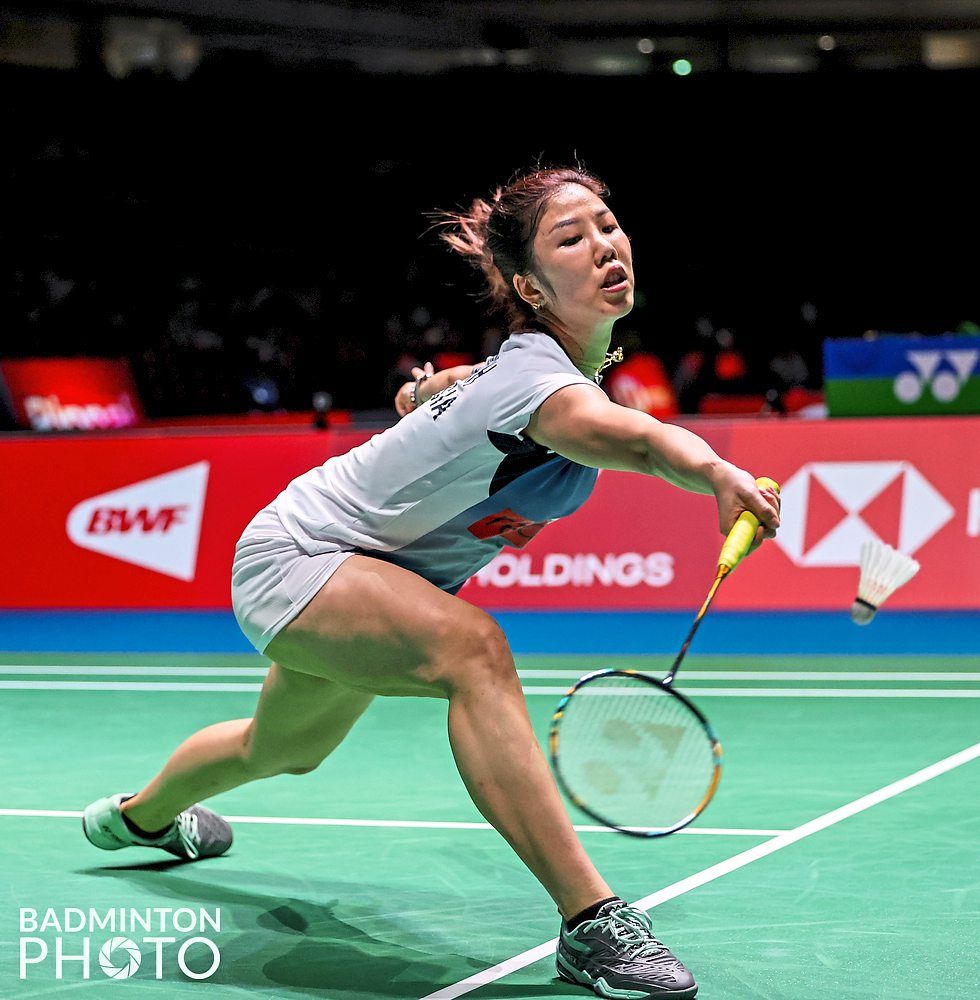
A brief chapter in the Kuala Lumpur Badminton Association's recent history has drawn to an unexpected close with the resignation of sports director Soniia Cheah, who served in the role for merely four months before stepping down effective Wednesday. The decision marks a surprising departure for the former national women's singles shuttler, who had taken up the position with considerable expectations in a sport where her credentials as a former top-ranked player carry substantial weight in local badminton circles.
Cheah, aged 33, initially accepted the one-year contract position in February, arriving with the backing of her extensive background in Malaysian badminton. Despite the brevity of her tenure, she made a formal contribution to the association's competitive calendar, overseeing the Kuala Lumpur squad through the Affin 100Plus Junior Elite Tour Finals held last week at Stadium Juara in Bukit Kiara. This event represented her final assignment before her departure, suggesting that her exit was neither hastily decided nor coincidental to a specific incident.
While Cheah has declined to publicly elaborate on the specific circumstances triggering her resignation, her statement reveals a principled stance on governance and organisational culture within the KLBA. She indicated that her decision stemmed from her conviction that certain matters within the association were fundamentally misaligned with the values she holds as a former national-level athlete. This framing is significant—it suggests not personal conflict with individuals, but rather systemic or procedural concerns that she felt compromised her ability to perform her duties with integrity.
In her statement to the media, Cheah emphasised that her departure was not directed at any particular person or administrator within the association. Instead, she positioned her resignation as a reflection of her personal convictions regarding unspecified issues she believes warrant institutional attention and remedial action. This measured language reflects her awareness of the sensitive nature of departing an association mid-contract, yet her willingness to resign on principle indicates the seriousness with which she viewed the concerns.
Cheah's framing of her exit centres on her deeper commitment to the sport's development and the welfare of emerging athletes. She expressed sincere hope that her resignation would catalyse a period of reflection within the KLBA, prompting leadership to address the underlying issues and redirect organisational focus toward safeguarding the interests of junior players. This appeal suggests that whatever principles she believes were being compromised, they likely relate to governance transparency, player welfare standards, or coaching integrity—matters that directly impact the development pathway for young talents.
The timing of Cheah's departure carries implications for Malaysian badminton's grassroots development structure. The KLBA, as the primary competitive body for badminton in the capital, plays a crucial role in identifying and nurturing emerging talent destined for national representation. Leadership instability at the sports director level can disrupt competitive programming, coaching consistency, and the strategic planning required to maintain competitive standards among junior players facing regional competition.
Cheah's credentials as a former national player and Olympic representative at Tokyo provide her with genuine authority to speak on matters of principle within Malaysian badminton governance. She achieved the distinction of being Malaysia's top-ranked women's singles shuttler at her competitive peak, and her participation in the Olympics placed her among the nation's elite athletes. Her retirement in 2022 following a prolonged battle with Achilles tendon complications was a significant loss to the national program, but her transition into administrative roles was viewed as an opportunity to channel her expertise into developing the next generation.
The circumstances surrounding Cheah's brief tenure also raise broader questions about governance standards and administrative culture within Malaysian sports associations. The rapid turnover of experienced personnel in leadership roles can indicate underlying structural problems that merit public scrutiny. For aspiring young badminton players and their families in the Kuala Lumpur region, such instability may create uncertainty regarding the consistency and quality of developmental programs available to them.
Despite her abbreviated time in the position, Cheah made a point of acknowledging the players she worked with during her tenure, expressing genuine gratitude for her interactions with the squad. This professional courtesy suggests that her departure, while principled, was not acrimonious in personal terms. The distinction between her principled disagreement with institutional practices and her appreciation for the athletes themselves indicates her understanding that young competitors should not bear the consequences of administrative disputes.
The broader sporting landscape in Malaysia has witnessed several instances of experienced personnel departing from administrative positions on principle, reflecting occasional tensions between competitive ideals and operational realities within sports governance. Cheah's case adds to this pattern, highlighting the complex challenges faced by individuals attempting to maintain integrity and standards within systems where competing priorities or resource constraints may challenge those objectives.
Moving forward, the KLBA faces the task of recruiting a new sports director while addressing whatever concerns prompted Cheah's departure. Her public appeal for institutional reflection suggests that credible resolution of these matters will be necessary to restore confidence in the association's leadership and direction. The association will also need to ensure continuity in its junior competitive programming and maintain the momentum of player development that Cheah had commenced during her brief tenure.
For Malaysian badminton observers, Cheah's resignation underscores the importance of robust governance frameworks within sports associations and the significance of prioritising athlete welfare and developmental integrity above other considerations. As the sport continues to develop younger talent for future national representation, the decisions made by leadership figures like Cheah regarding institutional accountability may ultimately influence Malaysia's competitive position in regional and international badminton over the coming years.

