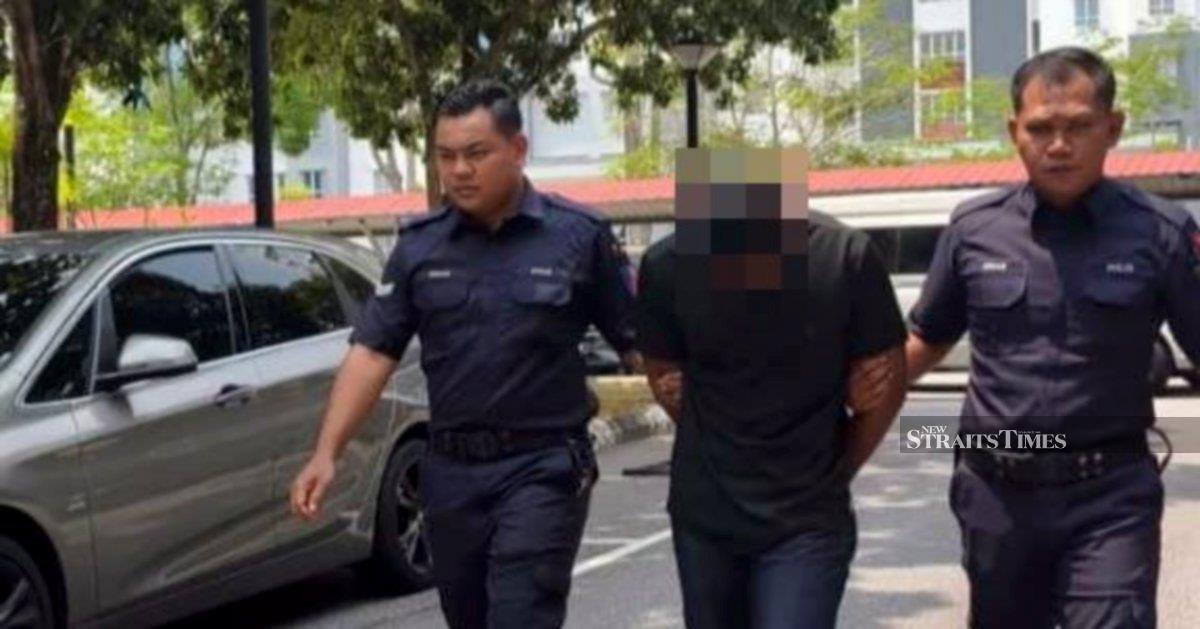
A soldier is being held for questioning after a firearm discharged at a training facility near Hutan Menyala in Port Dickson, resulting in injuries to a fellow serviceman. The accused was remanded for three days by authorities in Seremban as investigations into the incident continue. The shooting, which occurred during what authorities have characterized as an accident, has raised questions about safety protocols at military training ranges in the state.
The incident highlights ongoing concerns within Malaysia's armed forces regarding weapons handling procedures and range safety standards. Port Dickson, a coastal town in Negeri Sembilan, hosts several military installations and training facilities used by different service branches. Shooting ranges form a critical component of military readiness programmes, yet they remain high-risk environments where momentary lapses can result in serious consequences. The accident underscores the constant tension between maintaining realistic training conditions and implementing comprehensive safeguards.
Details surrounding the exact circumstances of the discharge remain under police investigation. The injured soldier's condition and the severity of injuries have not been publicly disclosed, though the incident was serious enough to warrant a remand order from magistrates in Seremban. Such procedures are standard practice in Malaysia when firearms are involved in incidents resulting in injury, as authorities must determine whether negligence, recklessness, or other culpable factors played a role.
Military authorities typically investigate firearm-related incidents through parallel channels, examining both criminal liability and internal disciplinary matters. The three-day remand period allows investigators to gather witness statements, examine the weapon involved, review range maintenance records, and reconstruct the sequence of events leading to the discharge. These investigations often determine whether procedural violations or equipment failures contributed to the accident.
Accidental shooting incidents at military facilities, while uncommon, occur periodically across Southeast Asia and generate significant scrutiny. Each such occurrence prompts review of existing safety cultures and whether training emphasizes sufficient repetition of core firearms handling principles. In Malaysia's military context, where professional standards are generally maintained, accidents tend to spark internal reviews and occasionally lead to revised protocols or enhanced supervision measures at affected facilities.
The remand decision suggests authorities believe detention is necessary to complete their inquiries or prevent potential interference with investigations. Malaysian courts balance public safety concerns with rights of the accused when making such determinations. The three-day period is relatively brief, indicating investigators likely have a clear investigative pathway and anticipate concluding preliminary examination within that timeframe.
For the broader Malaysian military community, such incidents carry implications beyond the immediate case. Military leadership frequently uses accidents as opportunities to reinforce training standards across units, ensuring that lessons learned in one location inform practices elsewhere. The incident may prompt a review of supervision ratios at shooting ranges or additional emphasis on specific safety protocols during training cycles.
Port Dickson's military presence is significant within Malaysia's defence infrastructure, hosting both training facilities and operational units. The town's coastal location and established infrastructure have made it a natural hub for certain military functions. Any disruption or incident at these facilities receives attention from defence officials concerned with maintaining operational readiness and institutional credibility.
The investigation will likely examine whether the soldier involved had completed all required safety certifications and whether range safety officers were positioned appropriately when the discharge occurred. Standard military protocols typically mandate that designated range supervisors oversee all shooting activities and that participants undergo briefings before commencing range work. Deviation from established procedures often forms the basis for negligence determinations in such cases.
Once the three-day remand concludes, authorities must decide whether to extend detention, release the soldier pending further action, or proceed with formal charges. The decision will depend on whether investigators believe sufficient evidence exists to support criminal charges. Options may include charges under firearms legislation or general injury statutes, depending on how authorities characterize the soldier's conduct and state of mind during the incident.
The injured soldier's recovery and return to duty status remain uncertain pending investigation completion. Military medical facilities typically manage servicemembers injured in such circumstances, with rehabilitation timelines varying based on injury severity. The incident may affect the soldier's continued service depending on injury permanence and the investigating soldier's eventual legal disposition.
Local authorities and military command will likely issue statements once investigations progress sufficiently, addressing public concerns and reinforcing commitment to safety standards. Such incidents, while serious, provide concrete opportunities for military institutions to demonstrate responsiveness to safety imperatives and willingness to implement corrective measures based on accident analysis.

