Parliament has received the Social Work Profession Bill 2026, marking a defining moment for Malaysia's social work sector and the thousands of professionals who have long advocated for formal statutory recognition. The Malaysian Association of Social Workers (MASW) has characterised the legislation as a watershed achievement that will elevate the profession's standing and provide the legal framework needed to protect vulnerable populations across the nation. The move comes after more than a decade of concerted effort to develop comprehensive legislation that addresses the profession's distinctive needs and safeguards the Malaysian public.
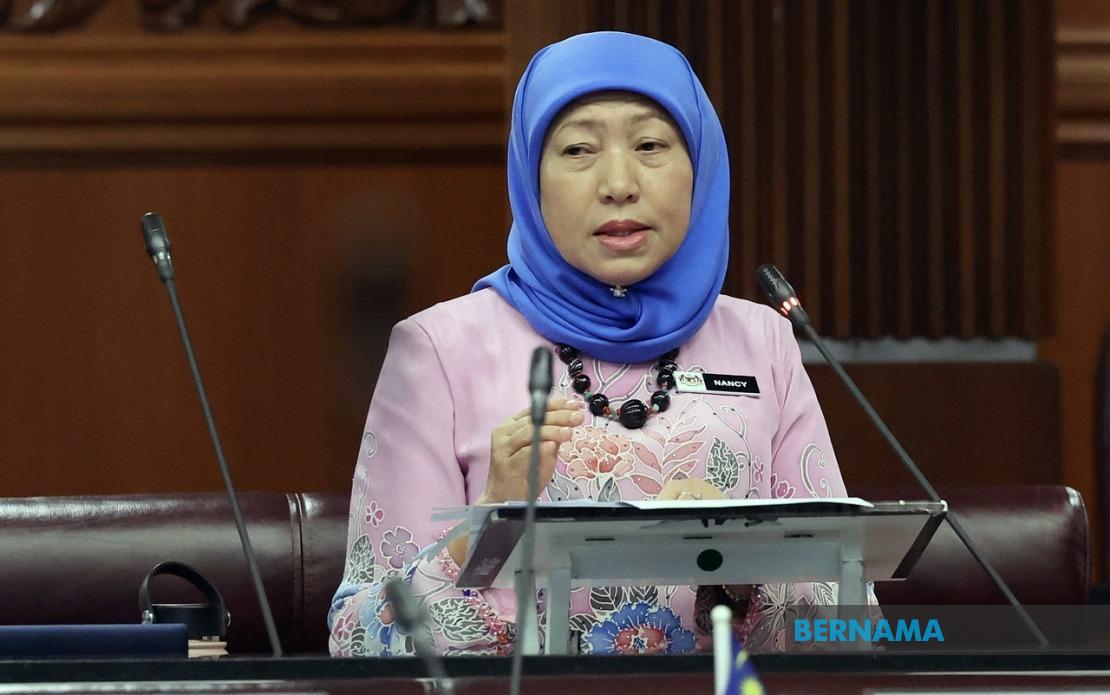
Women, Family and Community Development Minister Datuk Seri Nancy Shukri has championed the bill's progression through the legislative process, and MASW has acknowledged her ministry's resolute backing throughout the development phase. This political commitment reflects growing recognition at the highest levels of government that social work represents a critical component of Malaysia's broader social protection architecture. The bill's arrival in Parliament signals that the government is prepared to move beyond symbolic support and establish concrete legal structures that will formalise practitioners' qualifications, ethical standards, and professional responsibilities.
For social workers themselves, the legislation represents vindication of their sustained professional advocacy. Dr Teoh Ai Hua, MASW's president, underscored that the bill validates what practitioners have long understood: that Malaysia's citizens deserve protection and support from a competent, ethically grounded workforce with recognised credentials. This formal acknowledgment carries profound implications for how social workers will be perceived within the broader healthcare, justice, and welfare ecosystems. Rather than operating as unregulated professionals, social workers will function within a standardised framework that clarifies their scope of practice and accountability mechanisms.
The bill's foundation rests on more than a decade of deliberative work involving multiple stakeholder groups. Since 2010, MASW leaders, academic educators, and practitioners from both government and non-governmental organisations have collaborated with technical committees and specialised project teams to craft legislation that genuinely reflects the profession's operational realities and the public's legitimate interests. This extended development period has allowed for consultation across diverse sectors, ensuring that the final bill represents consensus rather than narrow institutional preferences. The consultation process has also created expectations among practitioners and academics that their voices have shaped the legislation's content.
International standards and best practices have substantially influenced the bill's architecture. Malaysia is aligning itself with the Ha Noi Declaration on Strengthening Social Work towards a Cohesive and Responsive ASEAN Community, adopted in 2020, which emphasises social work's role in regional development and community resilience. Equally significant is the bill's incorporation of the Global Standards for Social Work Education and Training (2020), developed jointly by the International Association of Schools of Social Work (IASSW) and the International Federation of Social Workers (IFSW). These international benchmarks ensure that Malaysian social workers will meet globally recognised competency standards, facilitating professional mobility and enhancing the credibility of the workforce across borders.
The alignment with ASEAN-level declarations carries specific weight for Malaysia's regional positioning. Southeast Asia faces escalating challenges around urbanisation, family fragmentation, and vulnerability to economic and health shocks. Social work professionals equipped with internationally validated skills and credentials can contribute more effectively to addressing these pressures. The legislation therefore positions Malaysia as a serious actor in regional social development efforts, potentially establishing the nation as a hub for social work expertise within ASEAN.
Practical implementation will determine whether the bill fulfils its transformative promise. MASW vice-president Dr Mohd Iqbal Haqim Mohd Nor has framed the bill's tabling as converting years of professional hopes into tangible legislative reality, envisaging a future in which social work achieves full professional regulation and social recognition. However, the transition from legislative enactment to operational effectiveness depends on several downstream factors. Parliament must deliberate constructively on the bill's provisions, and subsequent implementation will require adequate budgetary allocation, transparent governance structures, and genuine coordination among government agencies and civil society organisations.
AMSW honorary secretary Amy Bala has appealed to Members of Parliament to engage substantively with the bill during its parliamentary journey, signalling that the professional association views this legislative phase as an opportunity to refine and strengthen the proposed framework. This appeal suggests potential concerns about specific provisions that may merit amendment or clarification. The call for constructive deliberation reflects confidence that lawmakers will approach the bill seriously rather than rubber-stamping it, and it implicitly acknowledges that some technical or policy elements may benefit from parliamentary scrutiny and possible modification before final passage.
The resource implications of professionalisation deserve particular attention. Once the bill becomes law, regulatory bodies will need to be established to manage practitioner registration, enforce ethical standards, investigate complaints, and maintain professional development requirements. Universities and training institutes will need to ensure their curricula align with the new standards. Government agencies employing social workers will need to adjust classification systems, compensation structures, and career progression pathways. These structural adjustments require sustained financial and administrative commitment from multiple government departments. The bill's success therefore hinges on whether the government is prepared to invest the necessary resources beyond the symbolic passage of legislation.
For Malaysia's broader social protection system, formalising and professionalising social work carries systemic benefits. Social workers operate at the intersection of multiple policy domains including child protection, poverty alleviation, mental health support, disability services, and family welfare. A regulated, competent workforce can improve coordination across these sectors and enhance the effectiveness of targeted interventions. The bill may also facilitate better data collection regarding social needs and service gaps, enabling more evidence-based policymaking. Furthermore, professional recognition may attract more talented individuals to the field, creating a virtuous cycle of improved practice and public trust.
The path from parliamentary passage to genuine professionalisation will unfold over several years. The bill represents necessary but not sufficient progress. Stakeholders including MASW, government agencies, educational institutions, and civil society organisations will need to remain engaged throughout implementation. International benchmarking will be important, requiring Malaysian social workers and educators to maintain connections with IASSW, IFSW, and regional networks. The bill's legacy will ultimately depend not on its legislative achievement but on whether it catalyses genuine improvements in how Malaysia supports and protects its most vulnerable populations through a strengthened, recognised, and resourced social work profession.

