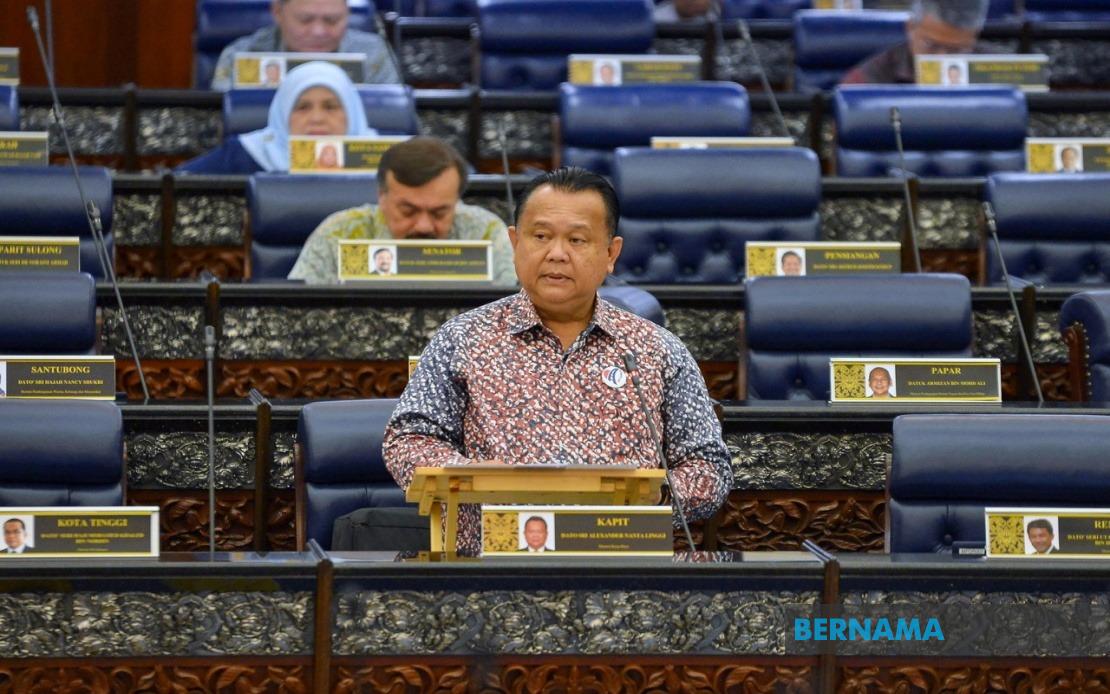
The Smart Lane initiative operating on designated sections of the North-South Expressway has delivered substantial congestion relief, cutting traffic delays by between 30 and 50 per cent since its introduction in 2023, according to Works Minister Datuk Seri Alexander Nanta Linggi. Speaking during parliamentary question time, he highlighted the programme's effectiveness in managing vehicle flow during peak travel periods and major holiday seasons, while emphasising that rigorous safety protocols remain embedded in the system to protect all road users, particularly motorcyclists who share the dynamic lanes.
Data compiled by the Malaysian Highway Authority (LLM) over the past eighteen months demonstrates measurable traffic improvements on affected PLUS corridors. The congestion reduction figures represent a meaningful breakthrough for a nation grappling with chronic expressway bottlenecks, particularly on the heavily-trafficked North-South route that forms a critical economic artery linking major population centres. For commuters and freight operators regularly navigating these stretches, the Smart Lane deployment addresses a persistent pain point that has long hampered business efficiency and quality of life across the peninsula.
The initiative responds to longstanding concerns about highway safety, particularly for vulnerable road users. During parliamentary debate, Zakri Hassan from Kangar raised specific questions about the safety and comfort implications for two-wheel riders using Smart Lane facilities. The minister's response acknowledged this concern directly, presenting accident data that he argues demonstrates the system's safety credentials. Between January and May this year, only 36 collisions occurred across 12 Smart Lane locations on weekdays, a relatively modest figure given the volume of traffic these sections handle daily.
A notable finding from the performance data shows that motorcyclists involved in fewer accidents on Smart Lane sections compared to conventional highway routes operating in the vicinity. The explanation appears counterintuitive at first: riders adopting greater caution when navigating shared dynamic lanes tend to exercise more defensive riding techniques. This behavioral adjustment, though requiring driver education and adaptation, appears to generate measurable safety dividends that extend beyond the motorcycle-riding community.
However, accident investigation has identified human factors as the predominant cause of collisions within Smart Lane zones. Detailed analysis reveals that most incidents stem from driver non-compliance with explicit safety protocols, rather than inherent design flaws or equipment failures. Specific problem behaviors include misuse of emergency lanes at unauthorised points, abrupt and dangerous lane-switching manoeuvres, and inappropriate vehicle stopping on the expressway. Addressing these behavioural issues requires ongoing public education campaigns and strict enforcement rather than infrastructure redesign.
To strengthen oversight, the Malaysian Highway Authority has mandated independent road safety audits conducted by external specialists every five years. These comprehensive stage 5 audits examine operational safety from multiple perspectives, extending well beyond motorcyclist considerations to encompass the entire spectrum of road user categories and incident scenarios. Audit findings generate actionable improvement recommendations that concessionaires must implement within specified timeframes. This structured approach embeds continuous improvement into the Smart Lane operating model rather than treating safety as a static issue resolved at launch.
Technological advancement represents another dimension of the safety and efficiency enhancement strategy. The expressway operator and LLM are progressively deploying closed-circuit television cameras integrated with artificial intelligence capabilities across Smart Lane installations. These AI-enabled surveillance systems detect traffic density patterns in real time, enabling traffic management centres to optimise lane allocation dynamically based on actual demand rather than fixed schedules. Real-time adjustments to lane configuration respond to accident scenes, weather disruptions, or unexpected congestion spikes, creating a more responsive and agile traffic management system.
For Malaysian businesses relying on road transport, particularly those operating supply chains spanning the peninsula, the Smart Lane programme carries significant economic implications. Reduced travel times on the North-South Expressway lower logistics costs, improve delivery reliability, and reduce fuel consumption—factors that compound across the thousands of vehicles using this route daily. Manufacturing firms with facilities distributed between northern and southern regions benefit from more predictable transit times, facilitating just-in-time inventory management and reducing working capital tied up in transit inventory.
The Smart Lane model also carries broader regional relevance for Southeast Asia's highway infrastructure challenges. Nations like Thailand, Indonesia, and Vietnam grapple with similar congestion pressures on major expressway corridors, particularly as urbanisation and motorisation accelerate. Malaysia's documented experience with dynamic lane allocation offers a potentially replicable framework for neighbours considering similar innovations. The detailed accident data and congestion reduction figures now entering the public domain contribute valuable evidence for regional transport policy discussions.
Looking forward, successful expansion of Smart Lane technology depends on maintaining the balance between ambitious efficiency gains and rigorous safety management. The programme's demonstrated results suggest that well-designed, properly-monitored dynamic lane systems can deliver meaningful congestion relief without compromising road safety. However, this success requires sustained investment in monitoring infrastructure, regular independent audits, and continuous public communication about proper usage protocols. As Malaysia considers further Smart Lane deployments on other expressway sections, the North-South Expressway experience provides a practical blueprint for implementation while highlighting the essential role of human behaviour management in technological transport solutions.

